If you’ve ever scheduled a pest service and wondered what is included in pest control, you’re not alone. A lot of homeowners and property managers hear the term “pest control” and picture a quick spray around the base of the house. Sometimes that is part of it, but a good service is usually much more thorough than that.
What you actually get depends on the pest problem, the season, the property, and whether you need a one-time treatment or ongoing protection. In Utah, that matters even more because pest pressure shifts throughout the year. Spiders show up in one season, wasps in another, rodents when temperatures change, and lawn or garden pests when outdoor conditions are right.
What is included in pest control for most properties?
At its core, pest control usually includes inspection, treatment, and prevention. The goal is not just to knock down the pests you can see today. It is to make the property less inviting so the same problem does not keep coming back next month.
A professional visit often starts with a walkthrough of the home or building and the surrounding exterior. The technician looks for active pest activity, likely hiding spots, moisture issues, entry points, nesting areas, and conditions that attract insects or rodents. This part matters because the right treatment depends on what is actually happening on the property, not just on what was spotted once in the kitchen or garage.
After that comes the treatment itself. Depending on the issue, that may include exterior barrier applications, targeted indoor treatments, bait stations, dust applications in cracks and voids, web removal, wasp nest treatment, rodent baiting or trapping, or treatment in lawn and landscape areas where pests are breeding or feeding. The best service is targeted. It should fit the pest and the property, not be a one-size-fits-all routine.
The final part is prevention. That can include recommendations for sealing gaps, reducing standing water, trimming back plants touching the home, improving sanitation, or adjusting lawn and yard conditions that contribute to infestations. In many cases, ongoing service plans also include follow-up visits, monitoring, and free re-treatments between scheduled visits if pest activity returns.
The inspection is a bigger part of pest control than people think
One of the biggest differences between basic spray service and real pest management is the inspection. A solid inspection helps answer questions that matter to the customer. Where are the pests coming from? Why are they showing up now? Is this a small nuisance issue or the start of something larger?
For a Utah home, an inspection may include the foundation line, window wells, eaves, door thresholds, garages, utility penetrations, crawl spaces, basements, sheds, fence lines, and landscaping close to the structure. If rodents are a concern, attics, storage spaces, and exterior burrow areas may also be checked. If mosquitoes are the issue, the focus shifts toward shaded areas, standing water sources, and dense vegetation.
This is also where a good technician separates occasional invaders from ongoing infestations. A couple of ants near a door after weather changes is different from a colony that has settled into a wall void. A spider or two in the garage is different from heavy web buildup around the exterior. The treatment plan should reflect that difference.
What treatments are commonly included?
The actual treatments depend on the pest, but most professional pest control services include some mix of exterior defense and targeted interior work.
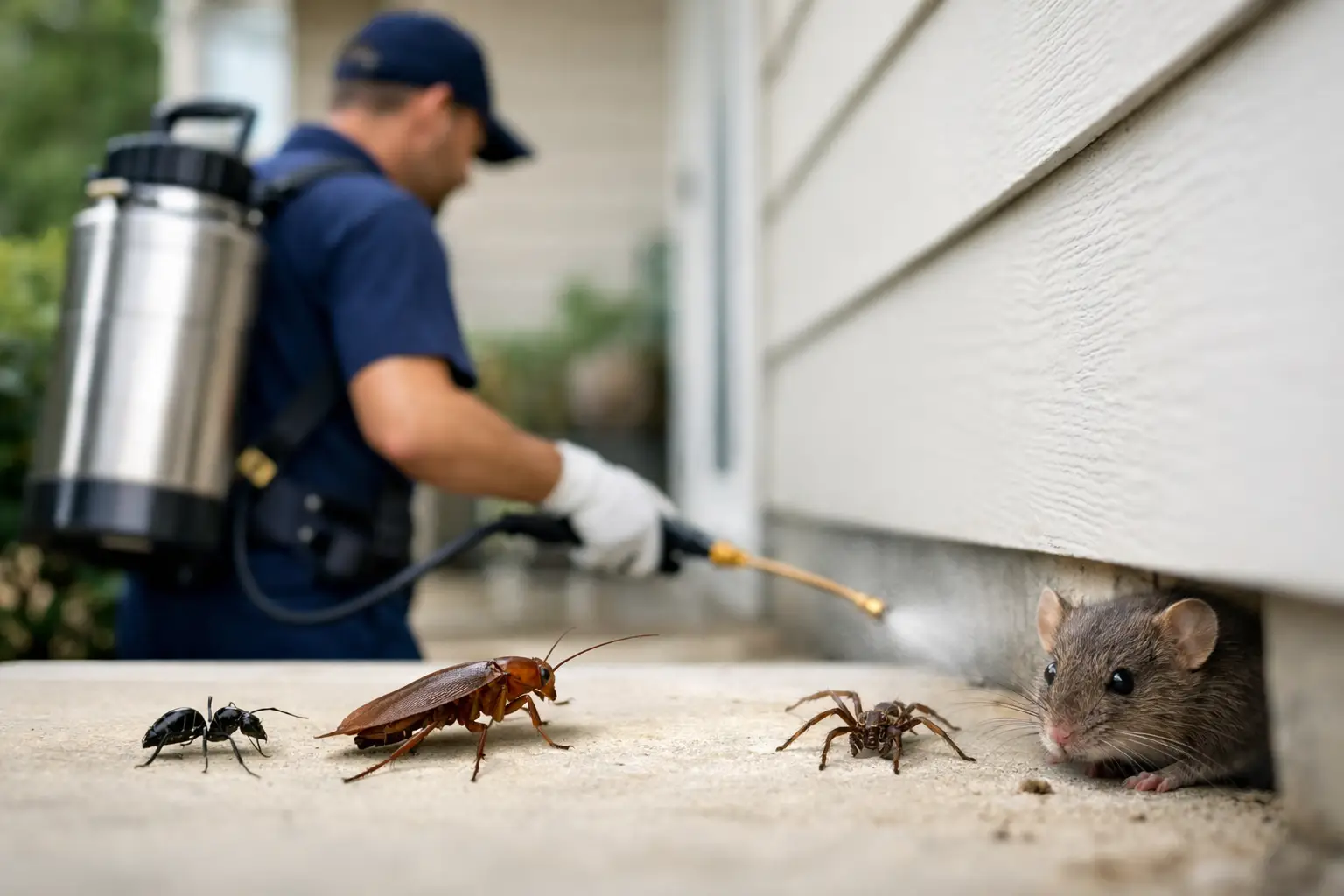
Exterior treatment is often the backbone of regular service. That may involve treating around the foundation, doors, windows, garage edges, under eaves, and other common access points where pests enter. For homes dealing with spiders, ants, earwigs, pill bugs, silverfish, wasps, or similar nuisance pests, exterior service can do a lot of the heavy lifting before bugs ever make it inside.
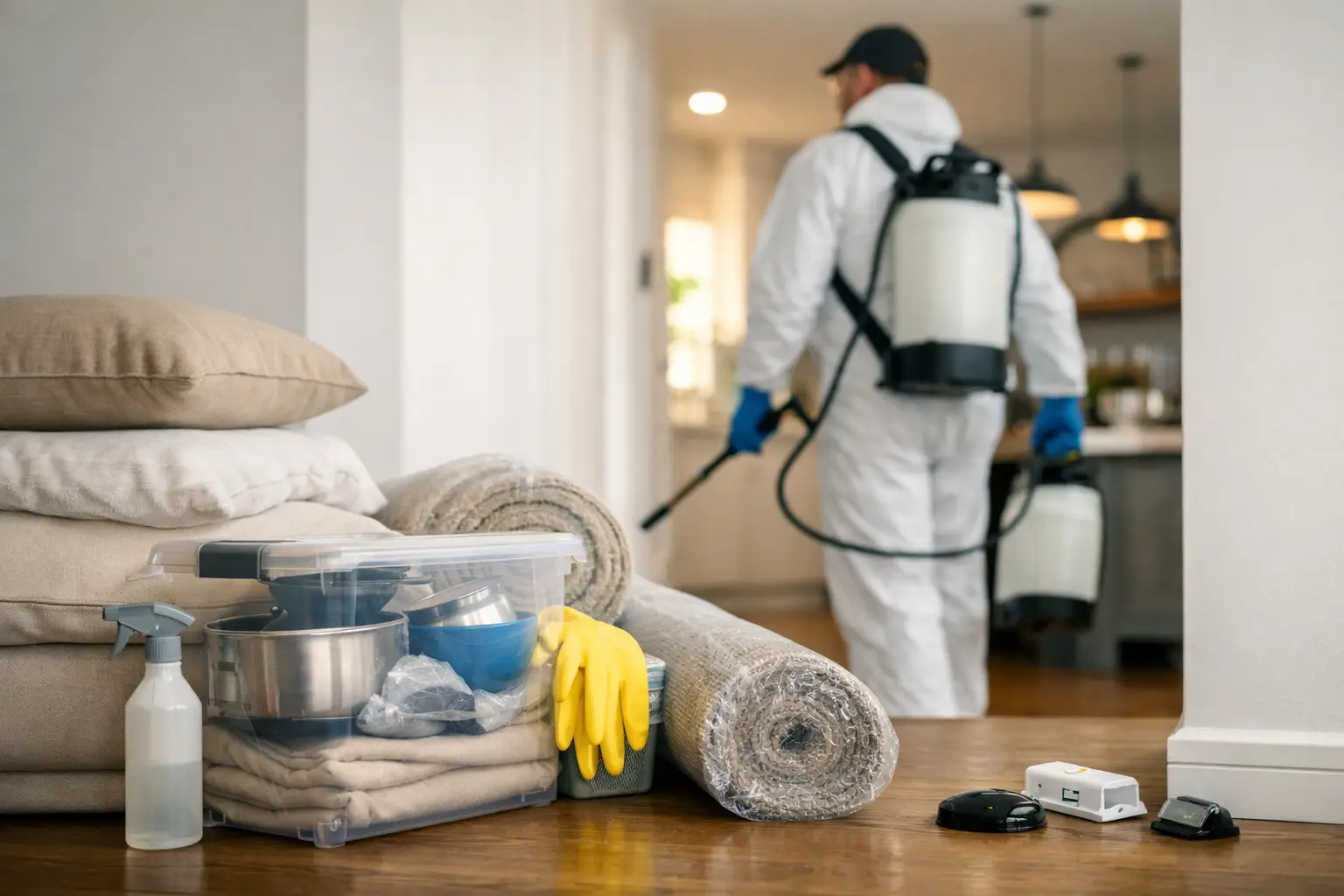
Interior treatment is usually more selective. In many cases, technicians focus on trouble spots such as baseboards in active areas, under sinks, utility rooms, garages, or attic access points rather than treating every room heavily. For families with kids and pets, that targeted approach often feels more comfortable and practical.
Some pest issues call for specialty methods. Rodent control may include bait stations, traps, monitoring, and recommendations for closing entry points. Wasps and hornets may require direct nest treatment and removal planning. Fleas, ticks, or bed bug issues need a different level of detail than a routine perimeter service. Lawn pests such as grubs may be handled as part of an outdoor property care plan rather than a standard house treatment.
What is included in pest control plans versus one-time service?
This is where expectations can get crossed if nobody explains the difference clearly. A one-time service is usually designed to address a current problem. It can be helpful for a specific outbreak, but it may not provide the same level of long-term protection as a recurring plan.
An ongoing pest control plan usually includes scheduled visits throughout the year, seasonal adjustments in treatment, monitoring for new pest activity, and retreatments if needed. That works well in areas where pest issues are cyclical, which is common across Utah neighborhoods and commercial properties. It is easier to stay ahead of ants, spiders, wasps, rodents, and seasonal invaders than to wait until they build up again.
Recurring plans also tend to cover more than just one pest. Instead of paying separately every time a new issue appears, customers often get broader protection built into the service agreement. That can be a better fit for busy families and property managers who want predictable care and fewer surprise problems.
Outdoor conditions are often part of the problem
One thing people do not always realize is that pest control often extends beyond the walls of the building. Bugs and rodents do not respect property lines, and many infestations start in the yard before they move closer to the house.
That is why landscaping, weed growth, lawn health, and moisture management can play such a big role. Thick weeds, overgrown shrubs, heavy ground cover, standing water, and neglected lawn areas can create shelter and breeding conditions for pests. If those conditions stay the same, indoor treatments may help for a while but not fully solve the source of the problem.
This is where working with a provider who understands both pest activity and exterior property care can make life easier. If the same team can help manage weeds, grub issues, mosquito pressure, and pest-prone landscape conditions, the results are usually more complete. It is simply easier to prevent problems when the yard and the home are being looked at together.
What pest control usually does not include automatically
Not every service covers every pest. That is normal, and it is one reason asking questions up front matters.
For example, general pest control plans often cover common crawling insects and exterior invaders, but they may not automatically include termites, bed bugs, wildlife removal, or advanced exclusion work. Mosquito control is sometimes a separate seasonal add-on. Rodent service may be included at one level but not for major infestation cleanup or attic restoration.
The same goes for repairs. Pest control companies can identify entry points and recommend sealing, but structural fixes such as replacing weather stripping, repairing vents, or patching siding may be billed separately or handled by another contractor. The important thing is transparency. A trustworthy provider should explain what is covered, what is extra, and what will give you the best result for your property.
For Utah homes, local knowledge changes the service
Pest control in Utah is not exactly the same as pest control somewhere humid or tropical. Here, the mix of dry climate, seasonal swings, suburban growth, and irrigated lawns creates its own set of pest patterns. Spiders, ants, wasps, voles, gophers, mice, silverfish, scorpions in some areas, and mosquitoes around active yards all require a local approach.
That means what is included in pest control should reflect local conditions, not a canned national script. A neighborhood technician who has seen the same pest patterns across Salt Lake County, Davis County, Tooele County, or St. George is going to notice things a generic checklist can miss. They know where rodents tend to push in when the weather turns, which outdoor conditions invite spiders and ants, and why lawn health and pest prevention often overlap.
For many customers, that local experience is just as valuable as the treatment itself. It means quicker answers, more practical recommendations, and service that feels tailored instead of rushed.
What to ask before you book
Before scheduling service, it helps to ask what pests are covered, whether follow-up visits are included, how interior and exterior treatments are handled, and what happens if pests return between appointments. You should also ask whether the products and methods are chosen with children, pets, and outdoor living spaces in mind.
A good company will not dodge those questions. They should be able to explain the plan in plain English, give you a realistic picture of what to expect, and tell you where results may take time. Some issues improve fast. Others, especially rodents or seasonal infestations, may take more than one visit and a few property changes to fully get under control.
At Weed and Pest Control Specialist, that practical, hands-on approach is a big part of the job. Customers want more than a treatment. They want to know someone is actually paying attention to their home, their yard, and the way pests behave in their part of Utah.
The best pest control service should leave you with fewer pests, fewer surprises, and a clearer plan for keeping your property comfortable season after season.