You usually notice pest problems after the pests have already settled in. A trail of ants by the sink, spider webs in the basement, scratching in the walls, or wasps setting up under the eaves all feel sudden, but the activity often started days or weeks earlier. That is why homeowners often ask, how does home pest control work, and what is actually happening when a professional comes out to treat a house?
The short answer is that good pest control is not just spraying and leaving. It is a step-by-step process that starts with finding out what is attracting pests, where they are nesting, how they are getting in, and which treatment will solve the problem without creating unnecessary risk for your family, pets, lawn, or garden. The best service combines treatment with prevention, because killing the pests you see is only part of the job.
How does home pest control work in real life?
In real life, home pest control works by interrupting the conditions pests need to survive. That usually means food, water, shelter, and access. If those four things are available, pests tend to stick around. If a treatment plan removes or limits them, activity drops fast and stays under control longer.
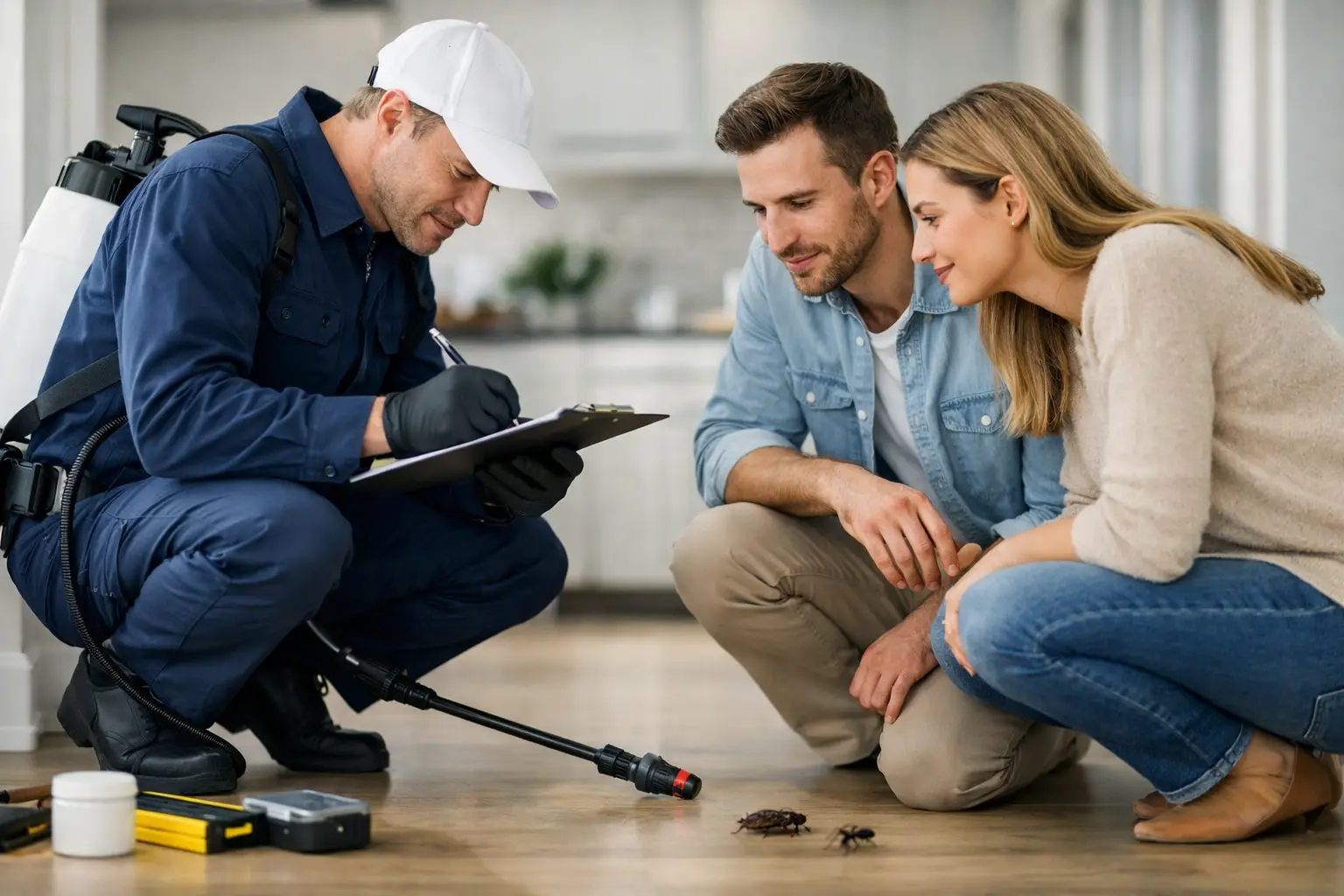
A professional visit usually starts with inspection. This is where experience matters. Different pests leave different clues, and in Utah, the likely culprit changes with the season and the property. Spiders may be feeding on other insects around the exterior. Ants may be trailing from moisture near a bathroom or kitchen line. Mice may be using garages, utility gaps, or foundation openings to move indoors when temperatures shift. Wasps and hornets often build where they are protected from wind and foot traffic, which is why rooflines, sheds, and covered patios are common trouble spots.
Once the source of the issue is clearer, the treatment plan can be tailored to the home. That matters more than people realize. A one-size-fits-all treatment might knock back visible pest activity, but it often misses the reason the pests showed up in the first place.
Inspection comes before treatment
A proper inspection looks at both the inside and outside of the property. Inside, the technician is watching for signs of active pest traffic, nesting areas, droppings, moisture problems, food sources, and entry points. Outside, the focus often shifts to landscaping, foundation lines, window and door gaps, standing water, debris, overgrown vegetation, and pest harborage around fences, sheds, and garden beds.
This is one reason local service helps. Utah properties have their own patterns. Dry conditions, irrigation, changing temperatures, and desert-adapted pests all affect what shows up and where. A home in St. George may deal with different pressure than one in Salt Lake County, and even homes on the same street can have different pest issues depending on shade, lawn condition, nearby open land, and moisture.
During inspection, a good technician is also deciding how much treatment is needed. Some problems call for a focused spot treatment. Others need broader perimeter protection, baiting, follow-up service, or recurring visits during active seasons. If rodents are involved, exclusion and trapping may matter as much as product application. If mosquitoes are the issue, standing water and yard conditions matter just as much as the treatment itself.
Treatment is targeted, not random
One of the biggest misconceptions about pest control is that it works by coating everything in chemicals. Reputable home pest control does not work that way. It uses targeted applications based on the pest, the location, the level of activity, and the people and animals living on the property.
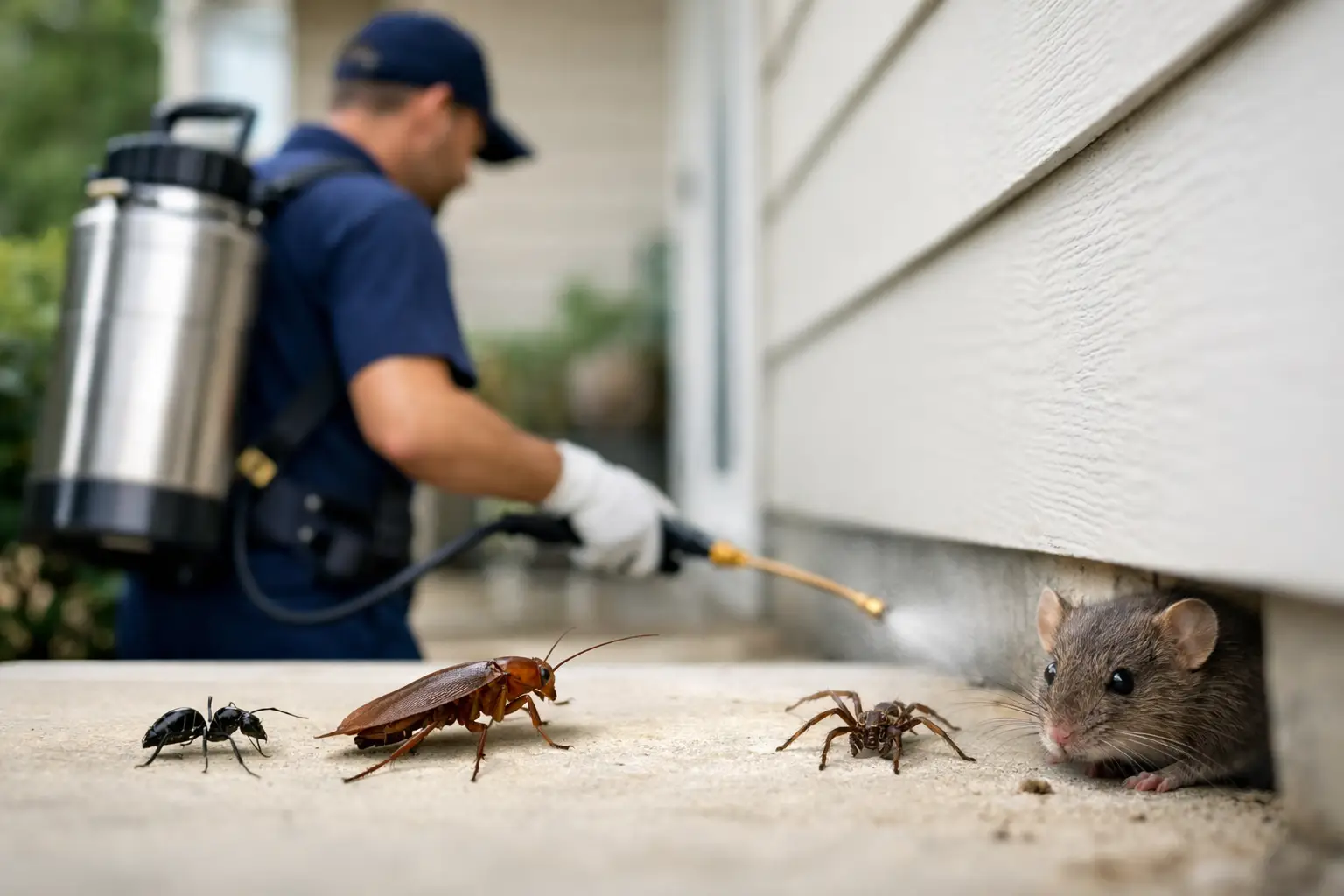
For crawling insects like ants, spiders, silverfish, and some beetles, exterior perimeter treatments are common. These create a protective barrier around the home where pests are most likely to enter. Crack and crevice treatments may also be used in specific indoor areas if pest activity is already established.
For stinging insects like wasps and hornets, treatment is more direct. The nest itself usually has to be treated and removed or neutralized safely. Spraying the general area is not enough if the nest remains active.
For rodents like mice and voles, the plan may include traps, tamper-resistant bait stations, monitoring, and sealing access points. Rodent control usually takes more than one visit because the real fix is stopping re-entry, not just removing the animals currently inside.
For lawn and yard pests, such as grubs, gophers, or mosquitoes, the strategy shifts again. The technician may treat turf, problem zones, nesting areas, or resting areas in landscaping. In these cases, pest control overlaps with property maintenance. A healthy lawn and managed exterior can reduce pest pressure in a big way.
Why ongoing service often works better than one-time treatment
Some infestations can be handled with a one-time visit, but many household pest issues are recurring by nature. Ants come back when weather changes. Spiders return when their food source returns. Mice look for warmth every year. Wasps rebuild. Mosquitoes rebound when conditions are right.
That is why routine service plans are popular with homeowners and property managers. Ongoing pest control works by staying ahead of seasonal pressure instead of reacting after pests are well established. The first treatment usually reduces existing activity. Follow-up visits help maintain the barrier, monitor changes, and catch new issues early.
This approach is especially helpful for families with kids and pets, because it supports a more controlled, consistent plan. Instead of waiting until a problem becomes stressful, the property gets watched and maintained throughout the year.
There is a practical budget benefit too. Smaller, regular treatments are often easier to manage than emergency calls for bigger infestations. And when the company offering service understands both pest behavior and exterior property health, they can often spot conditions that would otherwise keep feeding the problem.
Prevention is where the real value shows up
If you want to know how does home pest control work over the long term, prevention is the answer. Treatment gets the problem down. Prevention keeps it from rebuilding.
This usually includes sealing gaps around doors, windows, pipes, and utility lines. It may also mean improving drainage, trimming vegetation away from the structure, reducing clutter near the foundation, storing food more securely, and correcting moisture issues in crawl spaces, kitchens, bathrooms, or basements.
Yard care matters here more than many homeowners expect. Overwatered lawns, unmanaged weeds, piled wood, dense ground cover, and neglected garden edges can all create shelter for pests. When pest control and landscape care work together, the results are usually better. You are not just treating the symptom. You are changing the environment that allowed the pests to thrive.
That is one reason many homeowners prefer working with a company that understands both sides of the property. Weed and Pest Control Specialist, for example, can address pest issues while also helping with lawn and exterior conditions that contribute to repeat activity.
Safety depends on the provider and the plan
Most homeowners are not just asking whether pest control works. They are also asking whether it is safe. That is the right question.
Professional home pest control should be built around labeled products, proper application methods, clear instructions, and treatments chosen for the specific setting. A trained technician should explain where products are being applied, what precautions matter, and whether any temporary restrictions are needed for pets or children.
The safest approach is not always the lightest possible treatment, and it is not always the strongest either. It depends on the pest, the level of infestation, and the layout of the property. A targeted treatment by a trained professional is often safer and more effective than repeated over-the-counter use by a frustrated homeowner who is guessing.
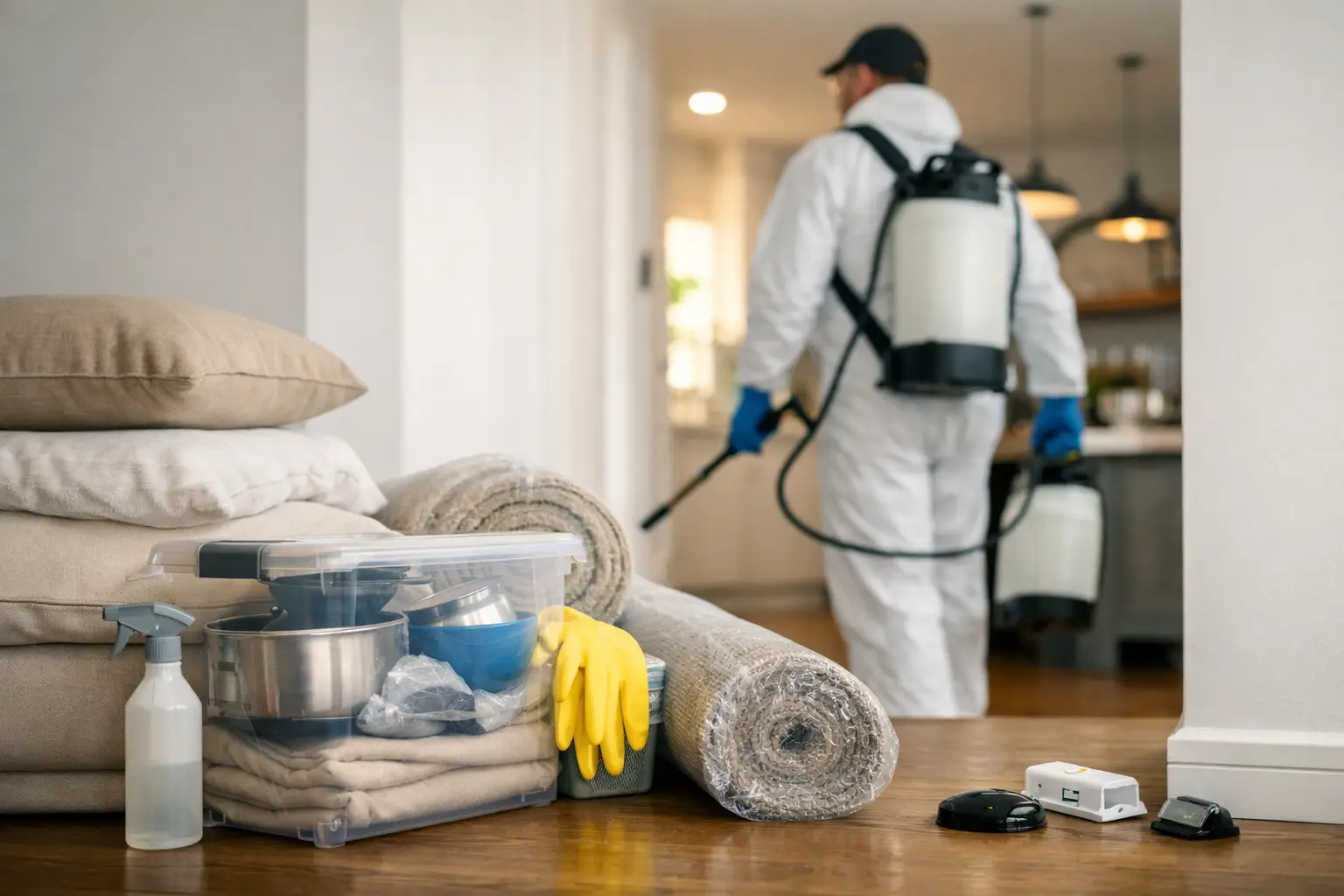
That said, homeowners still play an important role. Following prep instructions, reporting where activity is strongest, and keeping up with sanitation and exclusion steps all improve results.
What results should homeowners expect?
Results vary by pest. Some issues improve almost immediately, while others take more time. Wasp nest removal can have a quick effect. Ant control may take several days as the colony is affected. Rodent control often requires monitoring and follow-up. Spider activity may decline in stages, especially if insect prey around the home has to be reduced first.
This is where realistic expectations matter. Good pest control is not magic, and any company promising instant permanent results for every pest is overselling it. The better standard is steady reduction, smart follow-up, and a plan that matches the property.
If you are dealing with recurring pest activity, the best next step is not guessing at another store-bought fix. It is having someone look at the full picture – the house, the yard, the season, and the pest itself – and build a treatment plan that actually fits your home. A calmer, cleaner home usually starts there.