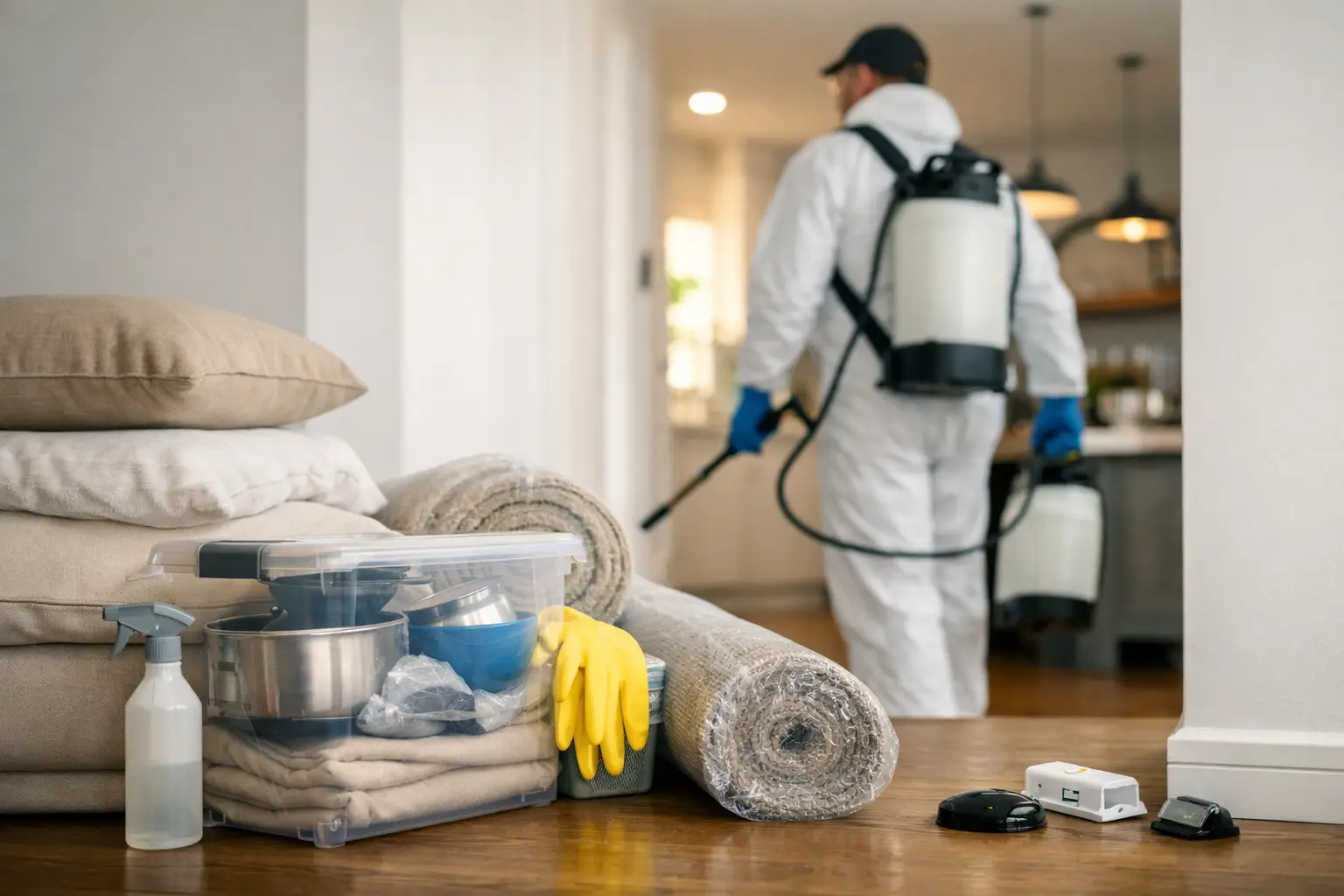
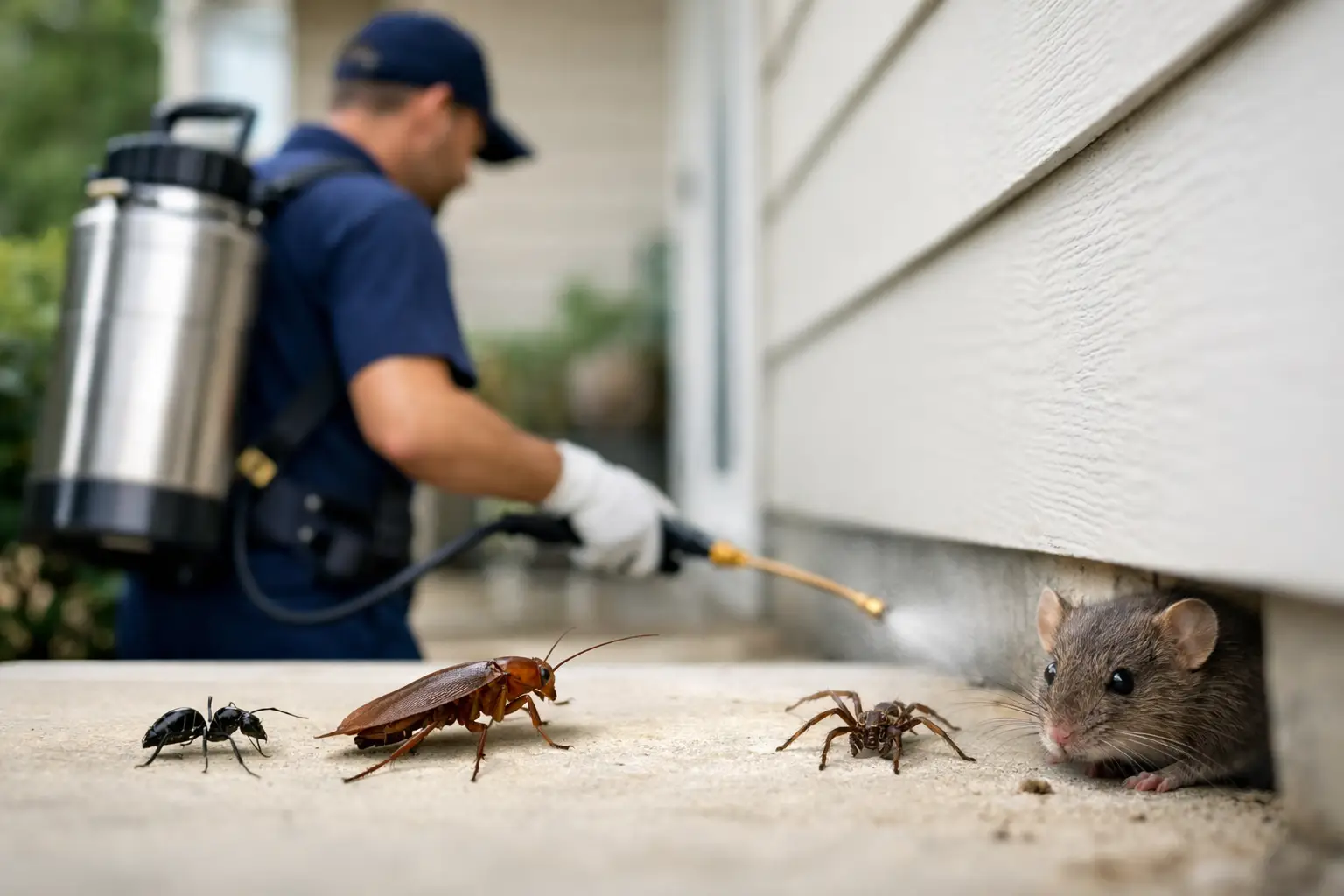
That trail of ants along the baseboard or a spider showing up in the corner usually sends people to the store fast. But if you are wondering how to do home pest control yourself, the truth is you do not need to start with the strongest spray on the shelf. The best DIY pest control starts with knowing what is causing the problem, where pests are getting in, and which simple fixes actually make a difference.
For Utah homeowners, pest pressure changes with the season. Spring often brings ants, wasps, and spiders. Summer adds mosquitoes and lawn-related insect activity. When temperatures drop, mice and other rodents start looking for warmth, food, and water indoors. That means a good DIY plan is less about one-time treatment and more about steady prevention.
How to do home pest control yourself the right way
The first step is to slow down and identify the pest. Different pests need different solutions, and using the wrong product usually wastes money and time. Ants follow scent trails, so you have to deal with both the colony and the trail. Spiders are often a sign that other insects are available as food. Mice can squeeze through gaps much smaller than most people expect, so trapping alone will not solve the issue if entry points stay open.
Start with a home walk-through, inside and out. Check windows, door thresholds, garage corners, utility lines, vents, and foundation cracks. Look for droppings, chewed materials, nesting signs, insect wings, egg cases, and moisture spots under sinks or near hose bibs. Outside, pay attention to overgrown plants touching the house, stacked firewood, standing water, and debris near the foundation. Pest control works better when you treat the cause, not just the pests you happen to see.
Once you know what you are dealing with, clean first and treat second. Crumbs under appliances, pet food left out overnight, and cardboard clutter in storage areas all make your home more inviting. Vacuuming, wiping down surfaces, sealing dry goods, and reducing hiding spots often improve results more than an extra round of spray.
Build a simple DIY pest control plan
Most homeowners do best with a basic routine instead of random treatments. Think in three layers: exclusion, sanitation, and targeted treatment. Exclusion means sealing access points. Sanitation means removing food, water, and shelter. Targeted treatment means using traps, baits, or carefully placed products only where they will help.
For exclusion, use caulk around cracks and gaps, install door sweeps where light shows under exterior doors, repair torn screens, and seal openings around plumbing and cable lines. If rodents are a concern, use materials they cannot chew through easily around larger openings. Even a small gap near a garage door or utility pipe can become the reason mice keep coming back.
For sanitation, store pantry items in sealed containers, empty indoor trash regularly, clean grease and food residue from kitchens, and fix leaks promptly. In yards, trim bushes away from the siding, keep mulch from piling too high against the foundation, and avoid letting sprinkler systems create constant damp areas near the home.
For treatment, less is often more. Follow label directions exactly. More product does not mean better control, and in some cases it pushes pests deeper into walls or into other parts of the home. Spot treatments are usually smarter than broad, heavy application.
Ants, spiders, and crawling insects
For ants, bait is usually more effective than contact spray. Sprays may kill the ants you see, but bait gives workers time to carry the product back to the colony. Keep bait near activity areas, but out of reach of kids and pets. Do not spray directly over bait placements, because that can reduce the bait’s effectiveness.
For spiders, focus on reducing webs, insect food sources, and entry points. Vacuum webs and egg sacs, especially around eaves, garages, basements, and window corners. If you use a residual product outdoors, apply it to likely entry zones rather than all over the yard. Indoor overapplication is rarely necessary and often not the best first move.
Silverfish and similar pests usually point to moisture and clutter. Bathrooms, laundry rooms, and storage spaces are common problem spots. Drying out those areas and reducing paper clutter can make a real difference.
Rodent control at home
Rodents require patience. If you only set traps and skip exclusion, you may catch a few mice without solving the problem. Place traps along walls, behind appliances, and in quiet areas where droppings or rub marks appear. Rodents usually travel along edges, not across open spaces.
Use enough traps to matter. One trap in the garage is rarely enough for an active issue. Bait traps consistently and check them daily. At the same time, seal gaps, remove easy food sources, and clean nesting materials. If rodents are getting into attics, crawl spaces, or wall voids in a big way, DIY can quickly turn into a larger repair and sanitation job.
Wasps and stinging insects
Wasps and hornets are where homeowners need to be honest about risk. A small, early nest under an eave may be manageable with the proper product and protective clothing, ideally at the right time of day when activity is lower. But large nests, hidden nests, or any infestation near entryways, play areas, or rooflines can become dangerous fast.
If anyone in the home has a sting allergy, skip the experiment and bring in help. The same goes for hard-to-reach nest locations. Saving money is not worth a ladder accident or multiple stings.
Common DIY mistakes that make pest problems worse
The biggest mistake is treating before identifying. The second is relying on store-bought foggers or heavy indoor spraying without fixing what attracted the pests in the first place. Foggers are especially overrated for many home infestations because they do not reliably reach nests, entry points, or protected hiding spots.
Another common issue is stopping too soon. People treat once, stop seeing activity for a few days, and assume the problem is gone. Then eggs hatch, hidden pests emerge, or a colony recovers. Many pest issues take repeat monitoring and follow-up.
There is also the lawn factor, which gets overlooked all the time. Exterior pest pressure often starts outside. Thick weeds, overwatered turf, debris piles, and neglected borders can create shelter for insects and rodents close to the house. That is one reason integrated yard care and pest prevention work well together. A healthier, better-maintained exterior gives pests fewer places to thrive.
When DIY works well, and when it does not
DIY pest control makes sense when the problem is light to moderate, the pest is easy to identify, and you can safely reach the affected area. A few ants in the kitchen, occasional spiders around the exterior, or early signs of rodent activity in a garage are often manageable if you are thorough.
It gets less practical when the infestation is recurring, spreading fast, or tied to structural access points you cannot easily fix. The same goes for pests that carry higher risk, including large wasp nests, serious rodent infestations, bed bugs, or scorpions in certain areas. If you are treating over and over without clear improvement, that is usually the point where professional service becomes the cheaper option in the long run.
Homeowners with children, pets, gardens, or sensitive family members also need to think carefully about product choice and placement. Safety is not just about buying something labeled for home use. It is about correct application, storage, timing, and keeping treatments where they belong.
A Utah-focused approach matters
Utah homes deal with a mix of dry-climate and seasonal pest issues, which means local conditions matter. Irrigation patterns, desert-edge properties, older neighborhoods with mature landscaping, and fast temperature swings all influence pest activity. What works in one home in Davis County may need adjustment in Tooele, Salt Lake County, or St. George.
That is why the smartest DIY approach is practical, not extreme. Stay ahead of the seasons. Inspect regularly. Keep your yard and foundation zones clean. Use targeted products instead of blanket treatments. And if you need a hand, work with a local company that understands the pests common to your area, not just a generic script.
At Weed and Pest Control Specialist, we see plenty of homeowners who start with DIY and do a good job for a while. Sometimes that is enough. Sometimes they want backup for the harder stuff, especially recurring exterior pests, rodents, mosquitoes, or lawn-related pest pressure. There is no shame in that. Good pest control is not about proving a point. It is about keeping your home comfortable, safe, and easier to enjoy.
If you are going to do it yourself, do it with a plan, not panic. That is what gets better results and fewer repeat surprises.