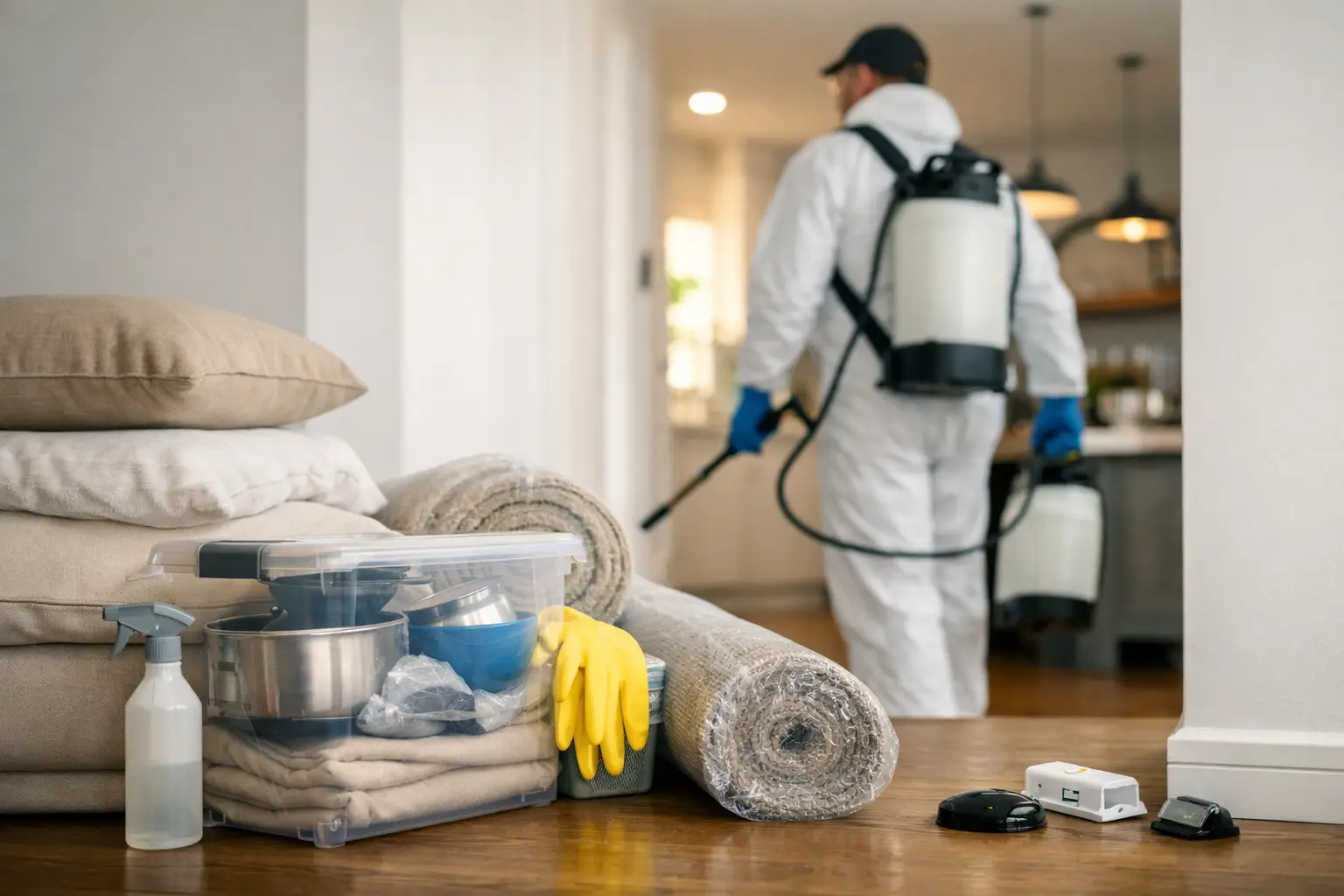
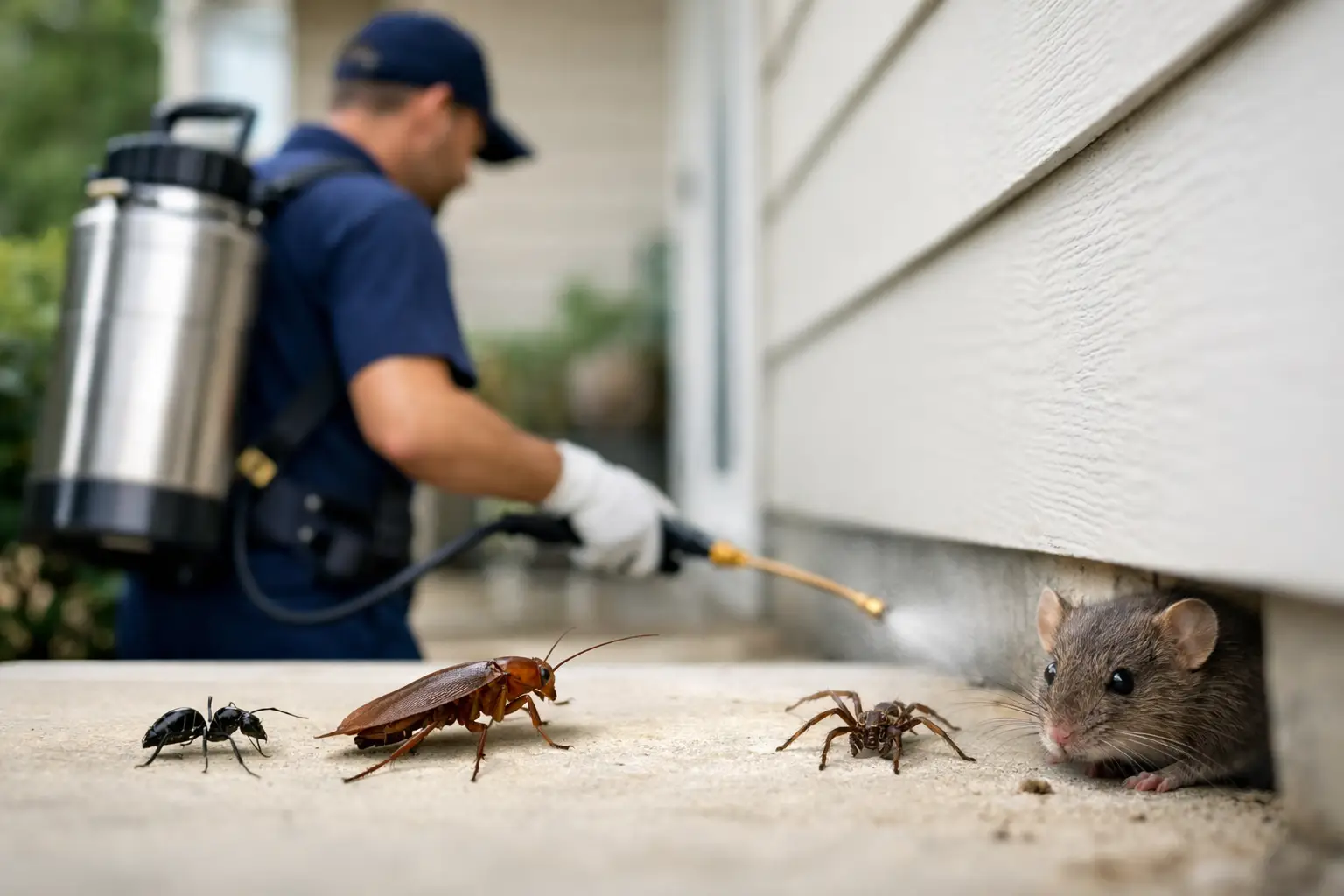
A pest problem at a business rarely stays small for long. One mouse in a storage room, a wasp issue near an entrance, or ants showing up in a break area can quickly turn into complaints, safety concerns, and damage to your reputation. That is why finding the best commercial pest control services is less about picking the cheapest quote and more about choosing a provider that can keep your property consistently protected.
For Utah businesses, that choice comes with a few extra considerations. Seasonal shifts, dry conditions, irrigation, landscaped areas, and the mix of office, retail, warehouse, and multi-use properties all affect how pests move and where they settle in. A one-size-fits-all treatment plan usually misses the mark. Good commercial service should match your building, your schedule, and the specific pests that are common in your area.
What the best commercial pest control services actually do
The best commercial pest control services do more than spray and leave. They inspect the property, identify where pests are entering or nesting, treat active issues, and build a plan to reduce future pressure. That includes interior problem areas, but it also means paying attention to the exterior where many infestations start.
For commercial properties, the outside matters more than many owners realize. Overgrown edges, weed-heavy fence lines, standing water, damaged door sweeps, dumpster areas, and neglected landscaping can all create easy opportunities for pests. If your pest company only looks indoors, you may keep treating the same problem without fixing the source.
This is where a local provider often has an advantage. A team that understands Utah pest patterns knows what tends to show up in warmer months, what pushes rodents toward buildings in colder weather, and how lawn and landscape conditions can affect pest activity year-round.
Why commercial pest control is different from residential service
A business has different pressures than a home. You may have customers walking in and out all day, employees using shared spaces, inventory to protect, or tenants expecting a safe, clean property. Pest control in that environment needs to be reliable, discreet, and easy to coordinate.
Timing matters. Some businesses need early morning or lower-traffic service windows. Others need treatment plans that avoid disrupting operations. In a commercial setting, communication also matters more. You should know what was treated, what was found, and what needs attention before a small issue turns into a bigger one.
There is also more at stake if service is inconsistent. A few spiders around a storefront, mice in a storage area, or wasps near a loading dock can create liability concerns as well as image problems. Customers may never notice the effort that goes into prevention, but they will absolutely notice the pests.
How to evaluate the best commercial pest control services
Start with experience, but do not stop there. Years in business matter because they usually reflect consistency and real field knowledge. Still, the better question is whether the company has experience with properties like yours. A retail center, office park, church, restaurant-adjacent space, HOA common area, or warehouse each has different patterns of pest activity.
Ask how inspections are handled and what is included in ongoing service. Some companies are strong on initial treatments but weak on follow-up. Others offer recurring plans that actually help prevent reinfestation. If your property deals with seasonal spiders, ants, wasps, rodents, mosquitoes, or occasional gophers and voles around landscaped areas, ongoing service usually makes more sense than one-time visits.
Pricing should be fair and clear. The lowest bid is not always the best value if it leaves out retreatments, ignores exterior conditions, or gives you no practical support between visits. A good service plan should explain what is covered, how often treatments happen, and whether extra service calls are available when needed.
Responsiveness is another big factor. When a tenant, employee, or customer reports a pest issue, you do not want to wait days for a callback. Small businesses often do better here because they treat service like a relationship, not a ticket number.
Look for a plan that fits your property
The right pest control plan should reflect how your property is used. An office with landscaped entryways may need strong spider, ant, and wasp prevention around doors, windows, and outdoor gathering areas. A warehouse may need tighter rodent monitoring around loading areas and storage zones. A multi-unit property may need both common-area treatment and careful attention to the perimeter.
This is also where integrated service can make a real difference. Pest problems are often tied to exterior conditions such as weeds, lawn stress, overwatering, and untreated shrub lines. When one provider can handle both pest control and exterior property health, it becomes easier to close the gaps that invite pests in the first place.
That does not mean every business needs the same bundle of services. It depends on the site. A heavily landscaped property may benefit from lawn and ornamental care alongside pest prevention, while a simpler commercial lot may only need targeted pest service and regular monitoring. The important part is having a provider who sees the whole picture.
Questions worth asking before you sign
Before choosing a company, ask what pests they commonly handle for businesses in your area and how they adapt service by season. Ask whether they offer recurring treatment plans, what their retreatment policy is, and how quickly they can respond if an issue comes up between scheduled visits.
You should also ask about safety. If employees, visitors, children, or pets may be on the property, the company should be able to explain how treatments are applied and what precautions are recommended. Clear answers matter. You want a team that is confident and practical, not vague.
Another good question is how they document service. Property managers especially need consistent records. A company that communicates clearly after each visit tends to be easier to work with over time.
Red flags to watch for
Be cautious with companies that give a price without asking many questions about your property. Commercial pest control is not something that should be quoted like a generic box. If a provider does not ask about building type, landscaping, known pest history, service frequency, or problem areas, they may be offering a plan that is too shallow.
Another red flag is a heavy push toward one-time treatment for a problem that is obviously ongoing. One-time service has its place, but recurring commercial issues usually need a long-term plan. If the provider is not talking about prevention, entry points, and exterior conditions, you may end up paying repeatedly for the same issue.
Finally, pay attention to how the company treats you during the estimate process. If communication is slow, rushed, or impersonal at the start, it often stays that way after you sign.
A local approach usually works better
For many Utah businesses, local service wins because local companies know the area, show up with practical solutions, and build treatment plans around real conditions instead of a national script. They also tend to understand that commercial customers want reliability without hassle. You want the issue handled, the property protected, and the process kept simple.
At Weed and Pest Control Specialist, that local mindset is a big part of the value. Businesses that need pest control often also need help keeping exterior areas clean, healthy, and less inviting to insects and rodents. Having one responsive team that can support both sides of that work can save time and reduce recurring issues.
Choosing value over the cheapest option
The best commercial pest control services are the ones that help you avoid repeat problems, protect your reputation, and keep your property easier to manage month after month. Sometimes that means paying a little more for better communication, free additional treatments under a service plan, or a company that understands how lawn and landscape issues connect to pest pressure.
That trade-off is usually worth it. Cheap service can look fine on paper until pests return, tenants complain, or staff start noticing the same problem areas over and over. A better provider gives you consistency, not just a single visit.
If you are comparing commercial pest control options, focus on fit. Choose a company that knows Utah conditions, respects your schedule, communicates clearly, and treats prevention as seriously as treatment. When that piece is right, pest control stops feeling like an ongoing interruption and starts feeling like one less thing you have to worry about.
A well-kept business should feel safe, clean, and ready for the people who walk through it every day. The right pest control partner helps make that possible quietly, steadily, and without making you chase them for results.