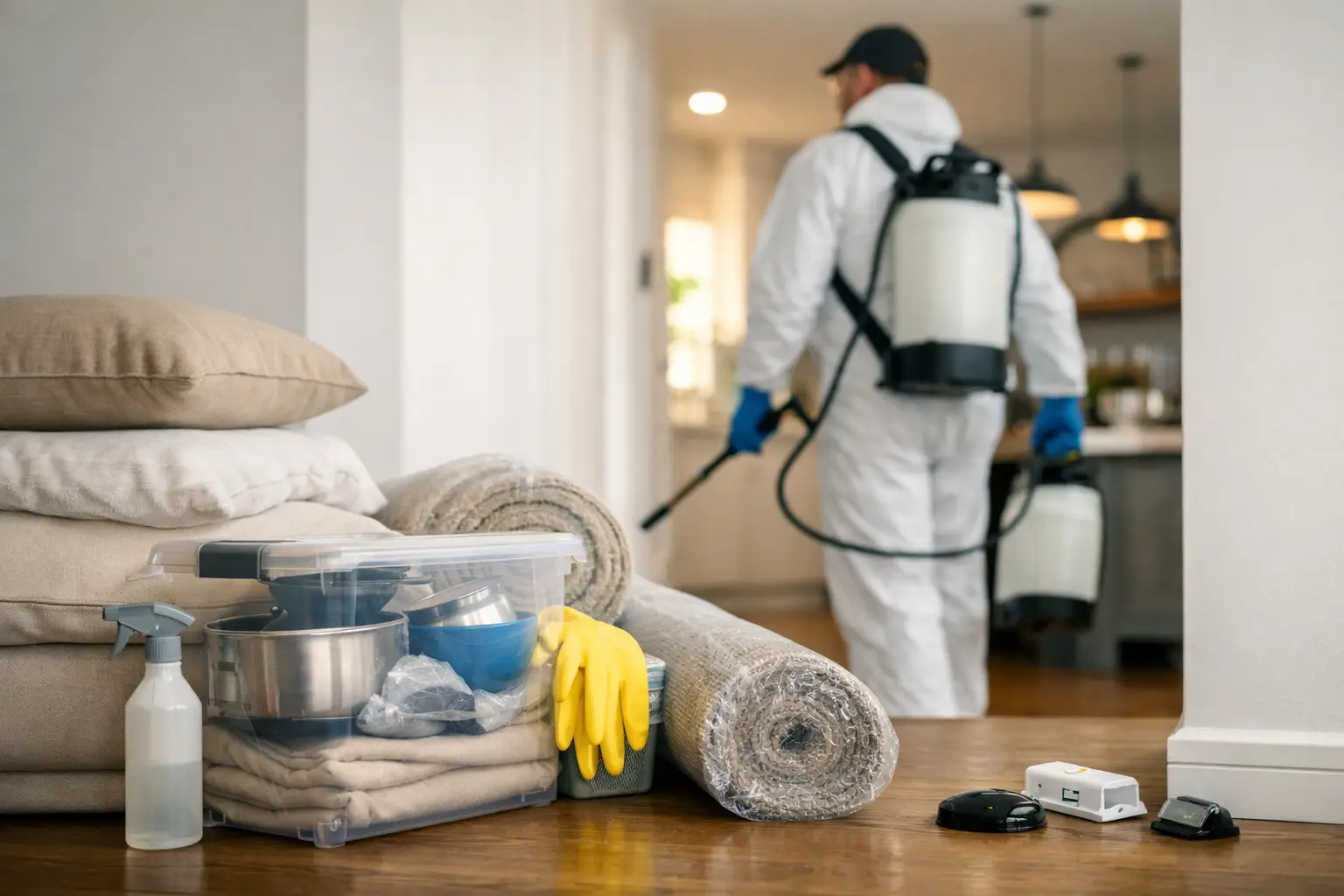
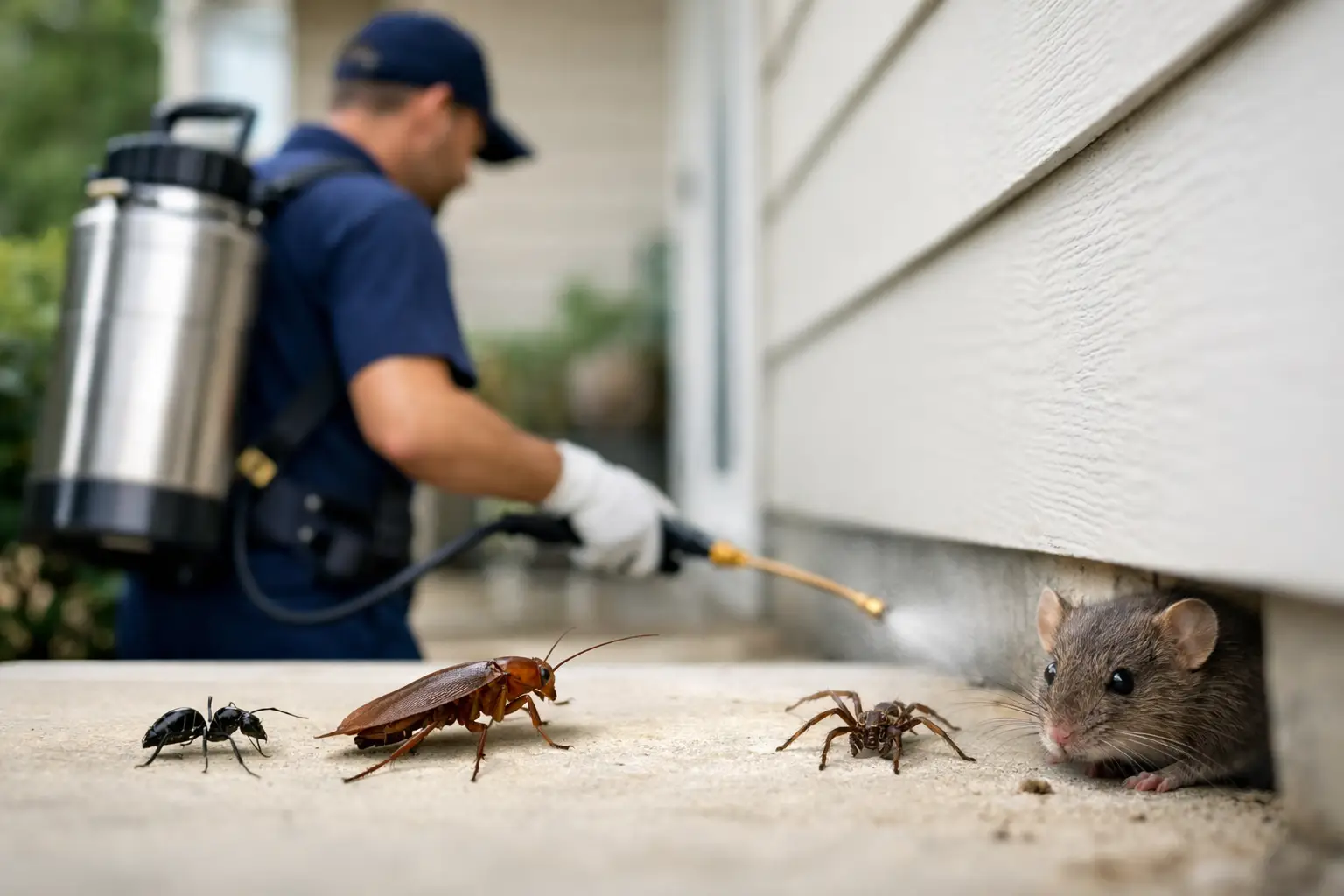
You usually notice a bug problem at the worst time – when guests are coming over, when the kids are playing on the floor, or when you flip on the garage light and see something skitter into a corner. Good bug control is not just about spraying once and hoping for the best. It is about figuring out why pests showed up, where they are nesting, and how to keep them from coming back.
In Utah, that matters more than many people expect. Our dry climate, changing seasons, irrigated lawns, and expanding neighborhoods create ideal conditions for a long list of pests. Ants look for moisture and food, spiders follow other insects, wasps build near eaves and patios, and earwigs, silverfish, and other nuisance bugs find shelter where people least want them. If you also have a lawn, garden beds, trees, or rock landscaping, the outside of your property can quietly feed the problem inside.
What bug control really means
A lot of people hear bug control and think of one treatment for one pest. Sometimes that is enough. More often, especially around Utah homes and commercial properties, bug control works best as a full-property approach.
That means treating active pests, but it also means reducing the conditions that support them. Cracks around doors, overwatered landscaping, clutter in storage areas, standing water, and untreated exterior edges all give bugs a reason to stay. If those conditions stay the same, bugs tend to come back even after a decent initial treatment.
This is where local experience matters. A home in Salt Lake County may deal with different pressure than a property in St. George, and a shady lot with mature landscaping behaves differently than a newer subdivision with sparse trees and open dirt. The right plan depends on the pest, the season, and the property itself.
Common Utah pests that need bug control
Spiders are one of the most common complaints we hear, and for good reason. Most people are not interested in identifying species when they find webs around basement windows, garages, porches, and ceiling corners. They just want them gone. The tricky part is that spiders are often a symptom of another insect issue. If the food source is still there, spider activity tends to continue.
Ants are another frequent problem, especially in kitchens, bathrooms, garages, and along foundation lines. Some ant issues are minor and seasonal. Others keep reappearing because the colony is established close to the structure or because irrigation and moisture are helping them thrive.
Wasps and hornets create a different kind of stress. They are not just annoying. They can make patios, entryways, play areas, and commercial storefronts feel unusable. Nest placement matters, and so does timing. Waiting too long can turn a small nuisance into a much bigger removal job.
Then there are the pests people do not always talk about right away: silverfish in bathrooms and storage areas, earwigs around mulch and damp edges, mosquitoes around standing water, and ticks in grassy or brushy areas. None of these should be brushed off as normal if they are affecting how you use your home or property.
Why some bug problems keep coming back
If you have tried store-bought sprays and still see activity, that does not mean you did something wrong. It usually means the problem is broader than what is visible.
Many bugs nest in wall voids, under concrete edges, in crawl spaces, around irrigation boxes, or in thick vegetation close to the house. A quick treatment may kill what is out in the open without touching the real source. Some products also repel bugs without eliminating the population, which can scatter the issue rather than solve it.
There is also the timing problem. Utah pest activity changes with the weather. In spring and summer, many insects become more active outdoors and start showing up around doors, windows, and landscaping. In cooler months, some pests head indoors looking for warmth and shelter. If treatment only happens after the problem feels urgent, you are usually playing catch-up.
That is why recurring service plans often make more sense than one-time calls, especially for families, property managers, and businesses that want fewer surprises. Regular visits allow treatments to stay ahead of seasonal pressure instead of reacting after bugs are already established.
Effective bug control starts outside
Most bug issues that show up indoors begin outside. That is why exterior treatment is such a big part of effective control. Foundation lines, door thresholds, window perimeters, garage edges, eaves, and landscaping transitions are all common travel routes for insects.
A good exterior service creates a barrier, but it should also target likely nesting and harborage areas. That includes decorative rock, mulch beds, dense shrubs, wood piles, fence lines, and areas where moisture sticks around. If your lawn has irrigation problems or your garden beds stay damp, those conditions may need attention along with the treatment.
This is one reason homeowners appreciate working with a company that understands both pests and property health. Bug pressure is often connected to what is happening in the lawn and landscape. Overgrown vegetation, weeds, stressed turf, and poor drainage can all contribute. When one provider sees the full picture, prevention gets easier and more practical.
Indoor bug control should be thoughtful, not heavy-handed
People want treatments that work, but they also want to feel comfortable in their home. That is especially true for households with children and pets. Good bug control should be targeted and sensible, not more aggressive than the situation calls for.
In many cases, the best indoor approach focuses on trouble spots instead of blanket overuse. Baseboards, entry points, utility penetrations, garage corners, and areas with visible activity are more useful than random application. The goal is to solve the issue while being mindful of how the space is used every day.
There is always some give-and-take here. Severe infestations may need a stronger response than a low-level seasonal issue. A family home with a crawling baby has different priorities than a vacant rental between tenants. This is exactly why a one-size-fits-all approach falls short.
When one-time service makes sense, and when it does not
A one-time bug control treatment can be a smart choice if the issue is isolated and the source is clear. A visible wasp nest, a sudden ant trail, or a short-term spike in spider activity may be handled well with a single visit, especially if conditions around the property are also corrected.
But if bugs keep returning every season, if you have multiple pest issues at once, or if your property has ongoing risk factors like dense landscaping, nearby open ground, irrigation, or older exterior gaps, one-time service may only provide temporary relief. Ongoing service is usually more cost-effective than repeated emergency calls.
For commercial properties, regular service is even more important. Tenants, customers, and employees notice pest activity quickly, and waiting until there is a visible problem can create avoidable complaints. Consistent exterior and targeted interior service helps protect both the property and the experience people have on-site.
What to look for in a bug control provider
Not all pest control service feels the same. Some companies rush through appointments, treat every property exactly alike, and leave customers with more questions than answers. That may work for a national route model, but it is frustrating when you want real help.
A better provider looks at the details. What pest are you seeing? Where is the activity concentrated? What is happening in the lawn, trees, or garden beds? Are there pets, kids, or specific concerns around treatment areas? Those questions lead to better results.
Local accountability matters too. A neighborhood company has more to lose if it does not show up, follow through, or stand behind the work. That is one reason many Utah homeowners prefer a responsive local team over a giant call-center brand. Weed and Pest Control Specialist has built trust that way – by keeping service personal, fair, and focused on what actually works for the property in front of us.
Bug control works best as prevention
The best time to think about bug control is before insects become a daily irritation. Sealing gaps, cleaning up storage areas, managing moisture, trimming vegetation away from the house, and keeping up with exterior treatments can prevent a small issue from turning into a recurring one.
That does not mean every property needs the same schedule or the same level of treatment. It depends on your location, your pest history, and how you use the space. A backyard where kids play and family dinners happen has different expectations than a side yard nobody enters. A single-family home and a multi-unit property also need different strategies.
Still, the goal is the same: fewer pests, less stress, and a home or business that feels cared for. Good bug control should make your property easier to enjoy, not just less irritating to live with.
If bugs are starting to feel like part of the house, it is probably time to stop treating the symptom and deal with the reason they are there.