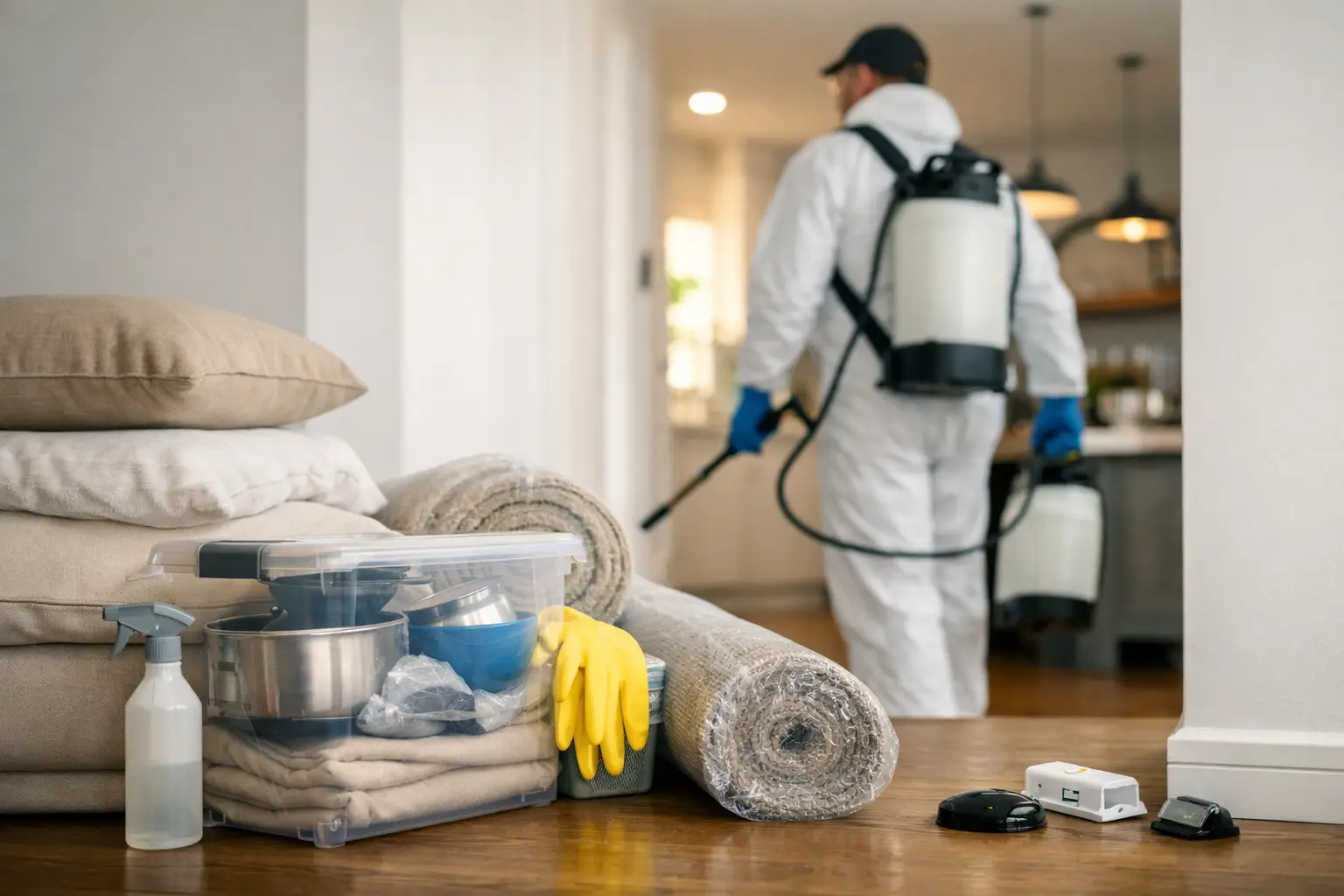
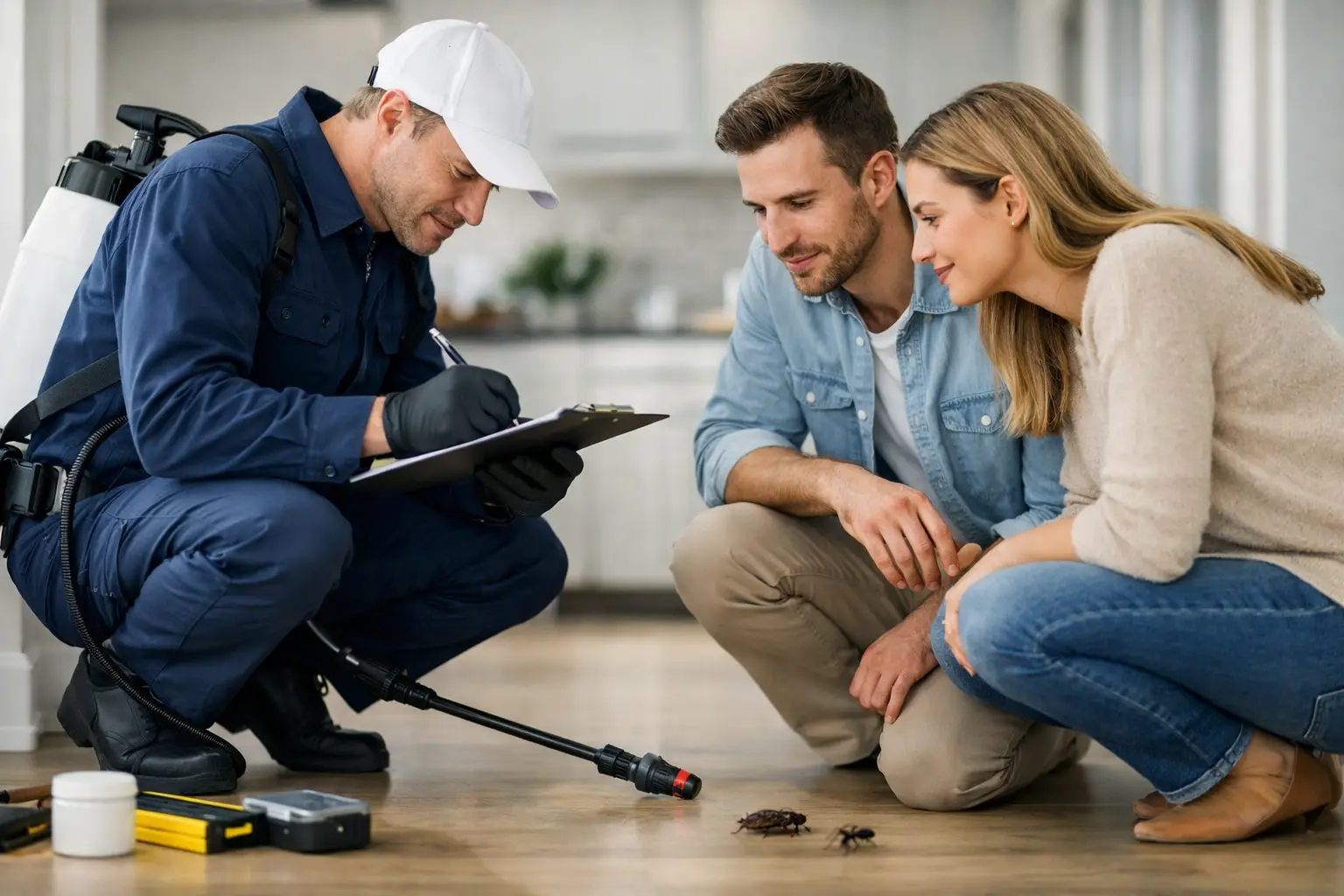
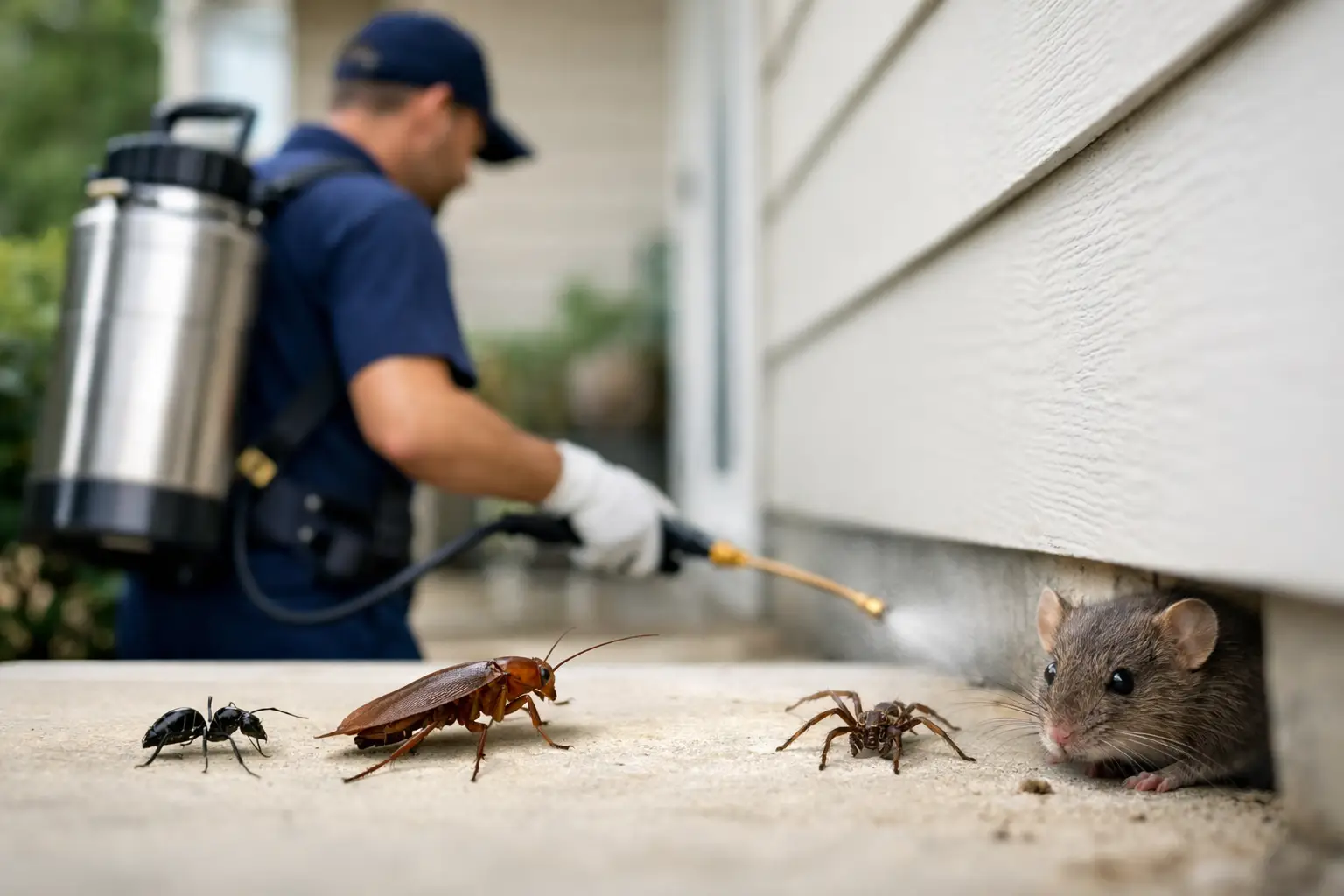
You usually notice the problem right when people are coming over – a line of ants near the sink, spiders collecting in the basement corners, or wasps hanging too close to the back door. That is when many homeowners start looking for the best home pest control spray. The tricky part is that the best option depends on what is crawling, where it is showing up, and whether you need a quick fix or real control that lasts.
Store shelves make it seem simple. One can says it kills on contact. Another says it creates a barrier. Another promises indoor and outdoor protection. Some of those products do help, but not in the same way, and not for every pest Utah homeowners deal with. A spray that works well for ants may do very little for wasps. A product that knocks down spiders fast may not solve why they keep coming back.
What makes the best home pest control spray?
The best home pest control spray is not always the strongest-smelling product or the one with the boldest label. A good spray does three things well. It targets the pest you actually have, it can be used safely around your household when applied correctly, and it fits the area you are treating.
That last point matters more than most people think. Indoor sprays are usually designed for cracks, baseboards, and entry points. Outdoor perimeter sprays are built for foundations, window wells, eaves, patios, and garage edges. If you use the wrong type in the wrong place, results are usually disappointing.
It also helps to separate instant results from lasting results. Some sprays kill on contact, which feels satisfying in the moment, but they may leave little residual protection behind. Others keep working after they dry and help reduce repeat activity. If pests are recurring, residual control matters a lot more than the initial knockdown.
The pest matters more than the label
A general-use spray can be useful, but pest problems are rarely as general as the packaging suggests. Ants, spiders, earwigs, silverfish, and wasps behave differently. So do mice and voles, which of course are not spray problems at all. If the pest is misidentified, even a decent product can seem useless.
For ants and crawling insects
Ant sprays can help around door frames, windows, baseboards, and exterior foundations. The catch is that visible ants are often only a small part of the problem. If a colony is established nearby, killing the ants you see may not eliminate the source. In those cases, a spray may reduce activity, but not finish the job.
For spiders
Spider control often takes more than one treatment. Sprays can reduce live spider activity and help along exterior entry points, but webs, egg sacs, and insect food sources also matter. If your home has a steady stream of other bugs, spiders will keep finding a reason to stay.
For wasps and hornets
Wasp sprays have a clear purpose – fast knockdown from a safer distance. They can be effective for visible nests in accessible areas, but there is a real safety issue here. If the nest is large, high up, tucked into siding, or near a busy entryway, spraying it yourself can make the situation worse very quickly.
Where store-bought sprays help – and where they fall short
For minor issues, over-the-counter sprays can absolutely help. If you catch a small ant trail early or notice a few insects around an exterior door, a correctly used spray may take care of it. For homeowners who want a simple first step, that can be a reasonable place to start.
But there are trade-offs. Many people underapply, overapply, or spray the wrong surfaces. Others treat only the spots where pests are visible and miss the routes pests use to get inside. In dry Utah conditions, pests often move toward moisture, shade, and shelter, which means the source may be around irrigation lines, landscape edging, mulch, window wells, garages, or foundation gaps rather than the kitchen floor where you first spotted them.
Another issue is repeat pressure. If your neighborhood deals with regular spider activity, summer ants, wasps under the eaves, or seasonal surges of earwigs and silverfish, a one-time spray tends to wear off long before the pressure does. That is why some homes feel like they are always fighting the same battle.
How to choose a spray without wasting time and money
If you are comparing products, ignore the marketing hype for a minute and focus on the label details. Look for the pests listed, the approved use areas, and how long the residual is expected to last. Also check whether the product is meant for crack-and-crevice treatment, broad surface treatment, or outdoor perimeter use.
If you have kids or pets, be extra careful about application instructions and reentry timing. Safe use is not just about the product itself. It is about where it is applied, how much is used, and whether treated areas are allowed to dry fully before normal activity resumes.
The best choice is usually a targeted one. A homeowner dealing with occasional ants near the back patio needs something different than a property manager trying to reduce recurring spider activity around several units. The more specific the problem, the easier it is to choose a product that actually fits.
Best home pest control spray choices often miss the bigger issue
This is where a lot of frustration comes from. People buy what seems like the best home pest control spray, use it exactly once, and expect the pests to be gone for good. Sometimes that happens. Often it does not, because the spray was only one piece of the puzzle.
Pests come back for reasons. Food crumbs, standing water, overwatered lawn edges, dense shrubs against the house, unsealed gaps, wood piles, cluttered storage, and untreated exterior zones all give pests a path or a hiding spot. In Utah, weather swings can make this even more noticeable. Hot, dry stretches push pests toward homes. Cooler seasons drive some of them inward.
That is why long-term results usually come from combining treatment with prevention. A quality perimeter treatment works better when entry points are sealed and exterior conditions are cleaned up. Spider treatments improve when insect prey is reduced. Mosquito control is stronger when breeding areas are addressed. Spray alone is often part of the answer, not the whole answer.
When it makes sense to call a local pro
If you are seeing pests over and over, if you are treating every few weeks, or if the problem involves stinging insects, rodents, or multiple pest types at once, it is usually time to stop guessing. Professional service is not just about using stronger products. It is about knowing where to treat, what to look for, and how to adjust for the season and the property.
That local piece matters. Homes in Salt Lake County, Tooele County, Davis County, and St. George do not all face the exact same pest patterns, but they do share plenty of common ones – spiders around foundations, ants near kitchens and patios, wasps around rooflines, and seasonal pest movement tied to heat and irrigation. A local company understands those patterns and can treat with that in mind.
At Weed and Pest Control Specialist, that hands-on approach is a big part of the value. Instead of a one-size-fits-all treatment, the goal is to help homeowners and property managers get practical control that fits the actual pest pressure on the property, with safety and consistency front and center.
A smarter way to think about pest spray
The best spray is the one that matches the problem, is used correctly, and fits into a broader plan to keep pests from returning. Sometimes that means a simple can from the hardware store is enough. Sometimes it means your home needs a perimeter treatment schedule, yard adjustments, or a professional eye on where pests are entering in the first place.
If you have been spraying the same corner of the house for months and the bugs keep winning, the issue probably is not effort. You may just need a better strategy than the label promised. A good pest control plan should make your home feel easier to live in, not like one more chore waiting in the garage.