If you have kids playing on the floor, a dog that noses every corner, or a garden you actually use, asking are pest control treatments safe is not just reasonable – it is the first question you should ask. Most people are not worried about the word treatment itself. They are worried about what gets used, where it goes, how long it lasts, and whether their home still feels like a safe place afterward.
The honest answer is yes, pest control treatments can be safe when they are chosen correctly, applied correctly, and paired with clear instructions. But safety is not automatic. It depends on the product, the pest, the location, and the people and animals living on the property. That is why a good local pest control company does more than spray and leave. We look at the problem, use the right treatment for that specific issue, and explain what you need to do before and after service.
Are pest control treatments safe when done professionally?
In most cases, yes. Professional treatments are designed to target pests while limiting unnecessary exposure for people and pets. That starts with using products according to their labeled directions and applying only where they are needed.
A trained technician should not be treating your home like every house on the block is the same. A wasp problem under the eaves is different from ants in the kitchen, and both are different from voles damaging a lawn. The safest effective approach is usually the one that is most specific. Broad, careless applications tend to create more risk and often do a worse job solving the actual pest issue.
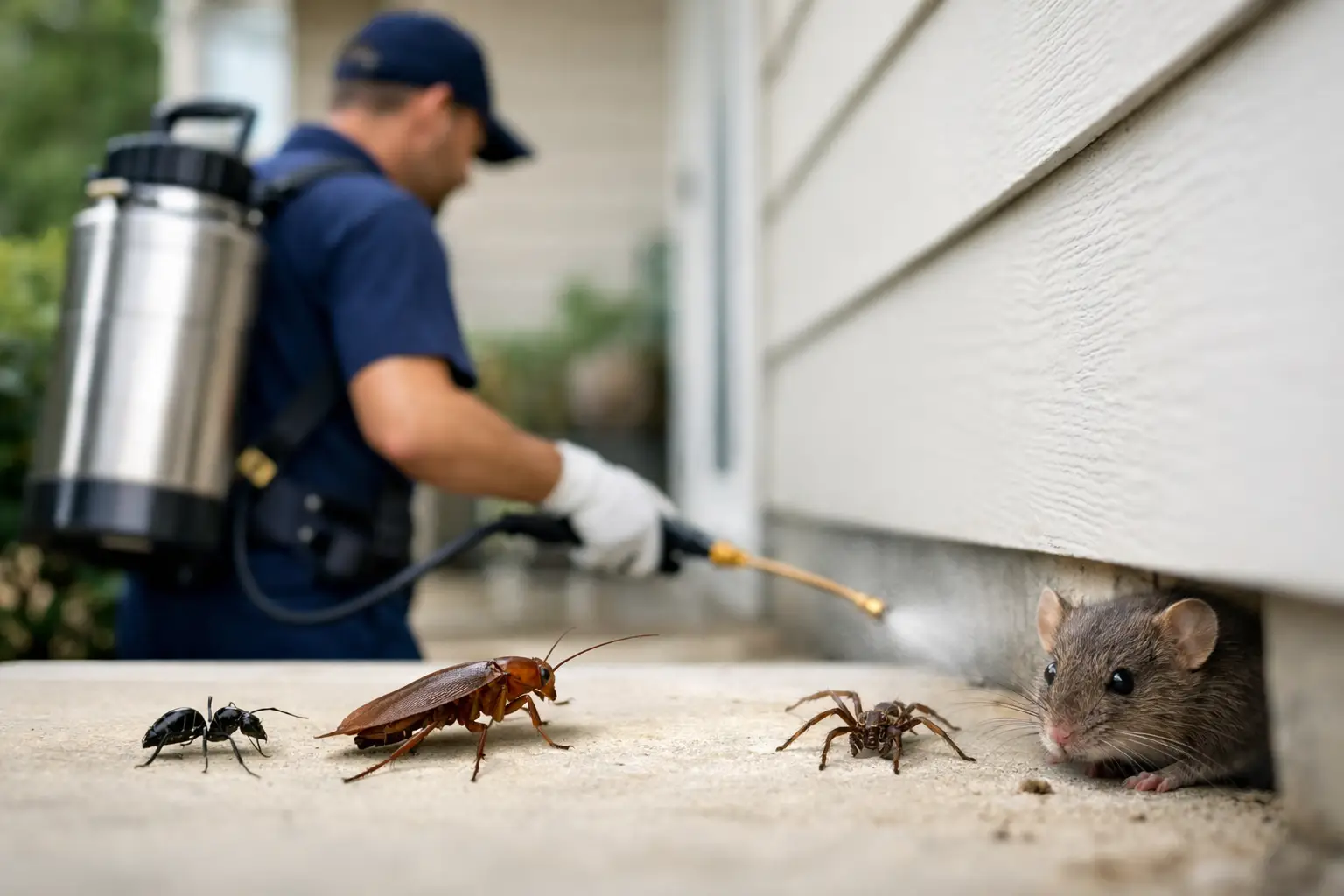
Professional service also matters because placement is a big part of safety. Crack and crevice treatments, targeted exterior barriers, bait stations, and focused spot treatments are generally very different from overapplying product across surfaces people touch every day. In other words, how a treatment is used matters just as much as what is used.
What actually affects treatment safety?
When homeowners hear the word chemical, the conversation can get tense fast. But safety comes down to exposure, dosage, and application methods, not just whether a product sounds strong.
The first factor is the pest itself. Some infestations can be handled with very targeted products in low-contact areas. Others, like heavy fleas, bed bugs, or aggressive stinging insects, may require more involved treatment plans. The second factor is location. Treating the exterior foundation of a home is not the same as treating a pantry, a nursery, or a pet sleeping area.
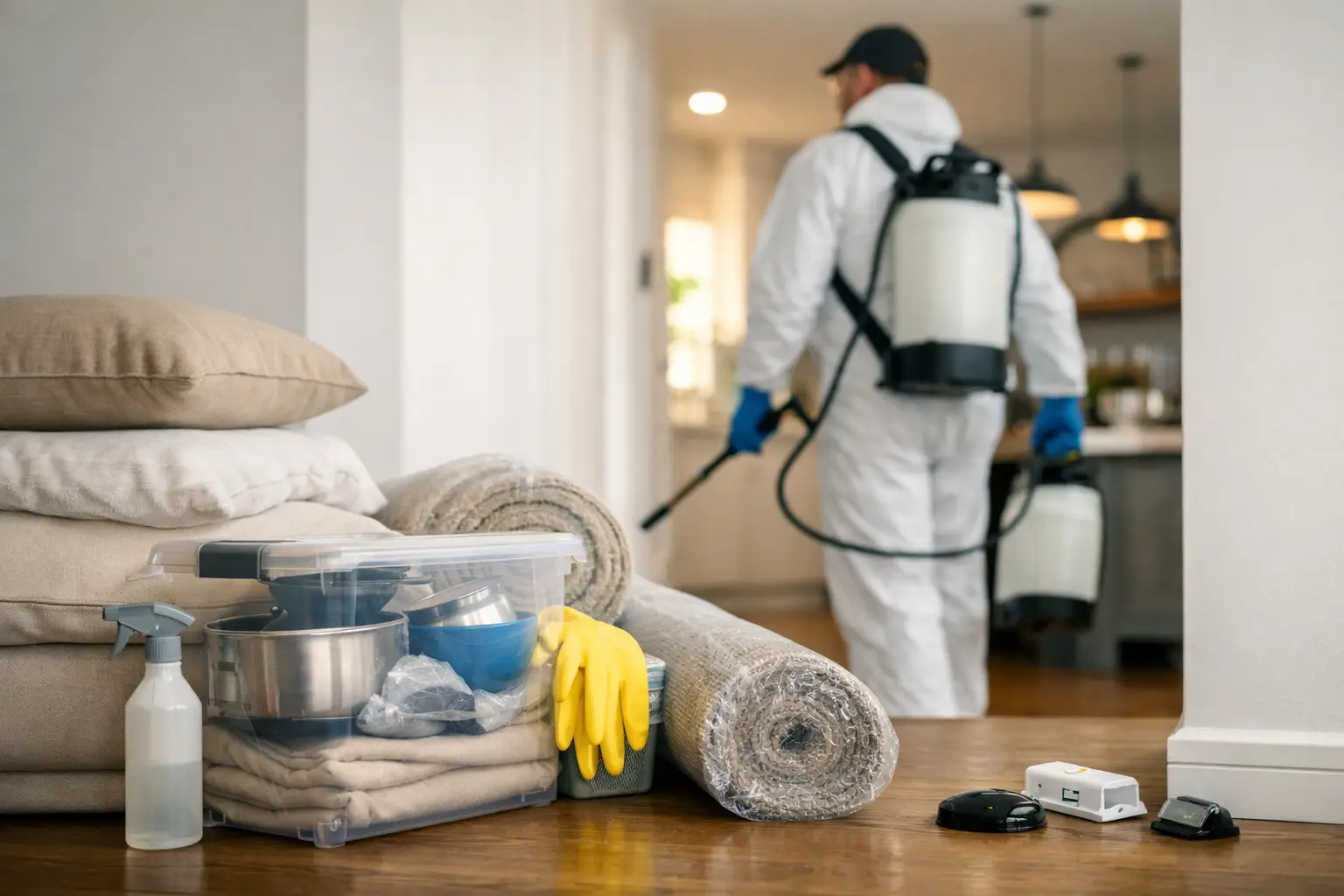
The third factor is who lives there. Homes with crawling babies, pregnant family members, elderly residents, birds, fish tanks, or pets may need extra planning. A good technician will ask about those details before treatment starts, not after. The fourth factor is behavior after treatment. Even a properly applied product can become a problem if people ignore reentry times, wipe up bait placements, or let pets into restricted areas too soon.
Safe pest control is not the same as no-risk pest control
This is where a lot of companies get too vague. Customers deserve a straight answer. No pest control treatment should be described as completely risk-free in every situation. The better standard is minimized risk with proper product selection, careful application, and follow-through.
That may sound less flashy, but it is more useful. The reality is that leaving pests untreated also carries risks. Rodents contaminate food and spread bacteria. Wasps and hornets create sting hazards around doors, decks, and play areas. Mosquitoes, ticks, fleas, and cockroaches can all create health concerns of their own. Even ants and spiders become more than a nuisance when infestations keep growing.
So the real decision is not treatment versus nothing. It is whether you want a controlled, professional plan or an ongoing pest problem that may become harder and more disruptive to fix later.
Are pest control treatments safe for pets and children?
This is usually the biggest concern, and for good reason. Kids and pets spend more time close to floors, baseboards, grass, and entry points where treatments may be placed. They also do not read warning labels.
That is why good pest control for family homes should be planned around real life. If there are toddlers crawling on the carpet, the technician should know that. If your dog licks the patio or your cat hides behind appliances, that matters too. In many cases, products can be selected and placed to reduce contact, and temporary precautions like keeping pets inside or avoiding a treated area for a set time are enough.
Exterior treatments are often a smart option for ongoing prevention because they create a barrier around the home where pests first enter. Interior treatment may still be needed sometimes, but many recurring issues can be reduced by addressing the outside first. That helps lower indoor pest activity while keeping applications more targeted.
If you have a fish tank, reptile enclosure, bird cage, or other sensitive animals, say so upfront. Those details can change how service is done. Clear communication is part of safe treatment.
What you should expect from a responsible pest control company
A reliable company should never make you feel silly for asking safety questions. In fact, the best customers usually ask a lot of them.
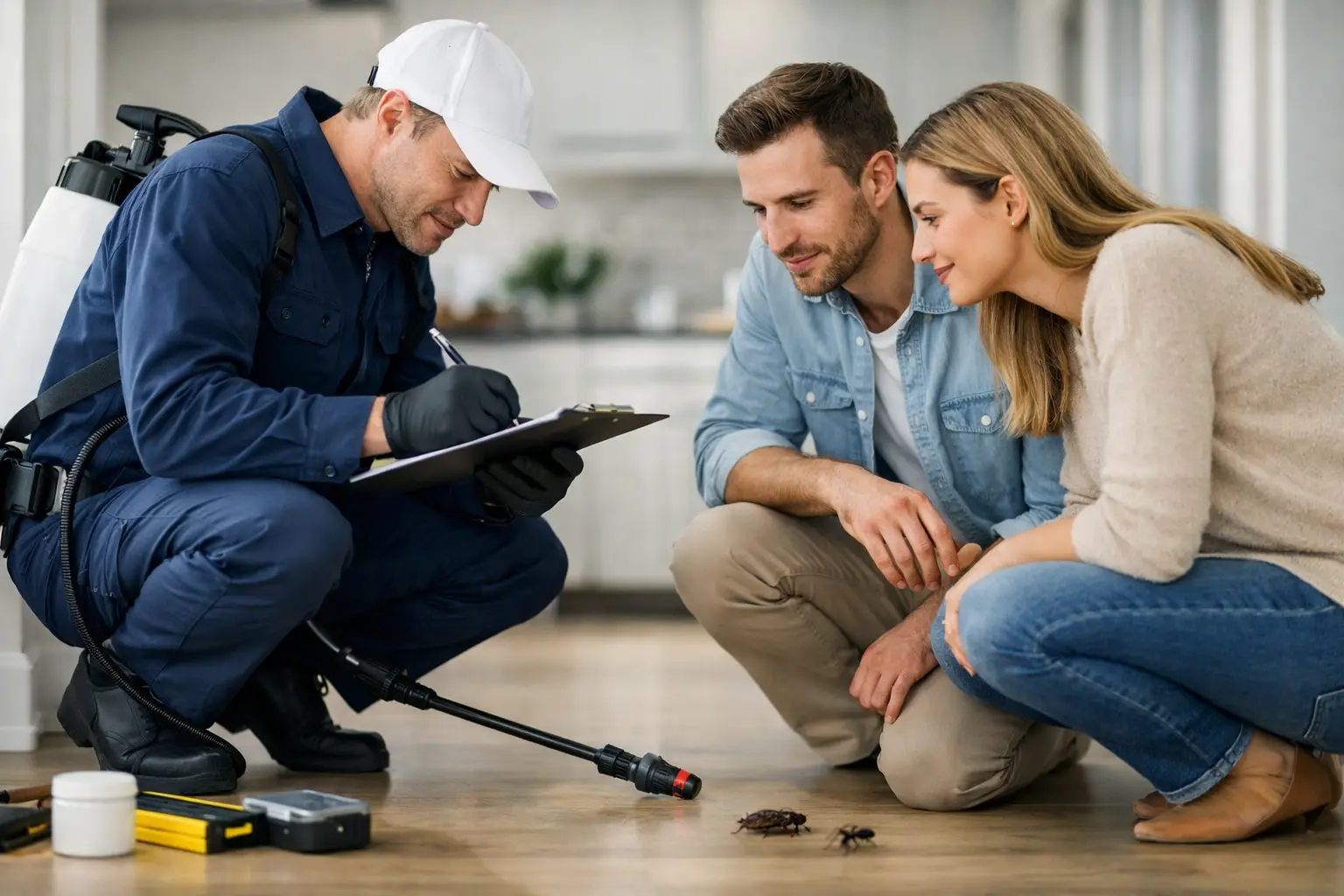
You should expect an explanation of what is being used and why. You should also receive simple guidance about preparation, reentry, and any temporary precautions. If a company is vague, rushed, or dismissive about those basics, that is a red flag.
You should also expect a treatment plan that matches the property. Utah homes deal with a wide range of issues depending on the season and location, from spiders and ants to voles, gophers, mice, wasps, and mosquitoes. A one-size-fits-all approach is not safer just because it is convenient. Often, it is the opposite.
At Weed and Pest Control Specialist, we believe safety and effectiveness belong in the same conversation. People should not have to choose between protecting their family and solving a pest problem. A thoughtful service plan is meant to do both.
How homeowners can make treatments safer
There are a few simple ways to make any service go more smoothly. First, share real information. Tell your technician about pets, children, health concerns, gardens, and where you are seeing pests. The more specific you are, the better the treatment can be tailored.
Second, follow the aftercare instructions. If you are told to stay off a treated lawn until it dries, wait. If bait stations need to stay in place, leave them alone. If windows should remain closed for a period of time, do that. Most post-treatment guidance is simple, but it matters.
Third, do not overdo store-bought products before or after professional service. Mixing sprays, foggers, powders, and traps without a clear plan can create more exposure and often pushes pests deeper into walls or new parts of the property. We see this a lot with spiders, ants, and rodents.
Finally, think long term. Ongoing maintenance is often safer and more effective than waiting until an infestation gets severe. Smaller, controlled treatments on a schedule can prevent the need for more aggressive measures later.
Questions worth asking before any treatment
If you want peace of mind, ask what pest is being targeted, where the product will be applied, when it is safe to reenter the area, and whether any special precautions apply to children, pets, gardens, or outdoor living spaces. Ask whether exterior prevention can handle most of the problem or if interior treatment is actually necessary.
A good company will answer clearly, without talking over you. Pest control should feel like a practical service, not a mystery.
The bottom line on safety
So, are pest control treatments safe? They can be very safe when handled by trained professionals who use the right products in the right places and give clear instructions that fit your home. The key is not chasing the strongest treatment. It is choosing the smartest one.
If you are weighing whether to treat a pest problem, trust your instincts and ask questions. A company that respects your home, your family, and your concerns will be glad you did. Peace of mind starts there, and so does better pest control.