You usually do not start searching for the best residential pest control on a calm, carefree day. It happens when you spot spider webs in the basement again, hear scratching in the walls at night, or realize the ants in the kitchen were not a one-time thing. For Utah homeowners, pest problems are rarely random. They follow seasons, weather shifts, lawn conditions, and tiny openings around the home that most people never notice until pests do.
That is why choosing a provider should be about more than who can spray the fastest or quote the lowest price over the phone. The right company helps you solve the current issue and lowers the odds of dealing with the same headache a month later.
What the best residential pest control really means
The phrase sounds simple, but the best service is not always the biggest company or the one with the most ads. In residential pest control, best usually means a company that understands your home, your yard, your schedule, and the specific pests common in your area.
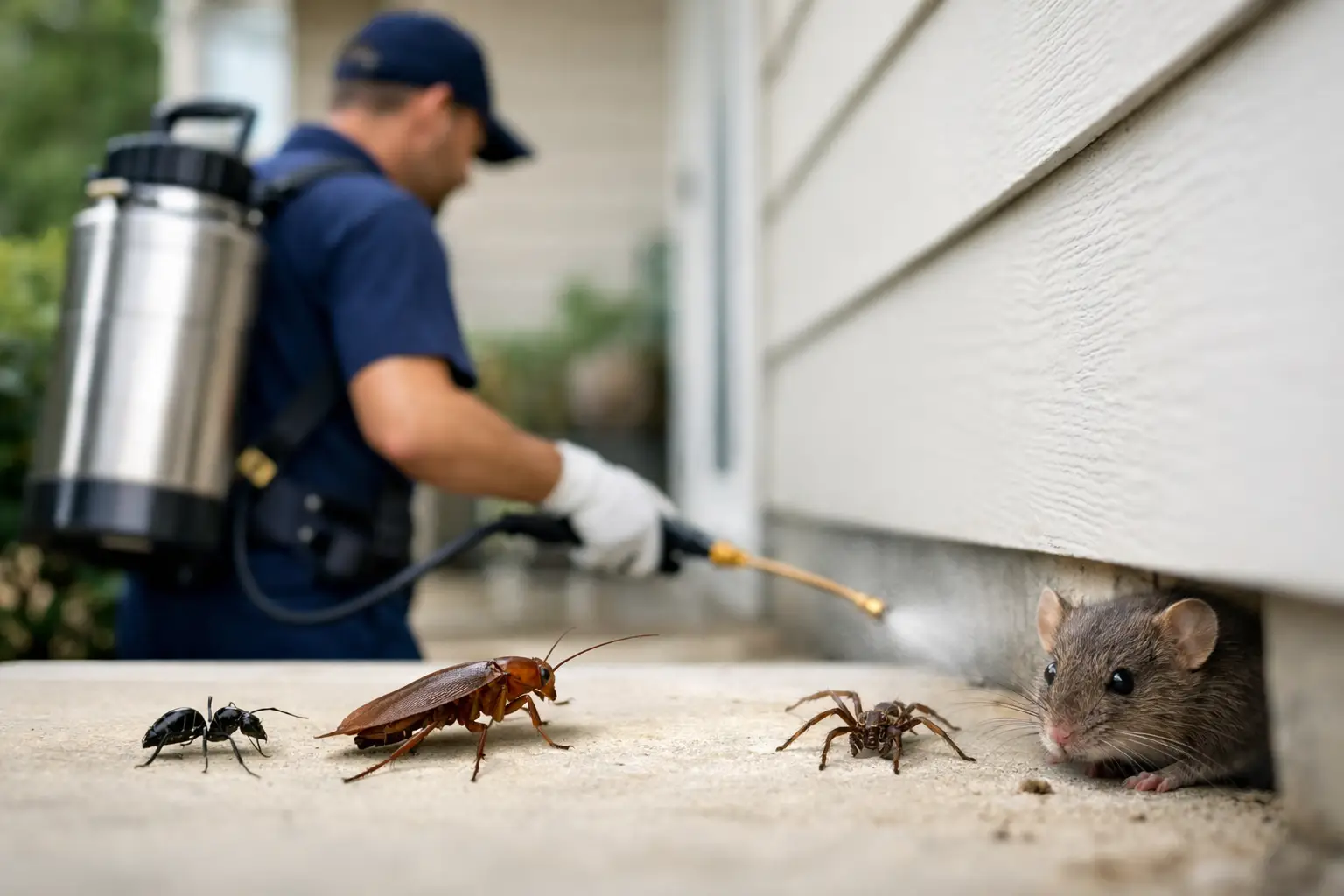
In Utah, that can mean very different things depending on where you live. A home in Salt Lake County may be dealing with spiders, ants, wasps, mice, and voles. A property in St. George may have more pressure from scorpions and other desert pests. If a company treats every home the same way, that is usually a red flag. Good pest control should feel targeted, not generic.
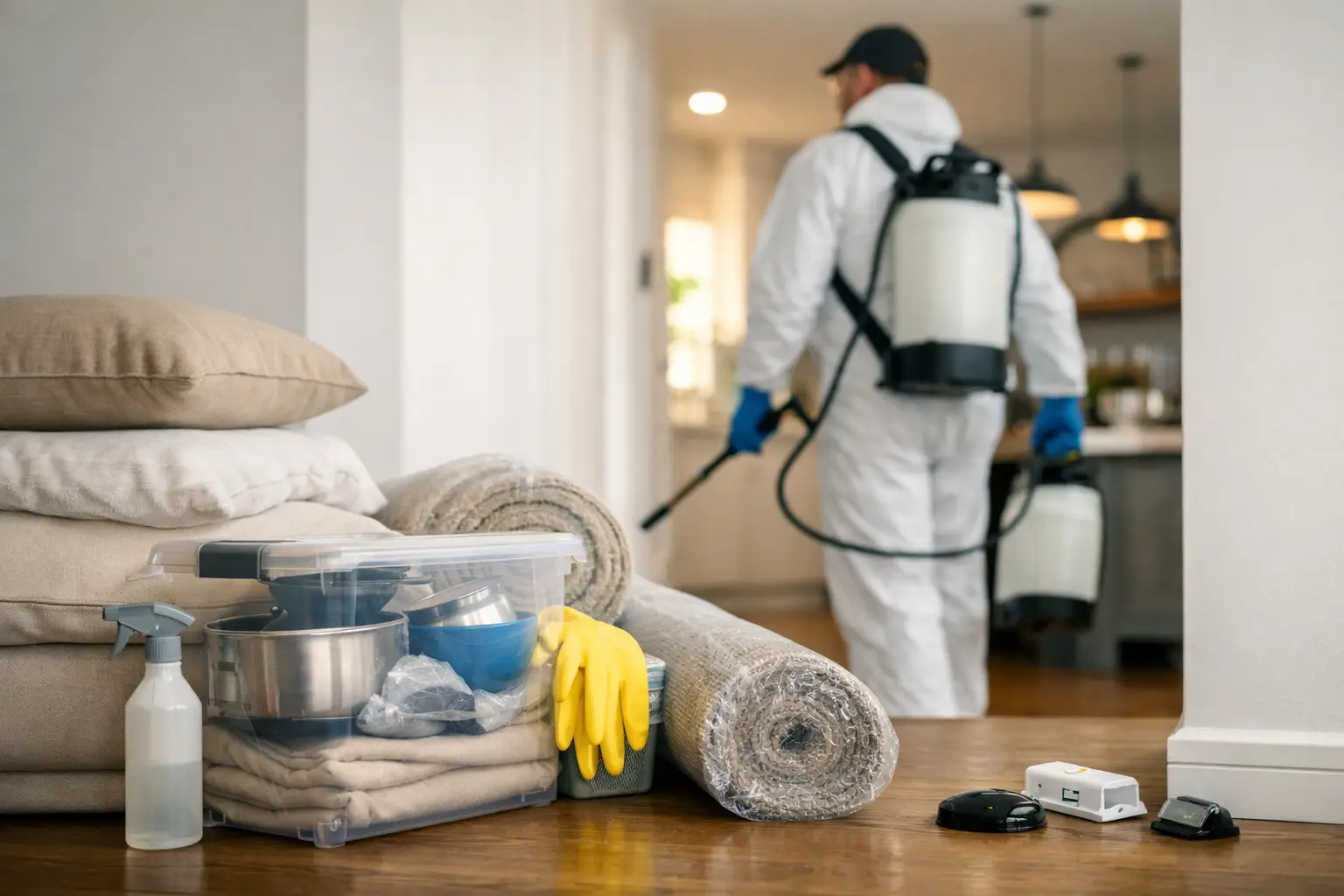
It should also fit real family life. If you have children, pets, a garden, or a lawn you actually use, safety and timing matter. The best providers explain what they are treating, why they are treating it, and what you should expect afterward.
The signs you need more than a one-time spray
Some pest problems can be handled with a single treatment. Many cannot. If you are seeing recurring ants, regular spider activity, rodents in colder months, or mosquitoes that make your yard unusable, the issue is often bigger than one visit.
Pests are tied to conditions around the home. Food sources, moisture, overgrown vegetation, lawn stress, cracks near foundations, and seasonal nesting patterns all play a role. A one-time treatment may knock activity down, but it may not address why pests keep showing up.
That is where ongoing service plans tend to earn their value. Not because every home needs constant treatment, but because some properties have predictable pressure points year after year. A provider who knows how to manage those cycles can save you money and frustration over time.
What to look for in the best residential pest control company
Start with local experience. Pest control is not one-size-fits-all, and local knowledge matters more than polished branding. A company working in Utah neighborhoods every day is more likely to understand seasonal spider activity, rodent movement during temperature drops, and how lawn or irrigation issues can contribute to insect pressure.
Next, pay attention to how broad their approach is. The strongest residential providers do not just kill what is visible. They look at entry points, nesting areas, harborage near the structure, and outdoor conditions that keep inviting pests back. If your lawn, trees, and garden beds are drawing insects closer to the house, exterior property care can be part of the solution.
That is one reason some homeowners prefer a company that handles both pest control and lawn or landscape treatments. It is more convenient, of course, but it also means fewer gaps between services. A yard with weeds, grubs, standing moisture, or unmanaged shrub growth can make pest prevention harder. Treating the whole property with one coordinated plan often works better than piecing together separate services.
Responsiveness matters too. If you call with wasps near the front door or mice in the garage, you do not want to feel like a ticket number in a giant system. The best residential pest control companies are usually the ones that answer questions clearly, show up when promised, and stand behind their work if activity continues.
Best residential pest control should be safe and practical
Homeowners should never have to choose between effective pest control and peace of mind. A good provider will talk with you about treatment methods, application areas, and any precautions that make sense for your household.
That does not mean every treatment is identical. The right plan depends on the pest, the severity, the season, and the layout of the home. Rodent control is different from mosquito control. Wasp treatment is different from treating silverfish or ants. The best companies explain those differences in plain English instead of hiding behind vague promises.
You should also expect honesty about trade-offs. For example, interior-only treatment may feel less invasive to some homeowners, but exterior barrier work is often a major part of long-term prevention. A low-cost one-time visit might help with immediate activity, but a recurring plan may be the smarter choice if the property has a history of pests. Good companies do not push the same package on everyone. They explain what fits your home and why.
Pricing matters, but value matters more
Everyone wants fair pricing, and they should. But the cheapest quote is not always the lowest-cost option in the long run. If a company under-treats, skips follow-up, or excludes common local pests from the plan, you may end up paying again somewhere else.
Ask what is actually included. Does the service cover common household pests, or only a narrow list? Are retreatments included if pests return between scheduled visits? Is rodent service separate? What about wasps, mosquitoes, or seasonal spikes in activity?
This is where personalized service often beats corporate packaging. A local company is more likely to listen to what is happening on your property and recommend a plan that matches your real needs instead of upselling extras you do not need. Weed and Pest Control Specialist has built its reputation around that kind of practical service – fair pricing, individualized treatment plans, and added support when ongoing customers need extra attention.
Why lawn and yard conditions affect pest control
Many people think of pests as an indoor problem, but most infestations start outside. Your lawn, flower beds, trees, fences, and foundation line create the environment pests move through before they ever reach the house.
Overwatered lawns can attract insects. Thick vegetation against the home can shelter spiders and ants. Grub issues can weaken turf and create broader outdoor health problems. Standing water turns mosquito season into a backyard battle. Rodents use clutter, dense growth, and neglected exterior areas as cover.
That is why the best residential pest control often includes a property-wide view. A company that can spot how pest activity connects with weeds, lawn stress, or landscape conditions brings more value than one that only treats visible bugs. Prevention is easier when the yard is not working against the house.
Questions worth asking before you hire anyone
A good conversation with a pest control company should leave you more confident, not more confused. Ask which pests are covered, how often service is recommended, whether additional treatments are included, and what they typically see in your area during the current season.
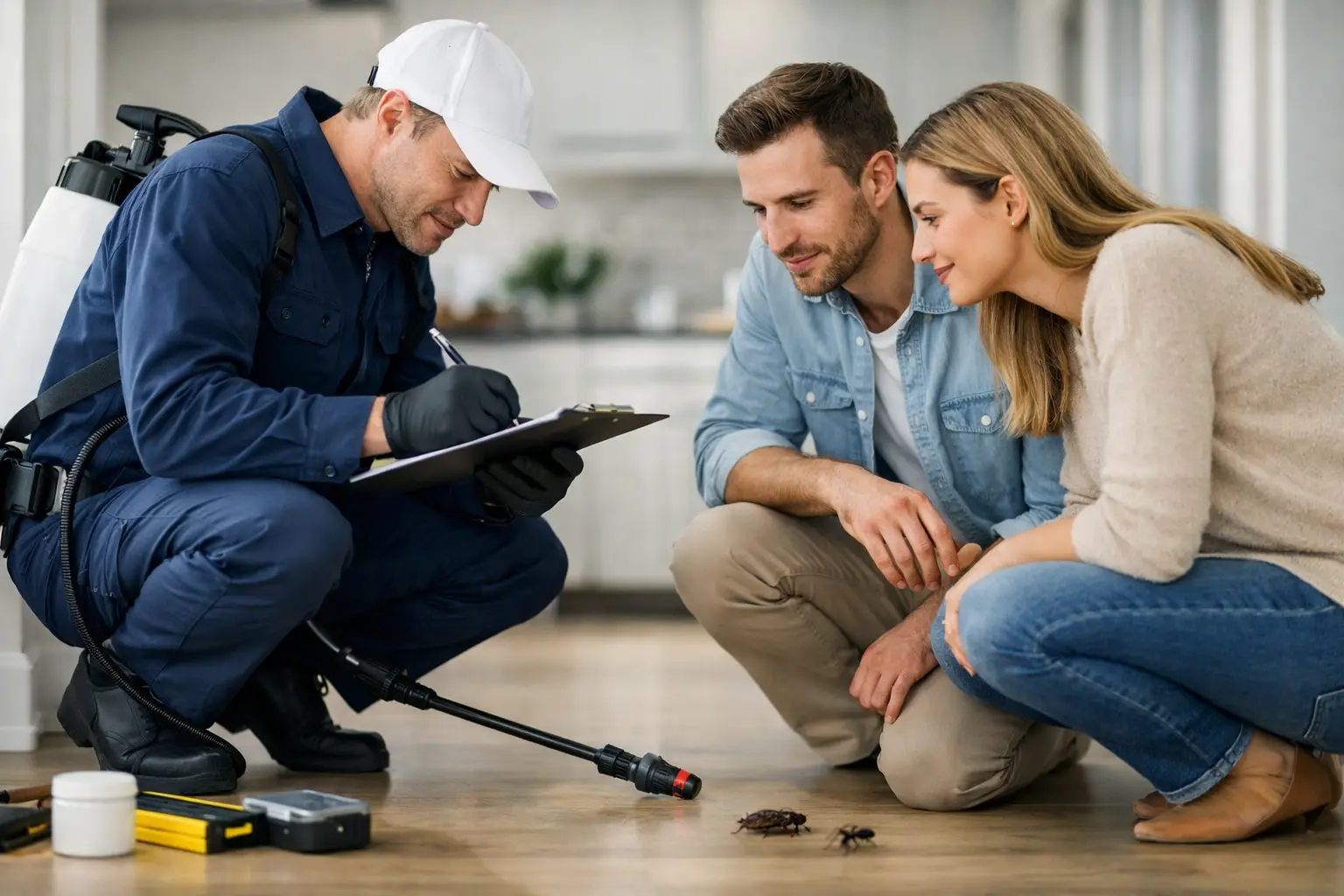
Ask how they handle homes with kids and pets. Ask whether they inspect exterior conditions or just apply product. Ask what happens if the problem comes back sooner than expected. Their answers will tell you a lot.
You are not just buying a treatment. You are choosing who you trust around your home and family. The best companies understand that and act like it.
When a local company is the better fit
Large national brands can look appealing because they are familiar. But with residential pest control, familiar is not always better. Local providers often have stronger knowledge of neighborhood patterns, faster response times, and more flexibility when a customer needs help.
They also tend to treat the relationship differently. For a local mom-and-pop business, every customer matters. That often shows up in the little things – clearer communication, more thorough service, and a willingness to come back when needed instead of making you fight through layers of customer service.
For homeowners in Utah, that local accountability matters. You want someone who understands the climate, the pest cycles, and the way outdoor conditions change from one community to the next.
The best residential pest control is not about flashy sales language. It is about consistent results, honest guidance, and service that makes your home easier to live in. If a company can help protect your house, support a healthier yard, and give you confidence that someone will answer when problems pop up, that is usually the right choice. A pest-free home should feel normal, not lucky.