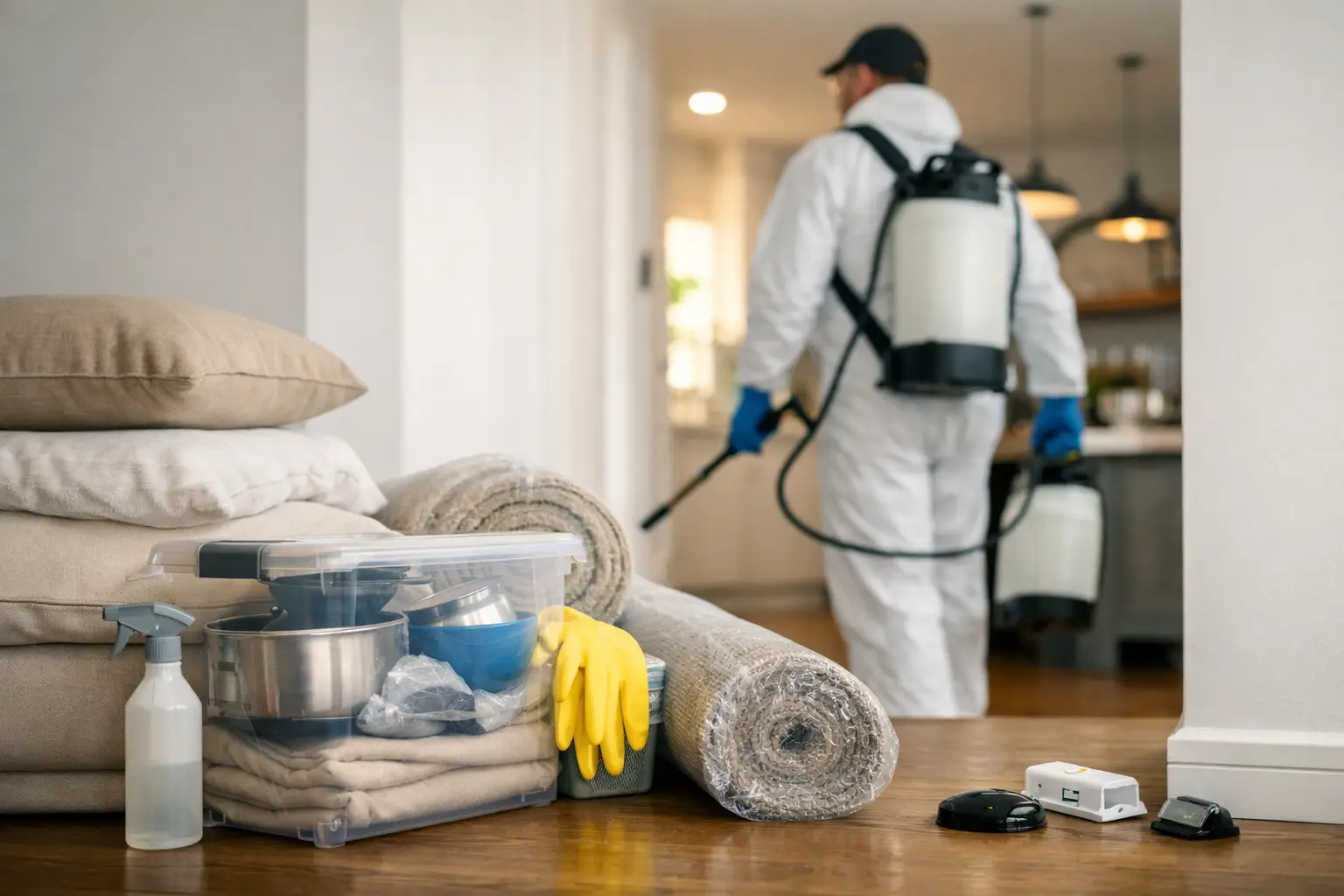
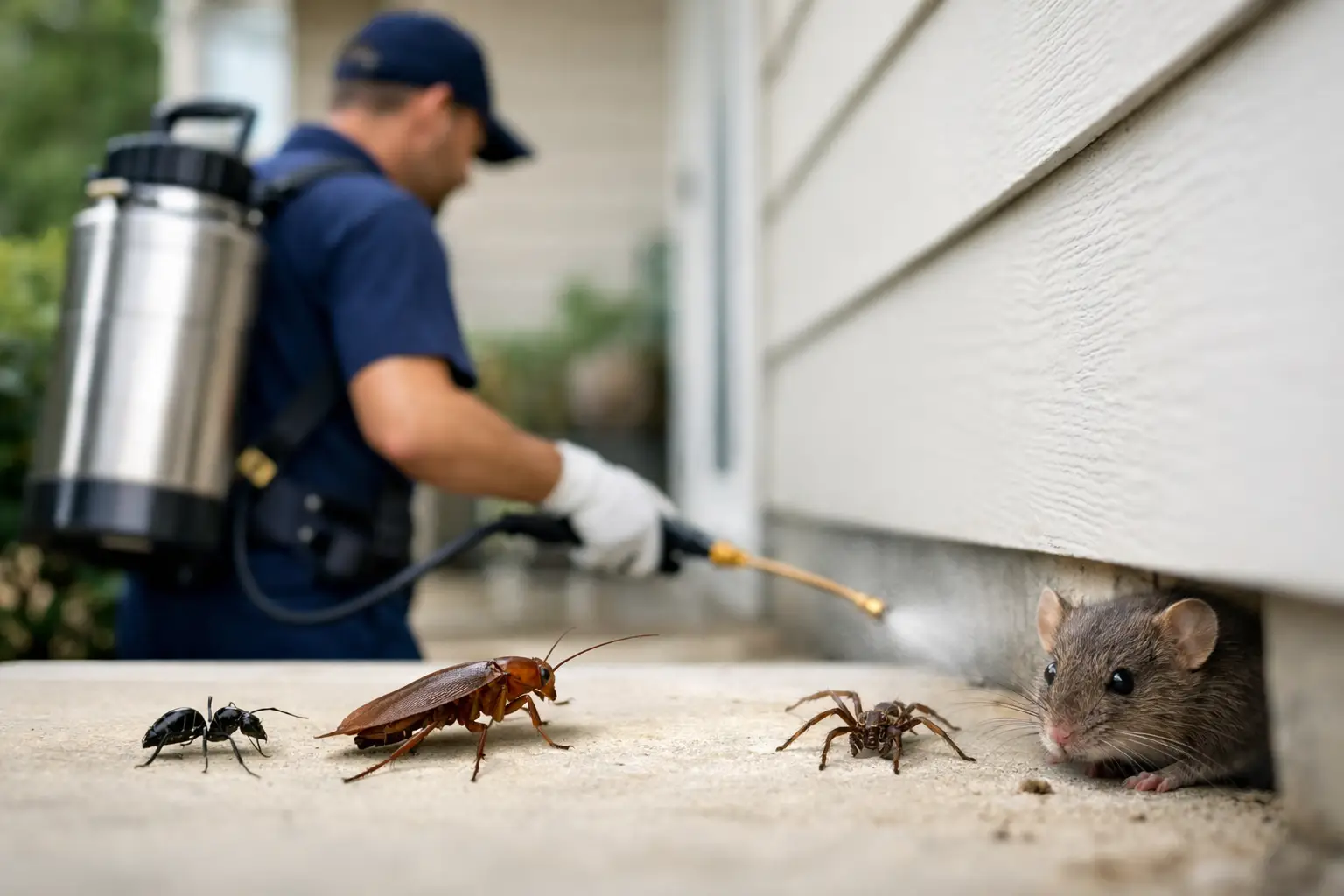
A single mouse sighting in a break room can turn into a staff complaint by lunch and a customer review by dinner. That is why pest control for commercial properties is not something most businesses can afford to treat as a once-a-year fix. When pests show up in an office, retail store, warehouse, daycare, restaurant, or apartment common area, they do more than create a mess. They affect reputation, safety, daily operations, and the way people feel inside the building.
For business owners and property managers in Utah, the challenge is rarely just killing a few bugs or setting a couple of traps. The real goal is keeping the property consistently usable, presentable, and protected through every season. That takes a plan built around the type of business you run, the layout of the property, and the pests that tend to show up in your area.
What pest control for commercial really needs to cover
Commercial pest control has to do more than react to visible pest activity. A good service should look at how pests are getting in, what is attracting them, and what parts of the property are most vulnerable. That might mean a dumpster enclosure behind a restaurant, irrigation around a retail center, storage clutter in a warehouse, or exterior cracks near office entry points.
Different commercial properties also have very different pressure points. A medical office needs a clean, low-disruption approach. A restaurant may need close attention around sanitation-sensitive areas. An apartment complex or HOA common area may need both pest control and exterior care to reduce recurring issues. A warehouse may have rodent risks tied to loading doors and pallets. There is no one-size-fits-all treatment plan, and that is exactly why commercial service should feel more customized than residential work.
In Utah, local conditions matter too. Dry heat, changing seasons, irrigation patterns, and the mix of developed and open land can all influence pest activity. Ants, spiders, wasps, hornets, mice, voles, gophers, mosquitoes, and other nuisance pests do not wait for convenient timing. They follow food, moisture, shelter, and access.
Why commercial pest issues get expensive fast
The obvious cost is the service call, but that is usually not the expensive part. The bigger costs come from damaged inventory, disrupted operations, employee complaints, tenant frustration, cleanup, failed inspections, and the loss of trust that follows a visible pest problem.
A small issue can spread quietly for weeks before anyone says anything. Rodents may stay hidden behind walls or in storage areas. Ant activity can build around moisture sources or landscaping edges before it reaches the interior. Wasps may establish nests near entries, loading zones, or rooflines where they put staff and visitors at risk. Even pests that seem minor, like spiders or silverfish, can make a property feel neglected.
That is why regular service usually makes more sense than waiting for a problem to become obvious. Preventive treatment is not flashy, but it is often what keeps a business from dealing with avoidable headaches later.
The best commercial pest plans start outside
Many pest problems begin around the exterior long before they show up indoors. Landscaping, weed growth, standing water, overgrown shrubbery, and untreated lawn areas can all create better conditions for insects and rodents. If you only treat the inside, you may keep chasing the same issue.
This is where an integrated approach makes a real difference. When pest control and exterior property care work together, the results are often stronger and more consistent. Weed-heavy areas can give pests cover. Poorly managed turf can attract grubs and other activity that affects the health of the property. Overwatering can support mosquito pressure and draw insects closer to the building. Tree and garden conditions can also influence where pests harbor.
For many commercial properties, especially in Utah, curb appeal and pest prevention are tied together more than people realize. A clean, well-maintained exterior is not just better-looking. It also removes some of the conditions that help pests settle in.
What a commercial service provider should actually be doing
A quality provider should inspect, treat, monitor, and adjust. That sounds simple, but it matters. Commercial properties change over time. Tenants move in and out, landscaping grows, irrigation shifts, doors stay open longer in summer, and storage patterns change. What worked six months ago may need to be updated now.
Inspections should focus on access points, pest activity, conducive conditions, and seasonal risks. Treatments should be targeted to the property and the pest, not applied the same way everywhere. Monitoring matters because recurring pest issues often need follow-up, especially with rodents, ants, and stinging insects. Adjustments are just as important because the goal is long-term control, not short-term appearances.
Good communication is part of the service too. Property managers and business owners should know what was found, what was treated, and what changes may help reduce future problems. That may include improving sanitation in one area, trimming vegetation away from the building, sealing a gap, or changing how waste is managed.
Pest control for commercial buildings is not all the same
A strip mall, church, office park, daycare, restaurant, and industrial building may all need pest control, but they do not need the same pace or the same strategy. The traffic level, regulatory concerns, occupant sensitivity, and layout all shape what makes sense.
For example, a daycare or family-centered business may put extra weight on safety-conscious products and careful scheduling. A restaurant may need tighter service intervals and very close attention to entry points, drains, food storage zones, and trash areas. An office may care most about discreet treatment and minimizing disruption to staff. A warehouse may need stronger rodent exclusion and ongoing monitoring around shipping access.
That is where working with a local company can feel very different from hiring a big national chain. You are more likely to get a plan that reflects the actual property, not a generic package dropped onto every account.
What to ask before hiring a commercial pest company
Price matters, but it should not be the only question. If a provider is cheap because they barely inspect the site or only show up when called, that low number may not hold up once the pest problem returns.
It helps to ask how often service is recommended, what pests are covered, whether follow-up treatments are included, and how the provider handles recurring issues. You should also ask whether they can address the outside conditions contributing to the problem. If your provider only handles insects inside the building but ignores the weeds, lawn stress, rodent-prone edges, or mosquito-friendly moisture outside, you may end up managing the property in pieces.
For many commercial clients, convenience is a major factor. One company that can handle pest pressure while also helping keep the exterior healthier and cleaner often saves time and reduces confusion. That is especially true for multi-unit properties, managed communities, and businesses that want fewer vendors to coordinate.
Why consistency usually beats one-time treatments
There are times when a one-time treatment makes sense, especially for a very specific issue. But most commercial properties benefit more from ongoing service. Pests are persistent, and so are the conditions that attract them. Weather changes, building wear, and landscaping growth can all reopen the door.
Regular service creates a rhythm. Problems are caught earlier. Seasonal pest trends are handled before they peak. Staff and tenants are less likely to deal with surprise sightings. The property stays in better shape overall.
That steady approach also tends to be easier on budgets than emergency calls and repeated cleanups. A planned service schedule gives business owners and managers a more predictable way to protect the property.
A local approach matters in Utah
Utah businesses deal with a mix of pest pressure that shifts by season and location. Properties along the Wasatch Front may see different patterns than those in hotter southern areas, and commercial sites near open land can face added rodent and insect activity. Local knowledge matters because pest behavior is not identical from one county to the next.
That is part of why a hands-on, neighborhood-minded company often brings more value than a provider working from a script. Weed and Pest Control Specialist serves commercial clients with the same practical mindset that local property owners tend to appreciate – fair pricing, responsive help, and treatment plans built around real conditions, not assumptions.
If you manage or own a commercial property, pest control should make your life easier, not add one more thing to chase. The best plan is the one that keeps problems small, protects the appearance of your property, and gives you fewer unpleasant surprises when you unlock the door each morning.