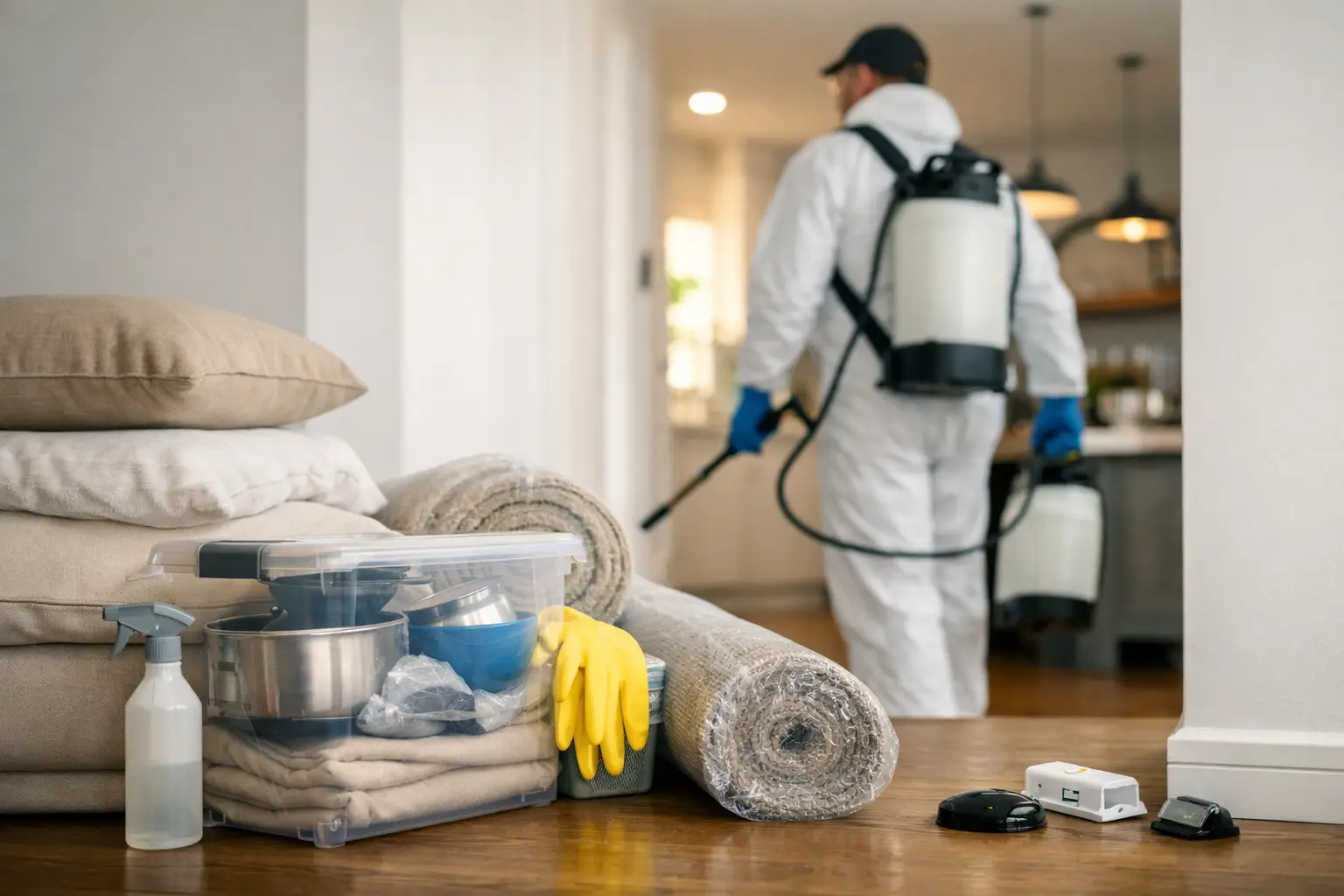
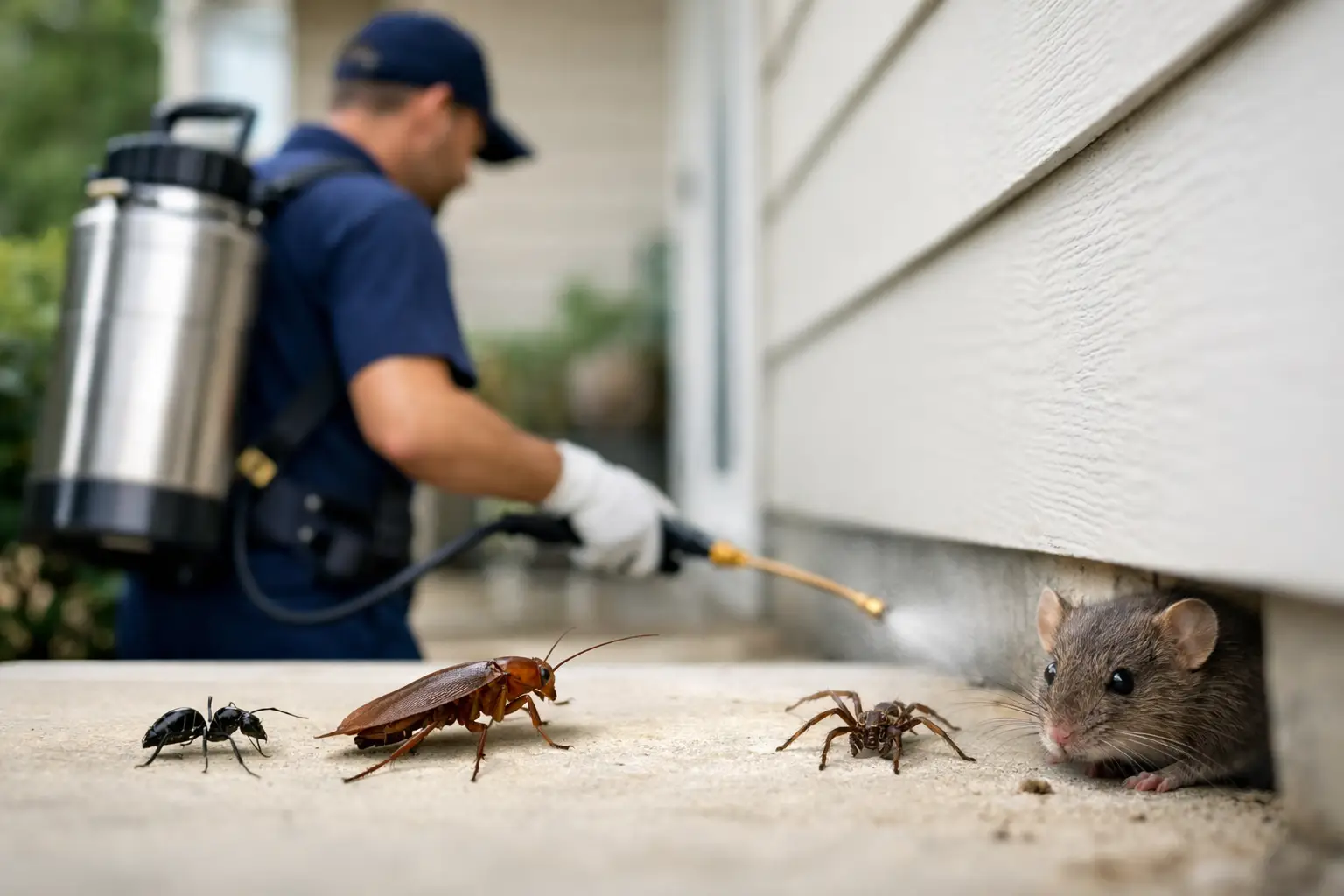
You usually notice a pest problem right when life is already busy – ants in the kitchen before school, spiders in the basement, wasps near the patio, or mice showing up when the weather turns cold. If you are wondering how to control pest at home without turning your house upside down, the good news is that most successful pest control starts with a few practical habits, not panic buying every spray on the shelf.
At home, pest control works best when you think in layers. You want to make your property less inviting, deal with active pests quickly, and stay ahead of the next wave. In Utah, that matters even more because pest pressure changes with the season. Hot, dry stretches can push insects indoors looking for water. Cooler temperatures bring rodents toward warmth. Lawns and garden beds can also play a bigger role than many homeowners realize.
How to control pest at home without making it harder
A common mistake is treating only what you can see. If you spray a trail of ants but leave the food source, moisture issue, or entry point alone, they often come back. The same goes for spiders, silverfish, mice, and even wasps. Good control is not just about killing pests. It is about changing the conditions that let them settle in.
Start inside the house with the basics. Wipe up crumbs, keep pantry goods sealed, and do not let pet food sit out overnight if pests are active. Check under sinks, around refrigerators, and near laundry areas for slow leaks or damp spots. Many pests are easier to prevent when water is not available. Silverfish, ants, and some spider activity often increase where moisture stays unchecked.
Then look at the outside of the home. This is where many infestations begin. Gaps around doors, torn screens, cracks near utility lines, and poorly sealed garage edges give pests easy access. Even a small opening can be enough for insects or mice. Trim back shrubs touching the house, and do not let firewood, cardboard, or clutter sit right against the foundation. Those areas create shelter and make inspections harder.
The biggest reasons pests keep coming back
Most recurring pest issues come down to three things – food, water, and shelter. If one of those is easy to find on your property, pests are much more likely to stay. If two or three are available, activity can grow fast.
Food does not just mean obvious spills. It can mean grease buildup behind a stove, birdseed in the garage, fallen fruit, overflowing trash, or lawn insects that attract larger predators. Water can be a dripping hose bib, overwatered flower beds, clogged gutters, or condensation in a crawl space. Shelter might be dense ground cover, stacked materials, overgrown grass, or cluttered storage.
This is where homeowners sometimes miss the connection between lawn care and pest control. A stressed lawn, weedy areas, or grub activity can create better conditions for insects and the animals that feed on them. Yard maintenance is not just about curb appeal. It can be part of a real pest prevention plan.
Room-by-room problem spots to check
In kitchens, focus on food storage, trash, and tiny water leaks. In bathrooms, check for moisture and gaps around plumbing. In basements and utility rooms, watch for spiders, silverfish, and rodent signs such as droppings or gnaw marks. Garages are a major trouble zone because they tend to collect clutter, pet food, cardboard, and easy hiding places.
Outside, pay attention to eaves, window wells, fence lines, sheds, and the perimeter of the home. Wasps and hornets often build where people do not look often enough. Ants may nest under rocks, edging, or concrete cracks. Voles and gophers leave signs in lawns and landscape beds long before people connect the damage to a pest issue.
When DIY works and when it does not
There is nothing wrong with handling small issues yourself. If you catch a minor ant problem early, seal food properly, remove the attractant, and use the right bait, you may get it under control. The same goes for replacing damaged weather stripping, setting a few traps for early rodent activity, or knocking down a small web problem combined with exterior cleanup.
But DIY has limits. Store products are often used too heavily, in the wrong place, or for the wrong pest. That can waste money and still leave the real problem untouched. Sprays may kill what is visible while nests, eggs, or access points remain active. Rodents are especially tricky because if entry points are not sealed and population pressure stays high outside, trapping alone often turns into a frustrating cycle.
There is also a safety piece. Homes with kids and pets need thoughtful product use, placement, and timing. A professional approach can be worth it when the issue is recurring, widespread, hard to identify, or tied to the yard and structure together.
Utah pest patterns homeowners should expect
Utah homes see a mix of pest issues that change by region and season. Along the Wasatch Front, spiders, ants, mice, wasps, hornets, and silverfish are common concerns. In warmer southern areas, scorpions may also be part of the picture. Mosquitoes can surge around standing water and shaded yards. Ticks are another concern in some outdoor spaces, especially where people and pets spend time in grass or brush.
Dry weather does not mean fewer pests. In fact, dry conditions often push insects inside to look for moisture. Seasonal lawn stress can also affect pest pressure around the home. If grubs damage a lawn, for example, you may end up with secondary issues involving animals digging or feeding there. That is one reason a combined view of pest control and exterior property care makes sense.
How to control pest at home by season
Spring is the time to inspect, seal, and get ahead of nesting insects. Summer usually brings more visible activity outdoors, especially ants, wasps, mosquitoes, and lawn-related pests. Fall is prime time for rodent prevention because mice start looking for warmth and shelter. Winter tends to reveal the pests that already found a way in.
If you wait until pests are fully active, control usually takes longer. Preventive service is often easier and more affordable than repeated spot treatments after the problem grows.
A safer and more effective approach for families
The best home pest control plan is not the strongest-smelling product. It is the one that targets the problem while reducing unnecessary exposure. That means identifying the pest correctly, treating only where needed, and combining products with exclusion, cleanup, and monitoring.
For families, that balanced approach matters. You want your home comfortable and usable, not full of guesswork. If children play in the yard, pets roam the perimeter, or you grow a garden, treatment choices should fit real life. A local provider who understands both pest behavior and property conditions can usually spot issues faster than a one-size-fits-all plan from a big box store.
That local piece matters in Utah neighborhoods where pest patterns, soil conditions, irrigation habits, and seasonal timing can vary from one community to the next. A hands-on company like Weed and Pest Control Specialist looks at the full property, not just the bug you noticed this morning.
What a lasting home pest plan looks like
A lasting plan is simple to understand even if it takes consistency. First, reduce access by sealing gaps and fixing screens. Next, remove attractants such as food residue, standing water, and clutter. Then treat active infestations with the right product or method for that specific pest. After that, keep an eye on pressure points and stay on a routine schedule if your property has recurring issues.
For some homes, that may mean occasional service. For others, especially properties with lawns, gardens, pets, or a history of rodents and insects, ongoing treatment makes more sense. The trade-off is straightforward. Preventive service costs more than doing nothing, but repeated infestations usually cost more in time, frustration, and property damage.
If you are trying to figure out how to control pest at home, think less about one perfect product and more about a smarter system. A cleaner kitchen helps. A sealed garage helps. A healthier yard helps. And when pests keep showing up anyway, getting experienced local help can save you from chasing the same problem month after month.
A pest-free home rarely happens by accident. It comes from paying attention early, fixing the conditions pests love, and using the right treatment before a small nuisance turns into a bigger headache.