You usually do not see a roach at the perfect time. It is more often a late-night kitchen light flip, a quick movement under the sink, or that sinking feeling when one shows up in the bathroom and you know there are probably more nearby. If you are looking for the best home pest control for roaches, the right answer is not one miracle spray. It is a smart mix of cleanup, exclusion, targeted products, and knowing when a small problem is becoming a full infestation.
Roaches are stubborn for a reason. They hide well, breed quickly, and can live off crumbs, grease, cardboard, pet food, and moisture. If conditions are right, they settle in fast. That is why homeowners who get the best results usually focus on removing what roaches need while treating the places they travel and nest.
What the best home pest control for roaches really looks like
The best home pest control for roaches starts with realism. If you have seen one roach, that does not always mean your whole home is overrun. But it does mean you should act quickly. Waiting a few weeks gives roaches more time to spread into cabinets, wall voids, appliance motors, utility penetrations, and storage areas.
For most homes, the most effective plan includes sanitation, moisture control, entry-point sealing, baiting, and insect growth control when needed. This matters because sprays alone often miss the hidden population. Roaches spend much of their time tucked away in dark cracks, behind refrigerators, around dishwashers, under sinks, and in garage clutter. If a treatment only hits the ones you can see, it usually will not solve the bigger problem.
There is also a trade-off to keep in mind. Store-bought foggers and over-spraying can actually make some infestations harder to manage. Roaches may scatter deeper into walls or avoid treated surfaces while the nest stays active. A more focused approach usually works better than trying to blast every room with product.
Start with what is attracting them
Roaches are survival experts, but they still need food, water, and shelter. That gives you leverage.
In kitchens, the problem is often small daily buildup rather than obvious mess. Grease near the stove, crumbs under the toaster, recycling residue, and pet bowls left out overnight can all keep roaches fed. Bathrooms and laundry rooms create another issue – moisture. A slow leak under a vanity or condensation behind a washer can support activity for weeks before anyone notices.
Take a close look at the areas where roaches are most likely to settle. Pull appliances forward if you can do it safely. Check the floor under the fridge, the gap behind the oven, and the sides of the dishwasher. Inspect cabinet corners, pantry shelves, and the area around plumbing under sinks. In garages and utility rooms, cardboard boxes and clutter give roaches plenty of hiding places.
A deep clean will not kill an established infestation by itself, but it makes every other control step more effective. When baits are competing with food spills, grease, and garbage residue, they become less attractive. When leaks stay active, roaches keep coming back to the same protected spots.
The products that tend to work best at home
If you are choosing your own products, bait is usually the most effective first-line treatment for indoor roach problems. Gel baits and bait stations work because roaches feed on them and carry the effect back into hiding areas where other roaches are resting. That gives you a better chance of reaching the population you cannot see.
Placement matters more than quantity. Small placements near harborages are better than one large glob in the wrong spot. Focus on cabinet hinges, under sinks, behind appliances, around plumbing penetrations, and along edges where droppings or activity show up. If the bait dries out, gets contaminated with cleaner, or is put on a surface that is too exposed, results drop off fast.
Dust products can also help, but they need a careful hand. A light application inside voids, behind outlet covers if done safely, and in inaccessible cracks can be useful. Too much dust is a common mistake. Roaches avoid thick visible piles, and loose dust in the wrong areas can create unnecessary exposure concerns.
Residual sprays have a place, especially around entry points, baseboards, and non-food-contact areas, but they should support a broader plan, not replace one. Spraying over bait can make bait less effective. That is one reason DIY roach control often stalls out – homeowners use several products at once without knowing which ones work against each other.
Why sealing and repairs matter more than people think
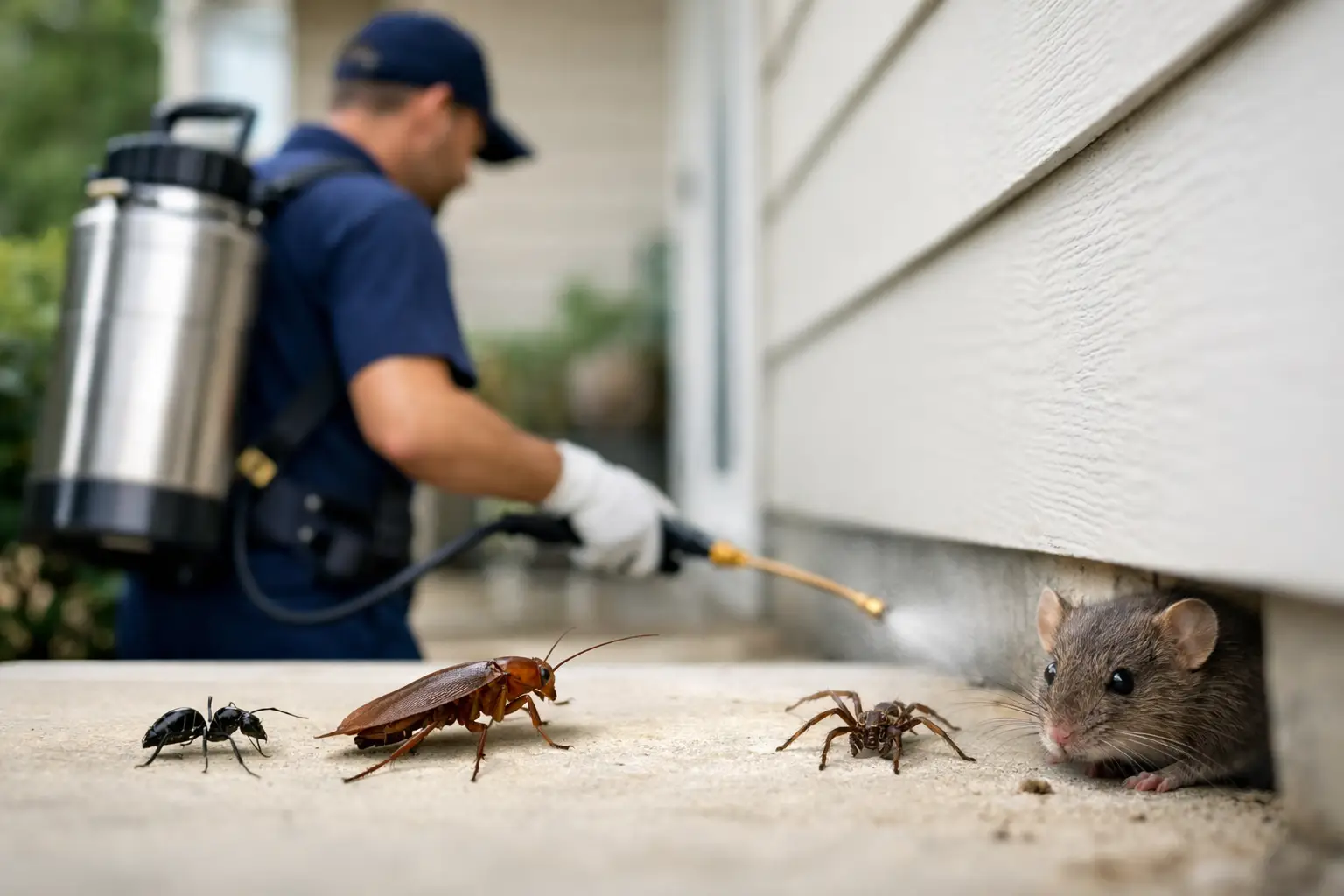
Roaches do not need much room to move through a home. Gaps around plumbing, cracks along baseboards, openings under cabinets, damaged door sweeps, and utility penetrations all give them easy travel routes. In multi-unit housing, this is especially important because roaches can move between shared walls and plumbing lines.
Sealing those gaps will not wipe out an existing infestation overnight, but it helps stop expansion and reinfestation. Caulk small cracks. Add door sweeps where light shows underneath. Repair torn screens. Seal gaps where pipes enter walls. Fix moisture issues as soon as possible, especially around sinks, water heaters, dishwashers, and laundry hookups.
This step often gets skipped because it does not feel like pest control. But in practice, it is one of the reasons some homes stay under control after treatment while others keep seeing activity.
When DIY works and when it probably will not
A light, early problem can often be managed with a good inspection, sanitation, moisture correction, and proper bait placement. If you caught it quickly and you are only seeing occasional activity in one area, that may be enough.
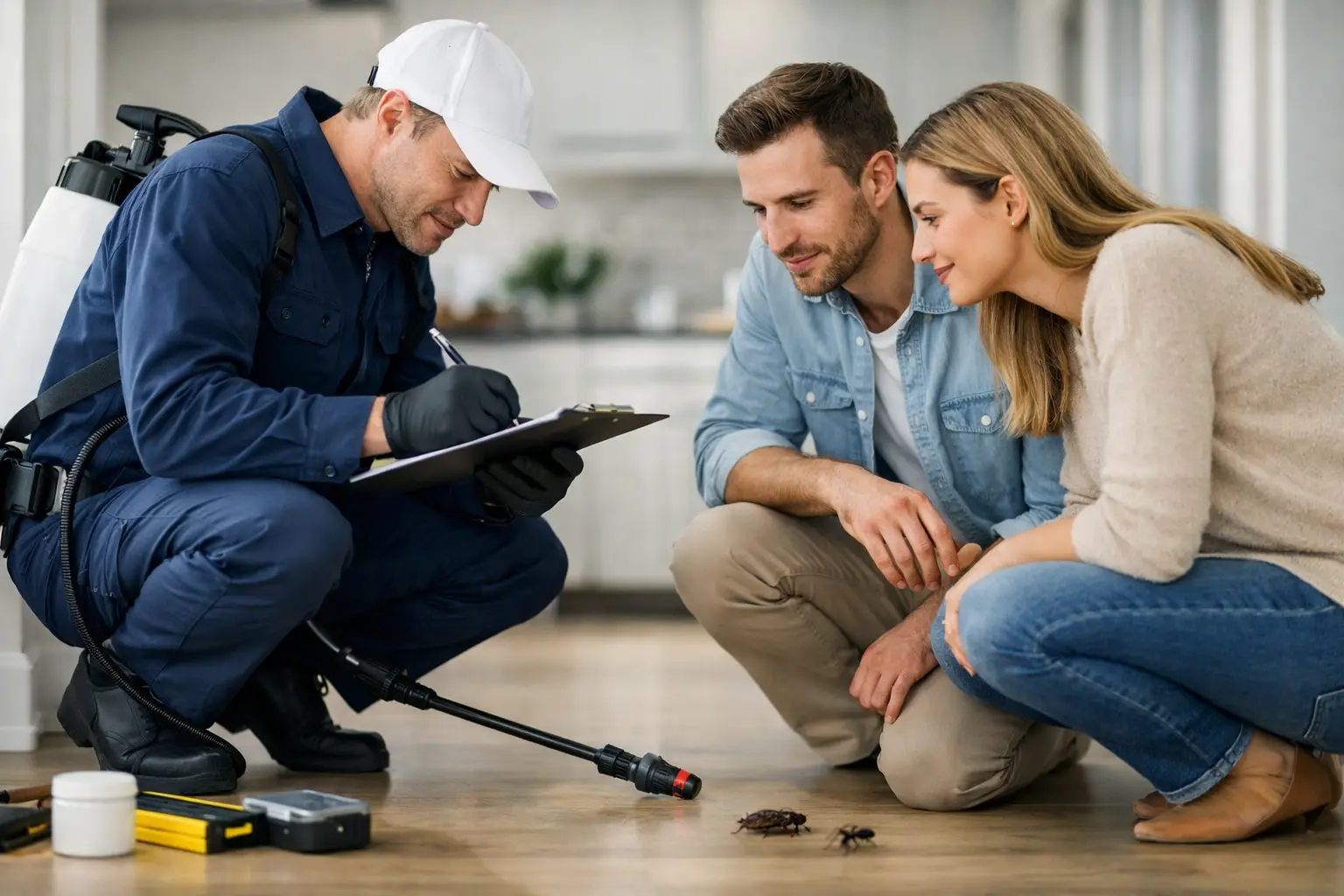
But there are clear signs that home treatment may not be enough. If you are seeing roaches during the day, finding droppings in multiple rooms, noticing a musty odor, or spotting nymphs and egg cases, the infestation is likely more established. The same goes for repeated activity after you have already cleaned, sealed, and used bait correctly.
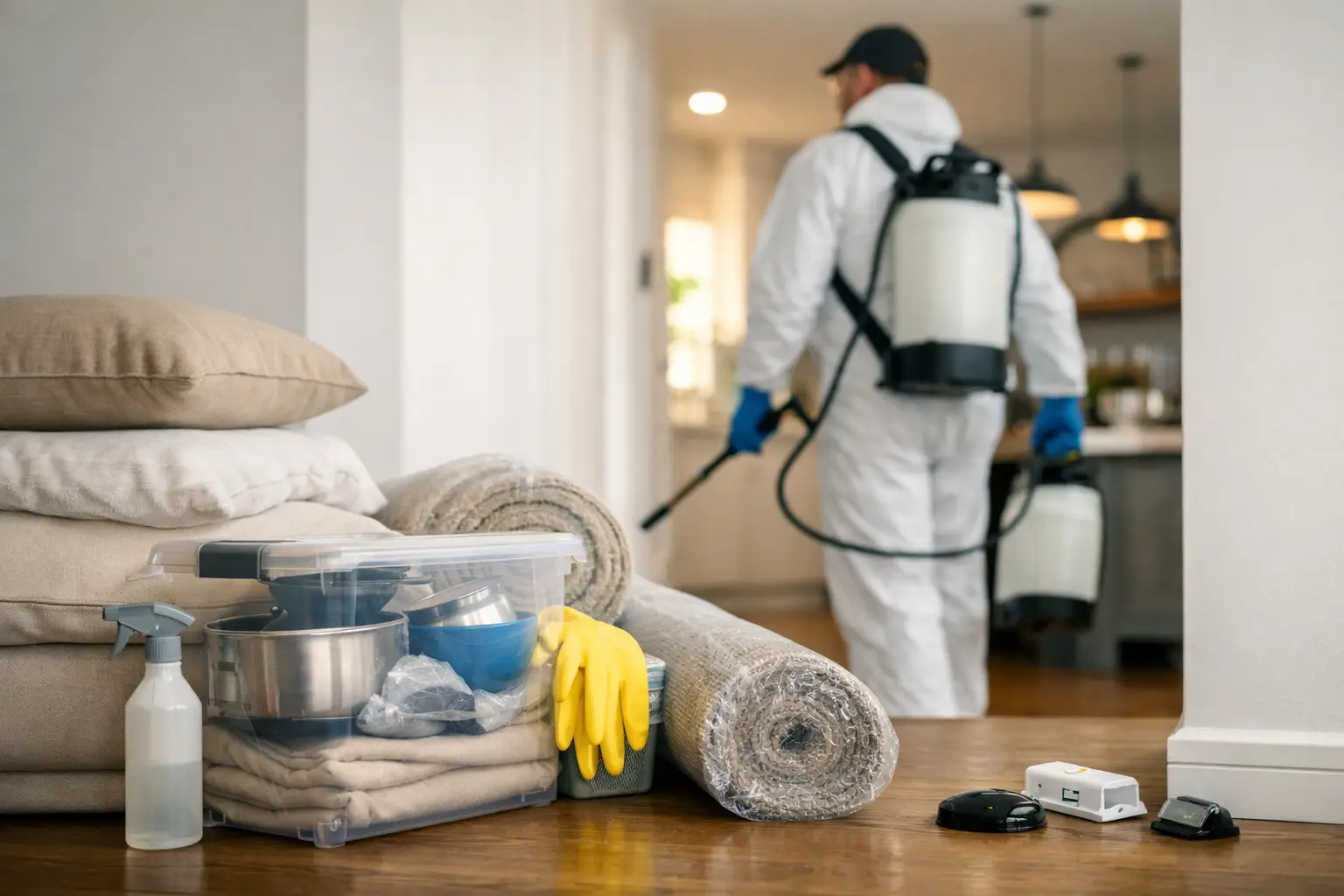
Homes with kids and pets may also need a more careful plan. Not because treatment cannot be done safely, but because product choice and placement matter more. Professional treatment can reduce the guesswork and help make sure materials are used where they will work best without creating unnecessary risk.
Roach control in Utah homes has its own challenges
Utah homeowners deal with a mix of conditions that can support indoor pest issues – dry outdoor weather that pushes pests toward indoor moisture, seasonal temperature swings, garages full of stored items, and older homes with more entry gaps and plumbing penetrations. Property managers also know that one untreated unit, break room, or shared utility area can keep a problem circulating.
That is why local experience matters. A one-size-fits-all approach is not always enough. The treatment plan for a single-family home with a garage and basement may look different from the plan for a restaurant-adjacent commercial space or a multi-unit property with recurring activity around kitchens and bathrooms.
At Weed and Pest Control Specialist, we have seen how much better roach control goes when service is tailored to the property instead of rushed through like a checklist. Sometimes the fix is straightforward. Other times it takes follow-up, better exclusion, and treating the pressure points other companies miss.
What to expect after treatment
Roach control is not always instant. With baiting, you may still see activity for a little while as the product starts working through the population. In some cases, sightings increase briefly because roaches are coming out of hiding more often. That does not automatically mean the treatment failed.
What you want to see over time is a clear drop in sightings, especially in the problem areas where activity was strongest. Sticky monitors can help track this. They are simple, but they tell you whether activity is declining, shifting, or staying active in hidden zones.
Consistency matters here. Keep food sealed, take trash out regularly, reduce moisture, and avoid cleaning directly over bait placements. If the source conditions stay the same, even a good treatment can struggle to hold.
The best result is control that lasts
The best home pest control for roaches is the one that solves the current problem and makes the home less inviting afterward. That means fewer hiding places, fewer food sources, less moisture, and a treatment plan built around where roaches actually live, not just where they get spotted.
If you are dealing with roaches, quick action usually saves time, money, and frustration. The longer they settle in, the harder they are to remove. A careful plan now can spare you from a much bigger problem a month from now, and that is the kind of peace of mind every home deserves.