One tenant spots ants in the kitchen. Another hears scratching in the wall. A third notices spider webs collecting around the balcony light. That is usually how apartment pest issues start – not as one big building-wide problem, but as several small warning signs that can spread fast if nobody addresses them. So, how does apartment pest control work? In most cases, it is a shared effort between the property manager, the resident, and a pest control company that knows how to treat connected living spaces without creating bigger problems next door.
Apartment pest control is different from treating a standalone house. In an apartment community, pests do not respect unit numbers. Ants move through wall gaps, roaches follow plumbing lines, mice travel between storage areas and utility spaces, and spiders settle anywhere food sources are available. That means treatment has to focus on the affected unit, the nearby units, and the common conditions that allowed pests in to begin with.
How does apartment pest control work in real life?
It usually starts with a report. A tenant contacts the leasing office or property manager, explains what they are seeing, and the issue gets scheduled for inspection or service. In some properties, routine pest control is already part of the maintenance plan. In others, treatment happens only when a problem is reported. The exact process depends on the lease, the building setup, and the type of pest involved.
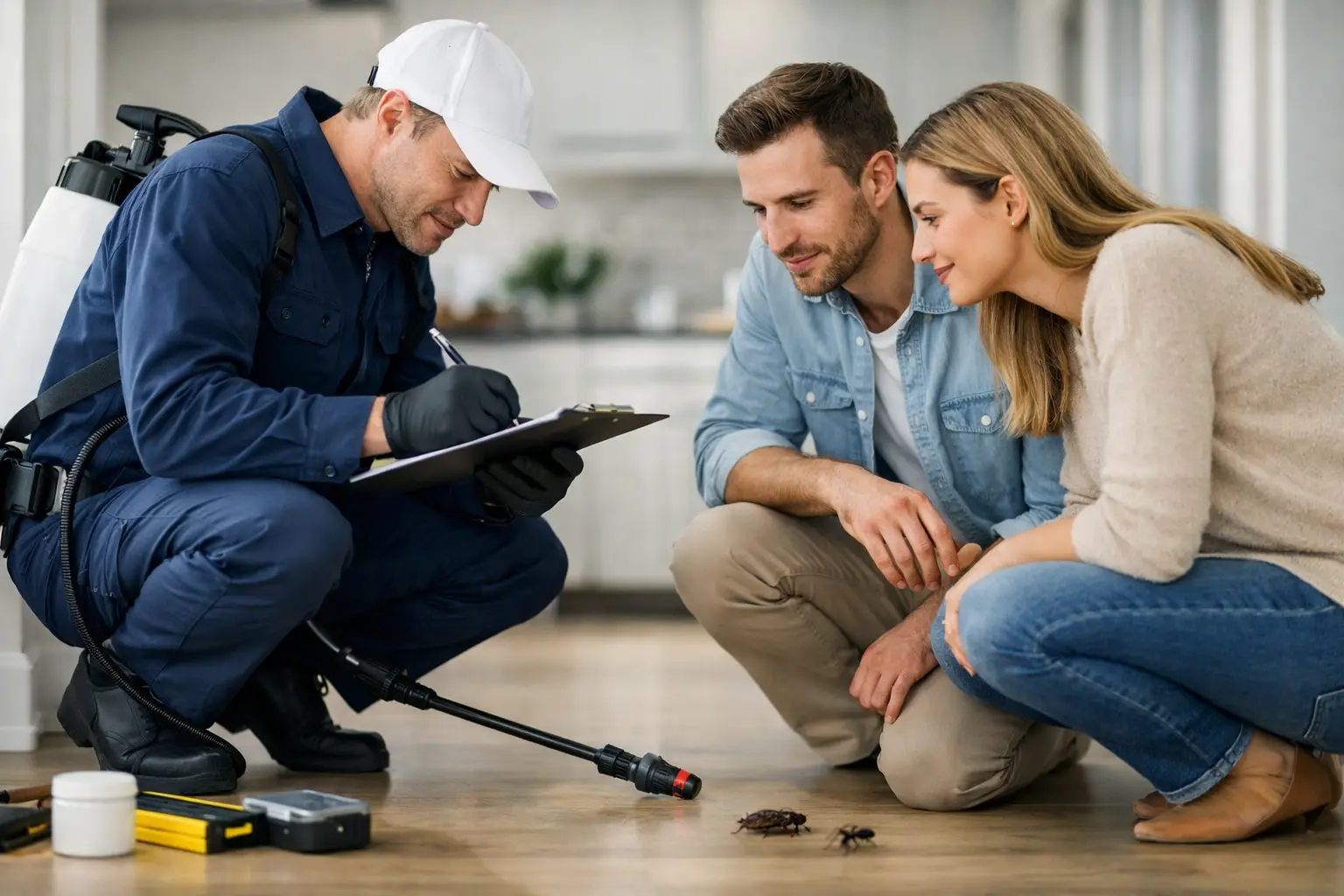
Once a technician arrives, the first step is usually inspection, not spraying everything in sight. A good pest control visit looks for where pests are active, how they are getting in, what is attracting them, and whether the issue is isolated or likely spreading. In apartments, that could mean checking baseboards, kitchen cabinets, utility penetrations, windows, entry doors, balconies, trash areas, and sometimes adjoining walls.
After that, the treatment plan is built around the pest itself. Ant control is handled differently than spider control. Mice require a different approach than wasps. If there is a heavy infestation, one visit may not be enough. Follow-up service is often the difference between temporary relief and a problem that comes right back.
Who is responsible for apartment pest control?
This is one of the biggest points of confusion. In many apartment communities, the landlord or property manager is responsible for arranging pest control, especially when the issue affects multiple units or comes from structural conditions like cracks, shared walls, rooflines, dumpster areas, or plumbing access points. Tenants are often responsible for reporting issues quickly and following prep instructions before and after treatment.
That said, responsibility can vary. Some leases state that management covers routine pest service but charges back for issues caused by housekeeping or delayed reporting. Others include basic pest prevention but not specialty treatments. Bed bugs, for example, are often handled under separate rules because they spread differently and need a more intensive response.
The practical answer is this: tenants should not guess. They should document what they are seeing, notify management right away, and ask what the treatment process will be. Waiting rarely helps. Most pest problems are cheaper and easier to solve early.
What happens during an apartment pest control visit?
A professional visit should feel organized, not rushed. The technician will usually ask what the resident has seen, where the activity is happening, and when it started. That information matters because pest patterns tell a story. Ants in the bathroom point to different conditions than ants around pet food in the kitchen. Mice in a top-floor unit may suggest attic or roof access rather than a ground-level entry point.
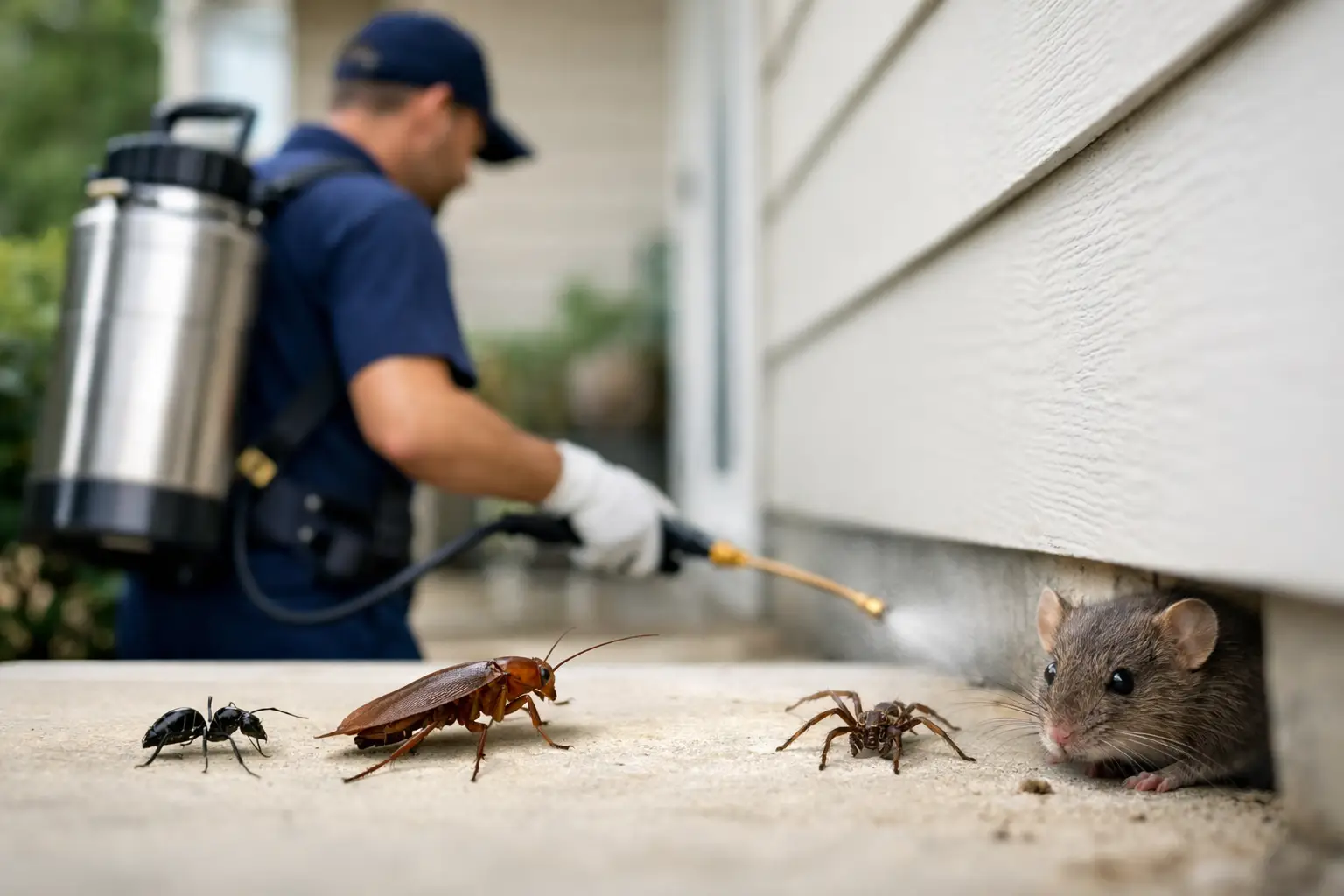
Treatment may include targeted products in cracks and crevices, bait placements, dust applications in wall voids, rodent stations in approved areas, web removal, exterior perimeter treatment, or recommendations for sanitation and exclusion. In apartment work, precision matters. The goal is not to overapply product. It is to place the right treatment where pests live and travel.
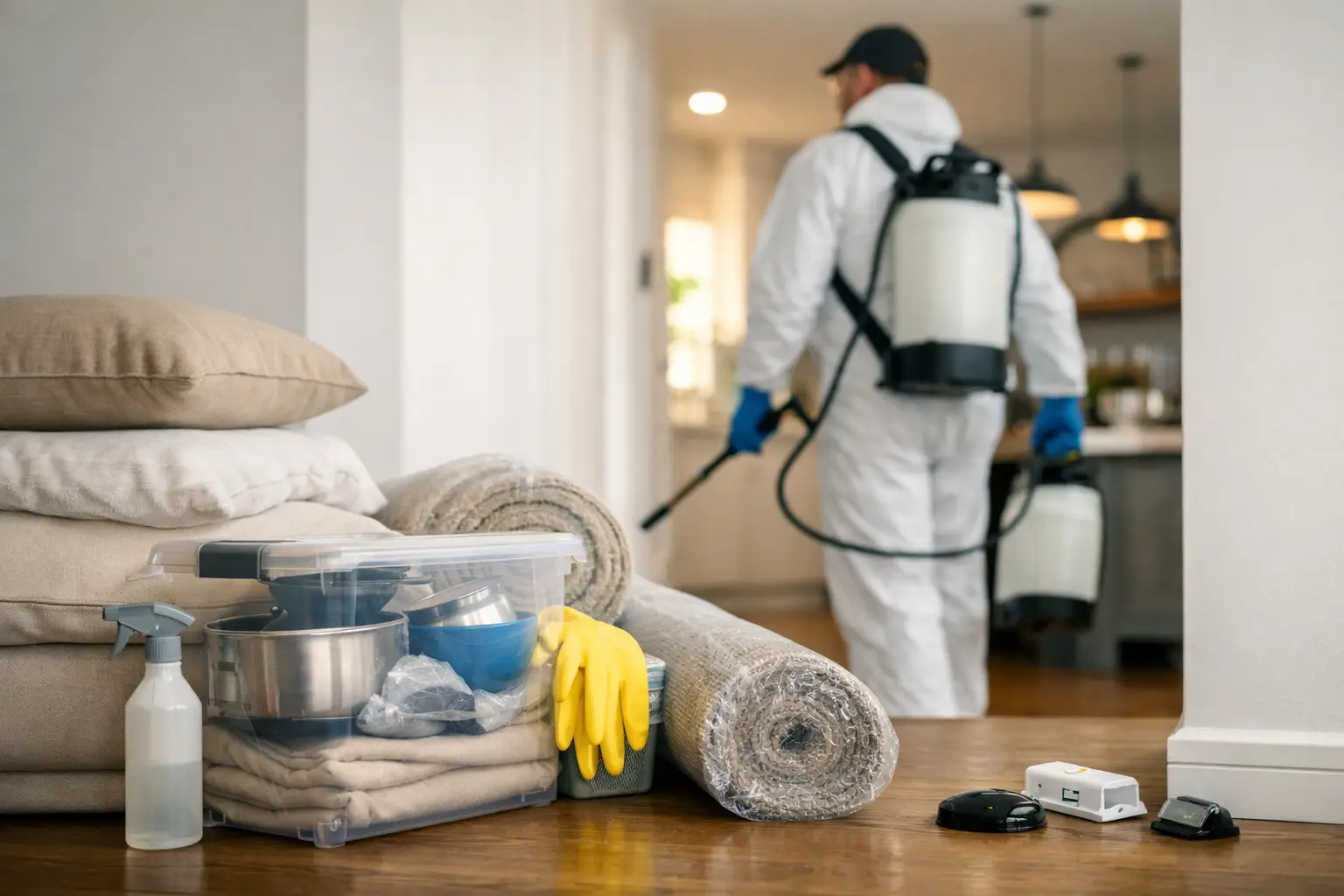
Residents may also receive prep instructions. Depending on the pest, that could mean clearing under sinks, emptying a cabinet, securing food, washing bedding, or limiting access to certain rooms. If a resident skips prep steps, treatment may be less effective. That is not about blame – it is just how pest control works.
Why apartment pest problems can come back
This is where many people get frustrated. They see dead bugs after treatment, then a week later they notice more activity and assume the service failed. Sometimes that is true, but often it is part of the process.
In apartment buildings, pests may still be active in nearby units, wall voids, crawl spaces, laundry rooms, stairwells, or exterior landscaping. A single treatment inside one unit helps, but it may not solve the larger source. Roaches and ants are especially known for this. Mice can be similar if the entry points around the building stay open.
That is why ongoing apartment pest control tends to work better than one-time service. Regular inspections, repeat treatments when needed, and building-wide prevention make a noticeable difference. Property managers who stay ahead of pest issues usually spend less time dealing with major infestations later.
Common apartment pests in Utah
In Utah, apartment pest control often involves a mix of seasonal and year-round issues. Spiders are a common concern, especially around exterior lighting, garages, and entryways. Ants show up quickly when moisture or food is available. Wasps and hornets can become a problem around balconies, eaves, and shared outdoor spaces.
Mice are a serious issue in cooler months when they start looking for warmth and shelter. Silverfish may show up in damp areas or older buildings. Some communities also deal with voles, gophers, or other exterior pests that affect landscaping and create conditions closer to the structure. In southern Utah, scorpions may also be part of the conversation, which calls for experienced treatment and careful prevention.
That local piece matters. Pest control in apartments is not only about the bug or rodent itself. It is also about understanding the region, the season, the building style, and the surrounding landscape.
How property managers keep apartment pest control working
The best apartment pest control programs are proactive. That means regular service in common areas, routine exterior treatments, and quick response when tenants report problems. It also means paying attention to the non-chemical side of prevention.
Trash management matters. So does irrigation control, landscape maintenance, sealing gaps, fixing door sweeps, repairing screens, and handling moisture issues. Pest pressure often starts outside, then moves inward. If the grounds are not maintained, pests get comfortable close to the building.
This is one reason an integrated service approach can be so helpful. When one company understands both pest activity and exterior property conditions, there is a better chance of catching the root cause. Overwatered lawns, dense foundation plantings, standing water, and neglected weed growth can all contribute to pest activity around apartments and multi-unit properties.
What tenants can do between treatments
Residents do not need to solve the infestation themselves, but a few habits can support the treatment plan. Reporting activity early is the big one. Beyond that, keeping food sealed, taking out trash regularly, reducing clutter, and avoiding over-the-counter sprays can help more than people realize.
Store-bought sprays sometimes push pests deeper into walls or into neighboring units. They can also interfere with professional baits and targeted treatments. If a tenant is already under a professional service plan, it is usually better to ask what to do rather than layering random products on top of the treatment.
It also helps to be specific when reporting. Saying “I saw bugs” is a start, but saying “small black ants near the dishwasher every morning for three days” gives the technician something useful to work with.
Choosing the right apartment pest control provider
Not every pest company is built for apartment work. Multi-unit properties require communication, scheduling flexibility, clear documentation, and treatment plans that make sense for shared living spaces. Property managers need a provider who shows up, explains what is happening, and does not disappear after one visit.
For tenants and managers alike, good service should feel responsive and practical. You want someone who understands safety concerns around kids and pets, knows how to treat without making a mess, and is honest about whether the issue needs one visit or a longer plan. In our area, that local experience matters. A neighborhood-focused company like Weed and Pest Control Specialist understands the pest patterns Utah residents actually deal with and can tailor service instead of handing out the same generic treatment everywhere.
Apartment pest control works best when everyone treats it like a building issue, not just a single-unit annoyance. Catch it early, handle it thoroughly, and stay consistent. A quieter wall, a cleaner kitchen, and a pest-free place to come home to usually start with one simple step – reporting the problem before it gets comfortable.