The trouble usually starts with something small – your dog scratching more than usual, ants showing up along the patio, or mosquitoes making the backyard miserable right when the weather gets nice. If you are searching for pet safe yard pest treatments, you are probably not looking for a chemistry lesson. You want a yard that feels usable again without wondering whether the treatment itself creates a new problem for your pets.
That is a fair concern. Pets do not use the yard the way people do. Dogs roll in the grass, sniff along fence lines, lick their paws, and nap in shady spots where pests also like to hide. Cats cut through planter beds and squeeze into corners most homeowners barely notice. A treatment can only be called pet-conscious if it takes that real behavior into account.
What pet safe yard pest treatments really mean
A lot of homeowners hear the phrase and assume it means weak products or all-natural products. Neither assumption is always true. Pet safe yard pest treatments are really about using the right materials, in the right places, at the right rates, with clear instructions about when pets can reenter treated areas.
That matters because safety is not just about what is sprayed. It is also about how a yard is managed as a whole. Overapplication, poor timing, treating the wrong zones, or leaving attractive pest harborage in place can all create avoidable risk. The better approach is targeted treatment combined with practical prevention.
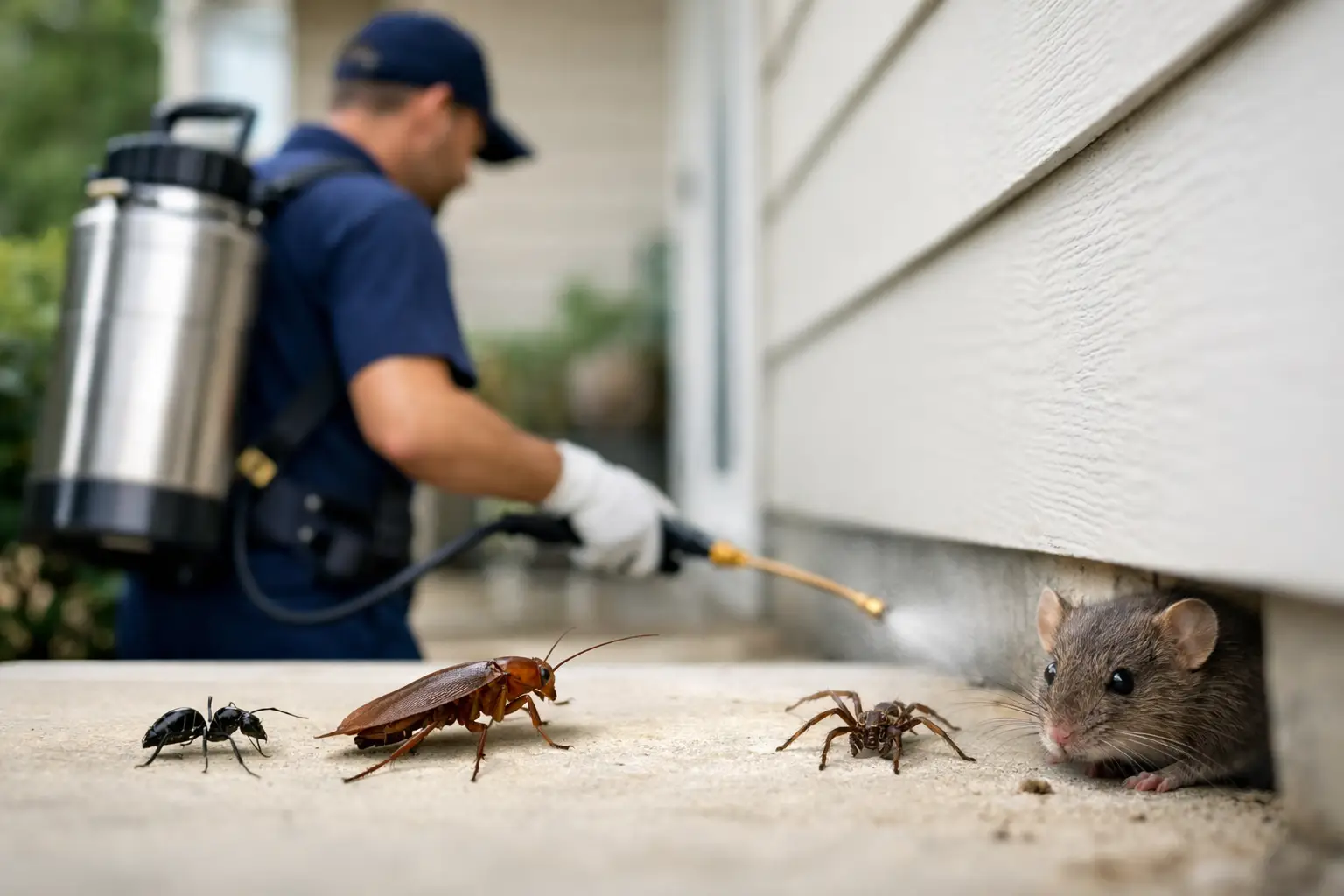
In Utah, that often means dealing with ants, spiders, wasps, fleas, ticks, mosquitoes, grubs, and occasional rodents without over-treating the entire property. Dry conditions, irrigated lawns, decorative rock, retaining walls, and shaded landscaping all affect where pests settle in. A pet-friendly plan should reflect those conditions, not rely on a one-size-fits-all spray routine.
The best approach is targeted, not heavy-handed
When homeowners worry about treatment safety, they sometimes put off service too long. Unfortunately, the pest problem usually gets worse while they wait. Fleas multiply. Wasp activity builds. Mosquitoes take over the yard after irrigation or standing water issues. Then the fix becomes bigger than it needed to be.
The smarter move is early, selective control. Treat active pest zones, entry points, nesting areas, lawn trouble spots, and high-pressure perimeter areas instead of broadcasting products everywhere just because you can. That tends to be better for pets, better for the lawn, and better for long-term control.
For example, ant control may focus on mounds, cracks, and structural perimeters rather than every inch of grass. Mosquito control may center on resting areas, dense shrubs, and moisture-prone spots. Flea treatments often require attention to shaded pet paths, bedding areas, and protected corners where organic debris builds up. Every pest behaves differently, so the treatment plan should too.
Common yard pests that affect pets in Utah
Some pests are simply annoying. Others can affect your pet’s comfort and health pretty quickly.
Fleas are the obvious one, especially where pets spend time in shady grass or under decks and shrubs. Even if your pet is on prevention medication, a heavy yard population can still create an uncomfortable cycle.
Ticks are less common in some Utah neighborhoods than in wetter regions, but they still show up in unmanaged grass, brushy edges, and travel corridors used by wildlife. If your property backs up to open land or has dense vegetation, they deserve attention.
Mosquitoes are not just a nuisance for backyard evenings. They also make the yard less usable for pets and people alike. Overwatered turf, drainage issues, clogged areas, and dense plant cover all help them stick around.
Ants can bite, build mounds in active lawn areas, and move closer to patios and foundations during dry spells. Spiders are another frequent concern, especially around rock landscaping, eaves, sheds, and storage zones where insects provide a food source.
Then there are wasps and hornets. These are a serious issue for curious dogs that investigate buzzing activity around eaves, fencing, play equipment, and landscape features.
How to make yard treatments safer for dogs and cats
If you have pets, treatment day should not feel like guesswork. A good service plan includes a few simple precautions.
First, pets should stay out of treated areas until products have dried or until the technician gives a specific reentry window. That is one of the most practical steps you can take, and it is easy to follow when expectations are clear.
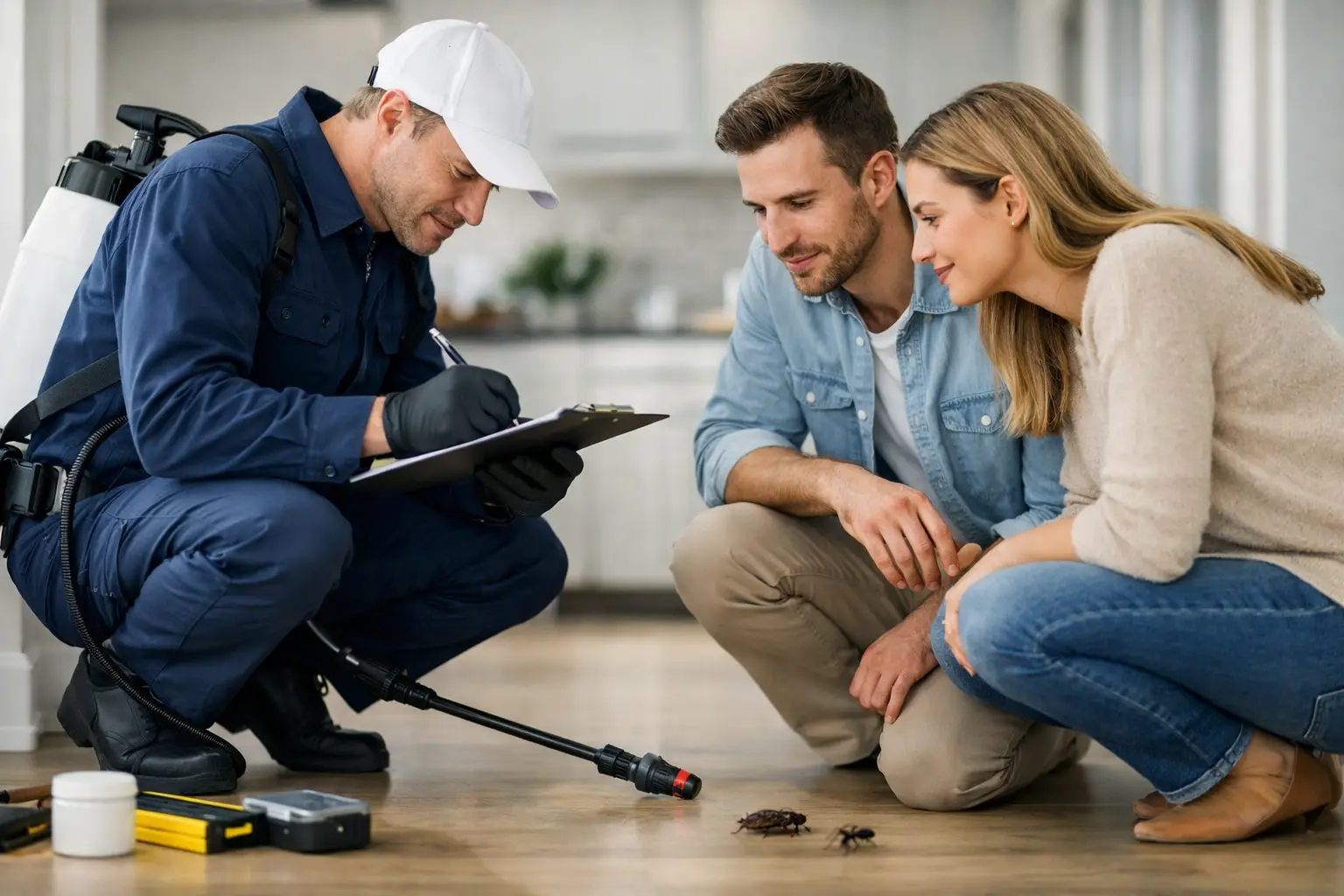
Second, tell your pest professional where your pets actually spend time. That includes dog runs, worn paths along fences, favorite digging areas, sunny nap spots, and anywhere water bowls, toys, or pet structures are kept. Those details help shape smarter treatment decisions.
Third, keep the yard picked up. Pet waste, leaf buildup, overgrown edges, and clutter create hiding places for insects and rodents. Cleaner yards usually need less aggressive intervention over time.
Fourth, do not assume store-bought products are safer just because they are easy to buy. Misapplied granules, overused foggers, and unlabeled mixes can create more risk than a properly handled professional treatment. The label, placement, and application method matter every bit as much as the ingredient.
Pet safe yard pest treatments and lawn care go together
This is where many homeowners get stuck. They treat for pests, but the yard conditions bringing those pests in never really change.
A stressed lawn can attract trouble. Thin turf, overwatering, standing moisture, and grub activity all create weak spots that make outdoor areas less healthy and more pest-prone. The same is true for weed overgrowth, unmanaged tree and shrub areas, and cluttered landscape borders.
That is why integrated property care makes so much sense. When lawn health and pest prevention are handled together, you can reduce the conditions pests love instead of chasing outbreaks over and over. A greener, thicker lawn is not just about curb appeal. It can support a cleaner, more usable yard for pets and kids.
In practical terms, that may mean adjusting irrigation, improving turf health, treating grubs before lawn damage spreads, reducing heavy weed growth, and managing insect pressure around the perimeter at the same time. You are not just reacting to pests. You are making the yard less inviting to them.
When professional help is the better option
There is a place for basic homeowner prevention. Keeping grass trimmed, reducing standing water, cleaning up debris, and watching for nests early all help. But some situations are better handled by a trained local service.
If your dog keeps coming in with flea problems, if mosquitoes return every evening, if wasps are nesting near doors or play areas, or if ants and spiders keep moving from the yard toward the house, it is usually time for a more consistent treatment plan.
The biggest advantage of professional service is not just access to better products. It is judgment. A good technician knows how to identify pest pressure, choose the least excessive treatment that still works, and adapt service to your property layout, season, and pet habits.
That local piece matters in Utah. Soil conditions, heat, irrigation patterns, and regional pest cycles all affect what works and when. A provider that understands neighborhood conditions can usually solve problems faster and with fewer wasted treatments.
At Weed and Pest Control Specialist, that practical, local approach is exactly the point. Homeowners and property managers do not need canned service. They need responsive help, clear answers, and treatments that respect the fact that families actually live, play, and let their pets roam in these yards.
What to ask before any yard treatment
If you are hiring a company for pet safe yard pest treatments, ask direct questions. What pests are being targeted? Where will the treatment be applied? How long should pets stay off the area? Are there any special precautions around bowls, toys, gardens, or pet enclosures? Will the plan change based on season or pest activity?
A trustworthy company should be comfortable answering all of that in plain English. You should not have to chase basic safety information or wonder whether your concerns are being brushed aside.
The right treatment plan should feel balanced. It should address the pest problem, protect the usability of the yard, and give you clear next steps without a lot of vague language or scare tactics.
A yard does not have to be perfect to be safe and comfortable. It just has to be managed with some common sense, local knowledge, and a real understanding of how pets use the space every day. When that happens, pest control stops feeling like a trade-off and starts feeling like what it should be – one less thing for your family to worry about.