A good Utah lawn care guide starts with one simple truth: Utah is hard on grass. Between clay-heavy soil, dry summers, surprise cold snaps, and water restrictions in many communities, you cannot treat a Utah lawn like a lawn in the Midwest and expect great results. If your yard has bare spots, stubborn weeds, thin turf, or damage from grubs and heat stress, the problem usually is not effort. It is that Utah lawns need a more local game plan.
Why lawn care in Utah is different
Utah gives homeowners a little bit of everything, and your lawn feels all of it. In the Wasatch Front, you may deal with compacted soil, hot dry stretches, and irrigation issues all in the same month. In southern Utah, intense heat and water management become even bigger factors. Add kids, pets, foot traffic, and the occasional pest problem, and a lawn can go downhill fast.
That is why a real Utah lawn care guide has to focus on timing as much as treatment. The same product can help at one point in the season and disappoint at another. Fertilizing too early, watering too often, mowing too short, or ignoring grubs for a few weeks can all leave you with more work and more expense later.
Start with the soil, not the sprinkler
A lot of lawn problems look like watering problems when they actually begin below the surface. Utah soil often leans alkaline and compacted, especially in newer developments where construction traffic has packed the ground tight. When roots struggle to spread, grass has a harder time handling heat, drought, weeds, and insects.
If your lawn has standing water, hard dry patches, or thinning areas that never seem to bounce back, soil compaction may be part of the issue. Aeration helps relieve that pressure and gives water, oxygen, and nutrients a better path to the root zone. For many Utah properties, this is one of the most useful services you can schedule because it improves the performance of everything else you do.
Fertilizer matters too, but it works best when the soil can actually take it in. A greener lawn is not just about feeding the grass more. It is about helping the roots use what they are getting.
The right grass habits for Utah homeowners
Healthy lawns in Utah usually come down to a few basics done consistently. None of them are flashy, but they make a visible difference.
Mowing height is a big one. Cutting grass too short is common, especially when people want to mow less often. The trade-off is that shorter grass dries out faster and gives weeds more room to move in. Keeping your lawn a bit taller helps shade the soil, protect roots, and hold moisture longer.
Watering also needs a smarter approach than just running sprinklers every day. Deep, less frequent watering generally encourages stronger roots than light daily watering. That said, it depends on the season, your soil type, sun exposure, and local watering rules. A shaded lawn in spring will not need the same schedule as a full-sun lawn in July.
Sharp mower blades help more than many people realize. Dull blades tear grass instead of cutting it cleanly, which stresses the lawn and can leave a brown cast across the yard.
A seasonal Utah lawn care guide that actually fits the climate
Spring
Spring is when most homeowners notice winter damage, compacted areas, and early weed pressure. This is the time to clean up debris, inspect irrigation, and get ahead of broadleaf weeds before they spread. Early fertilization can help wake the lawn up, but too much too fast can create weak top growth instead of steady root development.
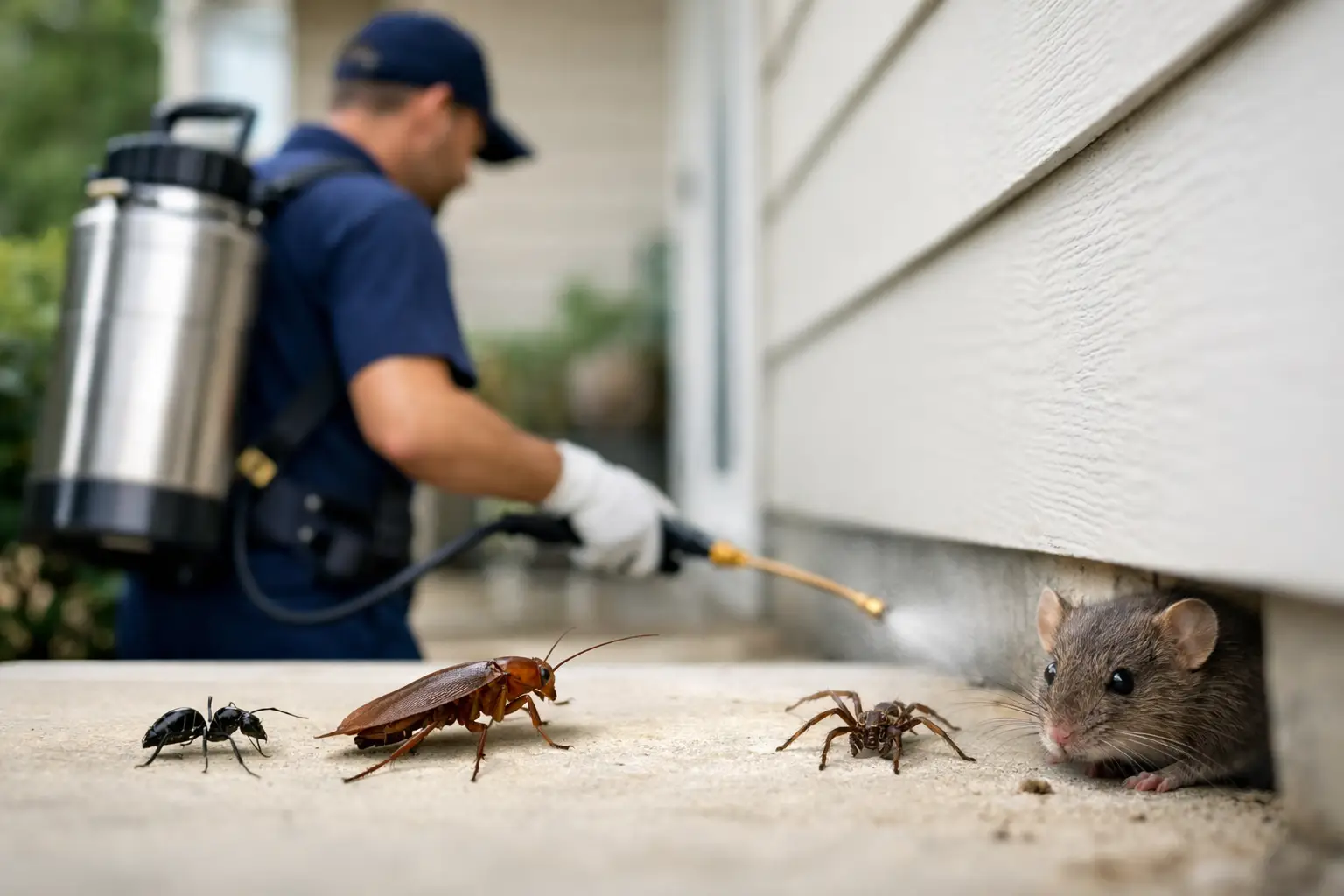
Spring is also a smart time to watch for lawn pests beginning to emerge around the yard. When insects start building up outside, they do not always stay in the grass. Many eventually move toward patios, foundations, garden beds, and homes.
Summer
Summer is where Utah lawns get tested. High temperatures, dry wind, and heavy use can push even decent-looking turf into stress. If your lawn starts turning patchy or dull green, resist the urge to overwater immediately. Sometimes the issue is irrigation coverage, sometimes soil compaction, and sometimes insects feeding below the surface.
This is also peak season for weeds that thrive in heat and weak turf. Crabgrass and other opportunistic weeds tend to fill in where the lawn has thinned. A thick lawn is always your best defense, but selective weed control often becomes part of the plan.
Grub activity can become a real problem in summer and early fall. If sections of your lawn lift easily like loose carpet or attract birds digging for food, that is worth a closer look. Grubs damage roots, and once the roots are compromised, heat stress hits even harder.
Fall
Fall is one of the best times to strengthen a Utah lawn. Temperatures are kinder to grass, root growth improves, and recovery tends to happen faster. Aeration, overseeding in thinning areas, and the right fertilizer application can set the lawn up much better for winter and spring green-up.
If weeds are still active, fall treatments can be very effective because plants are moving nutrients down into their root systems. That means control products often work more efficiently this time of year than people expect.
Winter
Winter is quieter, but it still matters. This is a good time to service equipment, review problem spots from the past year, and make a plan for early spring. If your lawn struggled with weeds, grubs, or irrigation issues, waiting until damage shows up again usually means you are already behind.
Weed control in Utah takes consistency
Weeds in Utah are persistent because our climate gives them plenty of openings. Thin turf, dry patches, mowing stress, and poor soil all create room for weeds to establish. The mistake many homeowners make is treating weeds once and expecting that to solve the whole season.
A better approach is to think in layers. Pre-emergent control helps prevent certain weeds before they take hold. Post-emergent treatments target weeds that are already visible. Good mowing and fertilization practices help the lawn compete naturally. If one of those pieces is missing, weed pressure tends to return.
This is also where local knowledge matters. The timing that works in one state or even one part of Utah may not be quite right in another. Elevation, temperature swings, and irrigation habits all affect results.
Lawn pests are part of lawn care, not a separate issue
One thing we see all the time in Utah is homeowners separating lawn health from pest control when the two are closely connected. A stressed lawn attracts trouble. Excess moisture can support insects. Thick thatch and weak roots create hiding places and feeding opportunities. And some pests that start in the yard do not stop there.
Grubs are the obvious lawn example, but they are not the only concern. Surface insects, ants around sprinkler boxes, and mosquitoes breeding in poorly drained areas can all make outdoor spaces less enjoyable. If you are already trying to keep your yard healthy for kids, pets, and family time, it makes sense to treat the property as one system instead of a list of unrelated problems.
That is one reason many homeowners prefer working with a local company that handles both lawn and pest issues together. It saves time, but more importantly, it leads to better decisions about what is happening across the whole property.
When DIY works and when it usually falls short
There is nothing wrong with handling basic mowing, watering checks, and seasonal cleanup yourself. For some households, DIY lawn care works fine when the lawn is already in decent shape and the owner has time to stay on schedule.
Where DIY often gets frustrating is in diagnosis and timing. Thin spots can come from drought stress, compacted soil, poor coverage, disease pressure, or insects, and they do not all need the same fix. Weed products are easy to misuse. Fertilizer can help or hurt depending on when it is applied. And once grubs or other lawn pests are active, delays can turn a manageable problem into a costly one.
That is where professional support earns its keep. A good service plan is not just about applying products. It is about seeing patterns early, adjusting for the season, and giving your lawn a better shot at staying healthy without constant guesswork.
A practical Utah lawn care guide for busy properties
For most Utah homes and commercial properties, the best results come from a steady plan: seasonal fertilization, weed control, aeration when needed, grub monitoring, and irrigation awareness. Not every yard needs the exact same schedule, and that is the point. The better the plan fits your property, the better the lawn tends to hold up through heat, use, and seasonal pest pressure.
At Weed and Pest Control Specialist, we believe lawn care should feel straightforward. You should know what your yard needs, why it needs it, and what kind of results to expect. A healthy lawn in Utah is possible, but it usually comes from consistency, local knowledge, and catching problems before they spread.
If your grass has been struggling, start with the basics and pay attention to timing. A greener lawn is rarely about doing everything. It is about doing the right things at the right time for your part of Utah.