You typed weed control near me into Google. We get it. You looked at your yard, you sighed, and you decided you’re done messing around. Maybe it’s dandelions everywhere on the front lawn. Maybe crabgrass has basically taken over the spot where your grass used to be. Either way you’re past the point of grabbing another bag of weed killer from the hardware store and hoping for the best.
This is a guide for homeowners in Salt Lake County, Tooele County, Davis County, and out toward St. George, the areas we actually work in. We’ll get into why lawns here keep growing weeds, why DIY products often don’t cut it, and what to actually look for if you’re calling around for help. By the end you’ll know what a real treatment plan looks like, so nobody can talk you into something you don’t need.
Why Your Lawn Keeps Growing Weeds
Weeds aren’t random. They show up because something in your lawn is working in their favor and against your grass. Here’s what we run into most, working yards from West Jordan to Tooele.
Compacted Soil
Kids running the same path every day. A dog that has a favorite spot. Foot traffic near the gate. All of it packs the soil down over time, and once that happens water and air can’t really get to grass roots anymore. Dandelions and plantain don’t care, they’re fine with compacted soil, actually they kind of like it. Your grass isn’t fine with it though, and it thins out, and that’s the opening weeds need.
Mowing Too Short
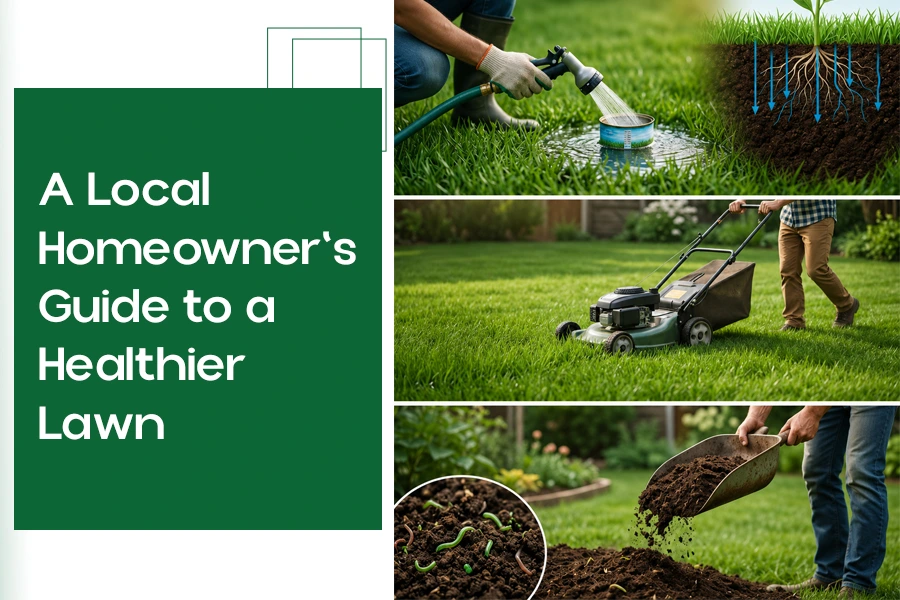
We get why people cut it low. Looks neat for a few days. Problem is, short grass can’t shade the soil underneath it, so more sunlight hits the ground, and that’s exactly the trigger weed seeds are waiting for. Kentucky bluegrass and tall fescue, which is most of what’s growing in northern Utah lawns, do better around three inches.
Watering the Wrong Way
Quick daily watering keeps the top inch of soil wet and not much else. Crabgrass loves that, shallow roots, shallow water, perfect match. Watering deep and less often pushes your grass roots further down into the soil, which is the opposite of what crabgrass wants.
Bare or Thin Patches
Empty soil doesn’t stay empty for long. Summer heat, pet damage, old shade from a tree that’s gone now, whatever caused the thin spot, weed seeds will find it before your grass gets around to filling it back in on its own.

DIY Weed Control: What Works and What Doesn’t
A lot of people try the hardware store route first, and honestly that’s a reasonable place to start. It just runs out of road pretty fast.
If you’ve got a handful of dandelions scattered in an otherwise decent lawn, pulling them or spot-spraying usually does the job fine.
Pre-emergent products are a different story, because timing is basically the whole game. University of Minnesota Extension found that crabgrass starts germinating once soil hits around 55°F in spring, soil temperature, not the air, not the date on your phone. Put the product down too early and it breaks down before it’s needed. Too late and the crabgrass already came up, so now it’s not even doing anything. Most people miss this because they’re going off the calendar instead of actually checking the dirt.
Post-emergent products go after weeds that are already up, but here’s the thing, a product built for broadleaf weeds usually won’t touch a grassy weed like crabgrass. Grab the wrong one off the shelf and you might be starting from zero again next month.
The real issue with DIY isn’t that people don’t try hard enough. It’s precision. Some of the better products aren’t even sold to the public, and figuring out the right timing and concentration on your own takes way more trial and error than most homeowners signed up for on a random Saturday.
A Seasonal Look at Weed Control Along the Wasatch Front
This is where most people actually go wrong, not the product they pick, the timing of it.
Early Spring (March to April)
Pre-emergent season. Soil temperature is the trigger here, not the wall calendar, and once it holds around 55°F crabgrass seeds wake up, that’s straight from UMN Extension’s research on the subject. Get a pre-emergent down before that happens and it blocks germination before it even starts. Miss it, and that’s it, you’re waiting a year.
Spring’s also when dandelions and other broadleaf perennials come back out of winter dormancy. Decent window for early post-emergent work too, if you’ve already got some up.
Late Spring to Early Summer (May to June)
Grass is growing hard now and so is clover, plantain, all the usual broadleaf stuff. A lot of our seasonal plans call for a second post-emergent pass right here, cleaning up whatever got past the spring treatment. Good time to check for bare spots too, before the real heat shows up.
Summer (July to August)
Hot, dry, rough on lawns along the Wasatch Front. That stress is an opening for weeds that handle heat better than your grass does, spurge especially. Treatment in peak summer has to be careful, because some products stress grass that’s already struggling, especially if applied at the wrong time of day.
Fall (September to October)
People skip over fall, which is kind of a mistake honestly. Cool-season grass comes back strong as it cools off, so it’s actually the best window to thicken thin spots before winter hits. A fall pre-emergent also gets ahead of winter annual weeds and next year’s crabgrass before that whole cycle even starts again.
Winter (November to February)
Not much active treatment happening. This is more of a planning stretch. If one weed gave you trouble all year, winter’s when we sit down and actually build next year’s schedule around what really happened, not just run the same plan again because that’s what we did last time.
What Affects the Cost of Weed Control
Pricing depends on the provider, but a few things move the number up or down pretty consistently.
Lawn size, obviously. A small yard in West Jordan costs less than a half-acre property out toward Tooele, more product, more time, that’s just math.
How bad things already are matters too. A few dandelions is one thing. Multiple established weed species across the whole yard is another, and that usually needs more aggressive, repeated treatment to actually get under control.
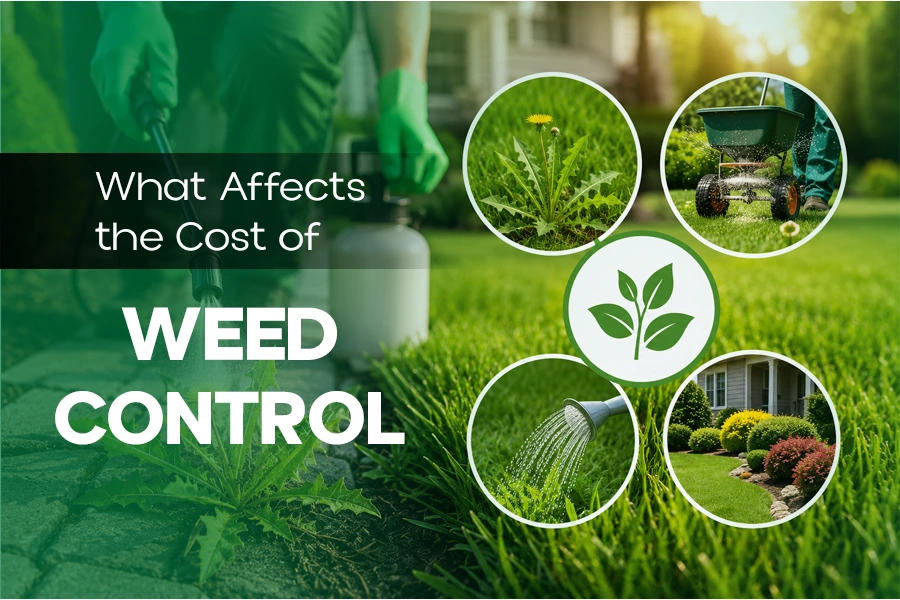
Number of visits. Some people want one treatment to handle a problem right now. Others go with a full seasonal plan, often three to five visits across the year. Per-visit cost is usually lower with the seasonal route than paying for one-off calls each time.
Bundling with fertilization tends to save money too, since the two go together anyway. Most companies price it cheaper combined than buying each separately.
Property type plays in as well, commercial sites, HOAs, and bigger lots sometimes need different equipment or scheduling than a regular single-family yard, and that shows up in the price.
If you’re comparing quotes, just ask what’s actually included. A cheap one-visit quote isn’t necessarily a better deal than something slightly higher that covers the whole season plus adjustments along the way.
Mistakes That Make Weed Problems Worse
A few habits quietly undo your own weed control without people realizing it.
Mowing right after treatment is a big one. Some products need time to get absorbed through the leaf, and mowing too soon cuts that process short.
Watering right after a post-emergent application causes the same kind of problem, a lot of these need dry time to actually work into the weed, and watering early can just wash it off before it does anything.
Ignoring soil health is probably the biggest mistake though. Treating weeds without ever asking why the lawn got thin in the first place is a short-term fix at best. This year’s weeds get replaced by next year’s if nothing underneath actually changes.
And mixing random products from different brands without any real plan can backfire, sometimes on the lawn itself, sometimes just on whether either product even works the way it’s supposed to.
What to Look for in Local Weed Control Services
Scrolling through search results for “weed control near me,” here’s what actually separates a company worth calling from one that’s just another listing.
Local Knowledge of Your Region
Utah isn’t one climate. Salt Lake County, Tooele County, Davis County, St. George, different soil, different elevation, different weed pressure depending on time of year. A company that’s actually worked lawns in your specific area knows which weeds show up when, and how local conditions shift the timing compared to some generic national schedule.
An Integrated Pest Management Approach
Good lawn care isn’t about reaching for the strongest chemical every time. The EPA’s Integrated Pest Management guidelines basically describe looking at the whole picture, soil, mowing, watering, targeted treatment, and picking the right tool for the actual problem instead of defaulting to whatever’s strongest on the shelf.
Transparency About Products Used
You should be able to ask what’s going on your lawn and get a real answer, especially with kids or pets running around the yard. A company worth trusting tells you what they’re using and why, not just “don’t worry, it kills weeds.”
Licensing and Applicator Training
Utah requires anyone applying restricted-use pesticides commercially to be licensed through the Utah Department of Agriculture and Food. Ask a provider directly if their technicians carry that license. A company doing things right won’t hesitate to answer.
Clear Communication and Scheduling
This usually isn’t a one-visit fix. It works as a plan across the season. Good companies tell you upfront how many visits you’ll need, what each one’s targeting, and roughly when you should start seeing a difference.
Real, Specific Reviews
A pile of five-star reviews that all say “great service!” doesn’t tell you much. Reviews that mention the technician actually explaining what they did, showing up on time, and the lawn improving over a few weeks, that’s the stuff worth paying attention to.

What a Professional Weed Control Visit Actually Includes
If you’ve never hired anyone for this before, here’s roughly how it goes.
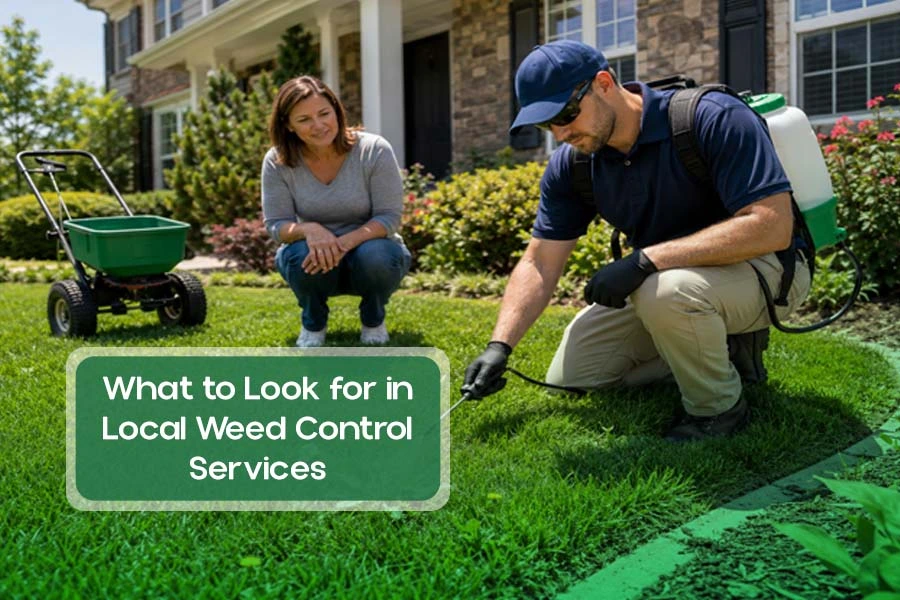
First, a technician walks the property and figures out what weeds you’re actually dealing with, plus checks the soil and grass condition while they’re at it. Then comes the treatment plan, a specific product and schedule based on the season and where that particular weed is in its life cycle. After that, application, usually with some guidance on when it’s safe for kids and pets back on the grass.
Most lawns need follow-up visits too, especially for things like crabgrass or clover that don’t all germinate at once. And a good provider keeps adjusting, if something keeps coming back despite treatment, that’s a sign the plan needs to change, not just repeat.
That whole structure is really the advanta ge over doing it yourself. It’s not just stronger products. It’s the right product, at the right time, done consistently, season after season.
Common Weeds We See in Utah Lawns
Knowing what’s actually growing helps explain why it keeps coming back.
Dandelions have deep taproots, so pulling them rarely gets the whole thing, leave even a small piece and it grows right back. Crabgrass is a warm-season annual that loves thin, compacted, or overwatered lawns and spreads fast once it’s established. Clover usually means low nitrogen in the soil, and it’ll out-compete grass in those nutrient-poor patches. Plantain shows up in compacted, high-traffic areas, near gates, along walkways, that kind of spot. Spurge stays low and easy to miss until suddenly it’s covering a big patch, especially in cracks and thin lawn edges.
If you’re seeing two or three of these at once, that’s usually less about any one weed and more about overall lawn health needing attention.
Lawn Care Habits That Support Weed Control
A few things at home make any treatment plan last longer.
Mow at the right height, taller grass shades the soil and crowds seedlings out before they get a foothold. Water deep, not often, which pushes roots down and makes the lawn tougher overall. Fertilize on a real schedule, since a well-fed lawn fills bare patches faster, leaving less room for weeds. And deal with bare spots quickly, the longer soil sits exposed, the more likely something unwanted moves in first.
None of this replaces actual treatment once a weed problem is already established. But it helps whatever plan you’ve got hold up a lot longer.
When to Call a Professional vs. Handling It Yourself
Quick way to think about it. A few scattered weeds in an otherwise healthy lawn? Spot-treat it yourself, that’s fine. Weeds covering large areas, coming back every season no matter what, or something you genuinely can’t identify, that’s when it’s worth calling someone local who can actually diagnose it and treat it properly.
There’s a safety side too. Some of the more effective products require a license just to purchase, and that’s part of why professional results tend to beat store-bought options. A licensed technician knows the right concentration and application method, and how to work safely around kids, pets, and whatever else is growing nearby. In Utah that licensing isn’t optional, it’s a state requirement.
Frequently Asked Questions
How often does a lawn need weed control treatment?
Most lawns do best with multiple treatments a year, usually timed around spring green-up, summer growth, and a fall pre-emergent. The exact number depends on your weed pressure and grass type.
Is professional weed control safe for kids and pets?
Licensed providers follow label guidelines and should tell you exactly how long to wait before kids or pets go back on treated areas. If you’re not sure, just ask directly.
Will weed control kill my grass too?
Done right, targeted treatments affect weeds without harming healthy grass. That’s a big reason correct identification and application actually matter.
Can I combine weed control with lawn fertilization?
Yes, and a lot of people do exactly that. A well-fed lawn resists weeds better on its own, so pairing the two is common and it works.
What’s the difference between pre-emergent and post-emergent treatment?
Pre-emergent stops seeds before they germinate by forming a barrier in the soil. Post-emergent goes after weeds that are already up and visible. Most full-season plans use both at different points.
Do new lawns need a different plan than established ones?
Generally yes. A freshly seeded or sodded lawn often needs gentler treatment, since some products can interfere with new grass getting established. Older, established lawns can usually handle a more standard schedule.
Why do weeds keep coming back even after treatment?
Could be an underlying soil issue, timing that was slightly off, or a weed with a seed bank in the soil that just takes more than one season to fully clear.
How long before I see results after a weed treatment?
Usually one to two weeks. Most treatments work by disrupting how the weed grows rather than killing it instantly on contact.
Finding the Right Fit Near You
Searching weed control near me is the easy part. Figuring out who’s actually going to treat your lawn properly, in your part of Utah, with a plan that holds up through the whole season instead of fading out by July, that’s the part that takes a little more digging.
Look for a company that explains its process without being asked twice, tells you what’s going on your lawn and why, carries the right Utah licensing, and actually knows your county. A lawn that’s struggled with weeds for a season took time getting that way. It’ll take a properly timed plan to bring it back, not a one-time fix.